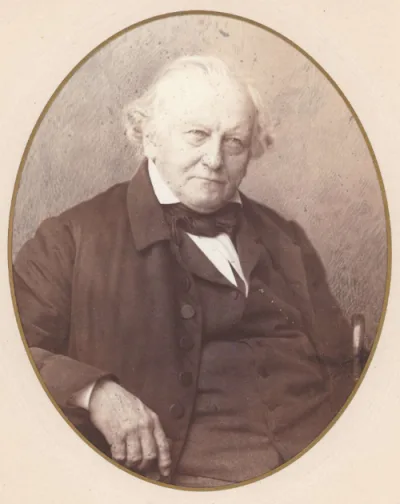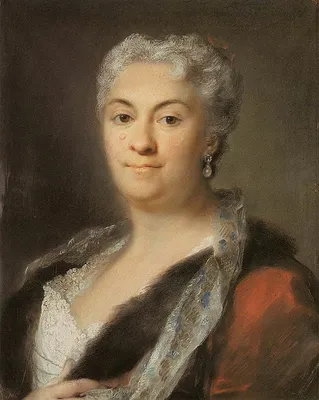
Nancy Frederick Sussan
The provided text discusses the historical underrepresentation and evolving role of women in art history, particularly in the US.
The academic field of art history has historically seen women facing significant professional hurdles, especially in the United States. Despite an increase in female PhDs in art history during the 1960s, their representation in university faculty positions remained disproportionately low, with women occupying fewer higher-ranking roles and often facing more severe discrimination than in fields like languages. This disparity extended to museum employment, where women with degrees were often relegated to secretarial roles while men were advanced into trainee programs. The early 1970s saw the foundation of the Women's Caucus for Art (WCA) in response to this systemic discrimination, aiming to provide leadership and networking opportunities for women in the field. The WCA later became independent from the College Art Association (CAA), which was described as male-dominated at the time. Feminist art theory has also played a role, with scholars advocating for a re-evaluation of traditional art historical canons and methods, challenging the male-centric perspective that often dominated the discipline.
Early Challenges and Discrimination
In the mid-20th century, women art historians in the United States encountered significant professional obstacles. Although the percentage of women earning PhDs in art history rose considerably between 1960 and 1969, their presence in academic art departments did not reflect this increase. By the early 1970s, women held a minority of instructor and professorial positions, with their representation decreasing at higher academic ranks. Statistical studies indicated that women in art history faced greater professional discrimination compared to women in fields like languages. This discrimination was also evident in museum hiring practices, where women were often assigned administrative roles while men were fast-tracked into professional development positions.
The Rise of Feminist Art History and Advocacy
The challenges faced by women in art history contributed to the development of feminist scholarship and advocacy groups. The establishment of the Women's Caucus for Art (WCA) in 1972, which later became independent in 1974, was a direct response to the discrimination prevalent in academic art institutions and museums. The WCA aimed to empower women by offering leadership opportunities, professional development, and expanded networking and exhibition possibilities. Concurrently, feminist art theory emerged, encouraging scholars to critically examine the traditional art historical canon, which was often perceived as male-dominated. Feminist scholars called for a shift in focus from traditional stylistic analysis to broader interpretations of meaning and a greater emphasis on the contributions of women artists.
Representation and Evolving Perspectives
The landscape of art history and museum collections has seen ongoing discussions about diversity and representation. Studies in the late 20th and early 21st centuries have highlighted the persistent underrepresentation of women and minority artists in major museum collections. However, a growing awareness has led many institutions to pledge improvements in diversity. This shift has facilitated the entry of a new generation of women art historians, including women of color, into prominent academic and curatorial roles. Despite these advancements, debates within feminist art theory have also addressed the evolving perception of feminism's relevance to the discipline, with some scholars noting a tendency by the 1980s for some women art historians to view feminism as less central to their work.
Key Ideas
- Underrepresentation of women in academic art history and museum professions.
- Discrimination faced by women in higher education and cultural institutions.
- The role of feminist art theory in challenging traditional art historical perspectives.
- The importance of advocacy groups like the Women's Caucus for Art (WCA).
- The ongoing effort to increase diversity and representation in art collections and scholarship.
Books by Nancy Frederick Sussan
2 free public domain books · Read online or download