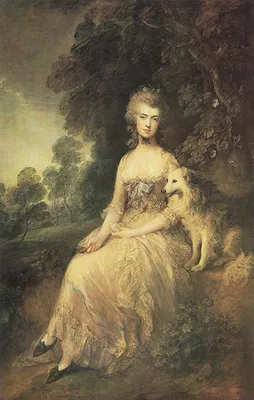
Mrs Robinson
Mary Robinson was a celebrated English actress, poet, and novelist known as 'the English Sappho' and 'Perdita'.
Mary Robinson (née Darby) was a prominent English actress, poet, dramatist, and novelist active in the late 18th century. Born in Bristol in 1757, she displayed an early aptitude for poetry and began working at 14, first as a teacher and then as an actress. Her life was marked by public attention, including a notorious affair with the Prince of Wales (later George IV), which earned her the nickname 'Perdita' after her role in Shakespeare's *The Winter's Tale*. Robinson's literary output included Gothic novels such as *Vancenza* and *Hubert de Sevrac*, collections of poetry, plays, and feminist writings. Despite facing personal hardships, including financial difficulties and a mysterious illness that left her partially paralyzed, she continued to write and was known for her advocacy of women's rights. She died in poverty in 1800, leaving behind a legacy as a multifaceted literary and theatrical figure, often referred to as 'the English Sappho'.
Early Life and Literary Beginnings
Born Mary Darby in Bristol, England, in 1757, Robinson showed an early interest in poetry from the age of seven. Her father's desertion and subsequent financial struggles for her mother led Mary to work as a teacher by age 14. Her talent was recognized by the esteemed actor David Garrick, who tutored her in acting. Following an early marriage to Thomas Robinson, who proved irresponsible and left her to manage their finances, Mary began her literary career while her husband was imprisoned for debt. She published her first book of poems in 1775 and later received patronage from Georgiana Cavendish, Duchess of Devonshire, for her second volume of poetry, 'Captivity'.
Theatrical Career and Public Persona
Robinson transitioned to a successful acting career, debuting at Drury Lane in 1776. She gained particular acclaim for her performances in 'breeches parts' and her portrayal of Perdita in an adaptation of Shakespeare's *The Winter's Tale* in 1779. This role led to her famous nickname, 'Perdita,' and attracted the attention of the Prince of Wales, who became her first public lover. Her celebrity status influenced fashion, with the 'Perdita' gown becoming a trend. Despite societal pressures and personal struggles, Robinson's public life was often intertwined with her artistic endeavors.
Later Life, Illness, and Advocacy
After her affair with the Prince of Wales ended, Robinson supported herself through an annuity and her writing. She later had a long relationship with Banastre Tarleton. In 1783, she suffered a severe illness, possibly rheumatic fever following a miscarriage, which left her partially paralyzed. Despite this, she continued to be a prolific writer, producing novels, plays, and feminist works, earning the moniker 'the English Sappho' for her poetry. Like Mary Wollstonecraft, she championed women's rights and supported the French Revolution. She died in 1800, leaving her memoirs and unfinished works to her daughter, Maria Elizabeth Robinson, who also became a published novelist.
Key Ideas
- Advocacy for women's rights
- Support for the French Revolution
- Exploration of Gothic themes in novels
Books by Mrs Robinson
2 free public domain books · Read online or download