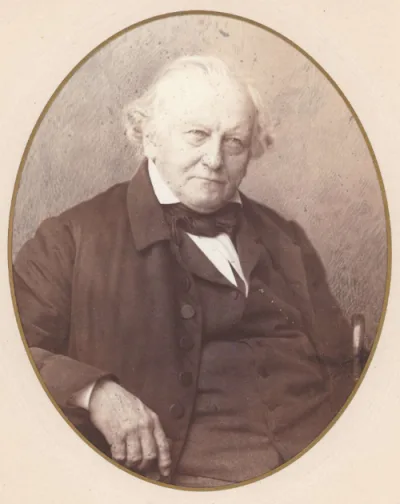
Minkal Vaishnav
Vegetarianism, the practice of abstaining from meat, has diverse motivations and a long history across cultures, influencing philosophical and religious thought.
Vegetarianism involves abstaining from consuming meat and sometimes other animal by-products, driven by ethical concerns for animal life, religious beliefs, animal rights advocacy, as well as health, environmental, political, and personal preferences. While some locations are exclusively vegetarian, often due to religious or cultural mandates, many others are vegetarian-friendly. The practice has various forms, including lacto-ovo, lacto-, and ovo-vegetarianism, with veganism being the strictest exclusion of all animal products. Nutritional considerations, such as vitamin B12 deficiency, can arise, and hidden animal ingredients in processed foods may challenge strict adherents.
The term 'vegetarian' emerged in the early 19th century, popularized by the Vegetarian Society founded in 1847. Historically, the concept of abstaining from meat has ancient roots, appearing in 9th century BCE India with Jainism's emphasis on ahimsa (non-violence). Ancient Greek philosophers like Pythagoras are associated with vegetarian ideals, though historical accounts vary. In Japan, Emperor Tenmu implemented seasonal meat prohibitions in the 7th century, and Buddhist cuisine in China during the Song dynasty led to the development of meat substitutes. Following the decline of vegetarianism in Europe after the Roman Empire's Christianization, it resurfaced during the Renaissance and gained momentum in the 19th and 20th centuries.
Historical and Philosophical Roots
The practice of vegetarianism, or abstaining from meat, has deep historical and philosophical roots that span millennia and diverse cultures. Ancient India, particularly through Jainism and its principle of ahimsa (non-violence), championed a strict form of vegetarianism as early as the 8th to 6th centuries BCE. Religious groups and philosophers promoted this ethos, with texts like the Ācārāṅga Sūtra and the Tirukkuṟaḷ advocating for the avoidance of harm to living beings. Similarly, in ancient Greece, vegetarianism was linked to medical purposes, ritual purification, and philosophical movements like the Orphics. While figures like Pythagoras are associated with vegetarianism, historical accounts suggest a complex adherence. The term 'Pythagorean' was used for vegetarians in English before the word 'vegetarian' became common, highlighting the influence of these early philosophical traditions.
Evolution of the Term and Modern Movements
The term 'vegetarian' itself gained traction in the early 19th century, evolving from the concept of a 'vegetable regimen diet.' Its popularization is closely tied to the establishment of the Vegetarian Society in Manchester in 1847. Historically, 'vegetable' could encompass a broader range of edible plants. The modern understanding combines 'vegetable' with the suffix '-arian,' signifying adherence or belief. This linguistic development coincided with a resurgence of vegetarianism in Europe following the Renaissance, moving beyond isolated monastic practices. The 19th and 20th centuries saw the formalization of vegetarian societies and international unions, driven by growing nutritional, ethical, and increasingly, environmental and economic considerations.
Global Variations and Vegetarian Communities
Vegetarianism manifests in various forms, including lacto-ovo, lacto-, and ovo-vegetarian diets, with veganism representing the most comprehensive exclusion of animal products. While many parts of the world are 'vegetarian-friendly,' a select number of towns and cities have adopted exclusive vegetarian policies, often influenced by religious or cultural traditions. Rishikesh, India, for instance, banned the sale of meat, fish, and eggs in 1956. Other communities, such as Amirim in Israel and various intentional communities in the United States and France, were founded on vegetarian or vegan principles. India stands out with the highest percentage of vegetarian residents globally, reflecting the enduring cultural and religious significance of the practice.
Key Ideas
- Vegetarianism: Abstaining from meat and sometimes other animal by-products.
- Motivations for Vegetarianism: Ethical, religious, health, political, environmental, aesthetic, economic, taste, and personal preferences.
- Types of Vegetarianism: Lacto-vegetarian (includes dairy), ovo-vegetarian (includes eggs), lacto-ovo vegetarian (includes dairy and eggs), vegan (excludes all animal products).
- Ahimsa: The Indian principle of non-violence towards all living beings, closely linked to vegetarianism.
- Vegetarian Locations: Cities, towns, or communities that are exclusively or heavily vegetarian due to cultural or religious influences.
Books by Minkal Vaishnav
10 free public domain books · Read online or download