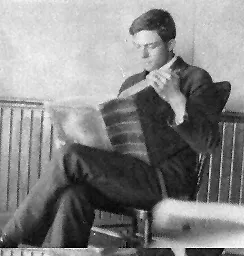
Milton H Erickson
Milton H. Erickson was a psychiatrist and psychologist known for his innovative work in medical hypnosis and family therapy.
Milton Hyland Erickson (1901-1980) was an American psychiatrist and psychologist who significantly advanced the fields of medical hypnosis and family therapy. He established the American Society for Clinical Hypnosis and is recognized for his unique perspective on the unconscious mind as a source of creativity and solutions. Erickson's work profoundly influenced various therapeutic approaches, including brief therapy, strategic family therapy, and neuro-linguistic programming.
Erickson's life was marked by early challenges, including difficulties with speech, reading (which he identified as dyslexia), color blindness, and tone deafness. He viewed these perceived disabilities as catalysts that sharpened his focus on subtle aspects of communication and behavior, a perspective that informed his therapeutic approach. His early fascination with hypnosis, sparked by a traveling entertainer, led him to pursue it as a scientific and medical tool. A bout of polio at age 17 further shaped his understanding of self-healing through hypnosis, as he reportedly used it to regain control over his body's functions.
Pioneering Hypnosis and the Unconscious Mind
Milton H. Erickson developed a distinct view of the unconscious mind, contrasting with the prevailing Freudian perspective. He posited that the unconscious is a repository of a lifetime of learning, much of which operates automatically and serves as a resource for problem-solving. Erickson saw hypnosis as a crucial method for communicating with and accessing this vast internal reservoir. He emphasized the autonomy of the unconscious, believing that it could reorganize psychological complexities based on individual experiences. Unlike Freud's view, which often highlighted aggressive aspects, Erickson's concept of the unconscious was characterized by its creative and solution-generating potential. He integrated humor and indirect suggestions into his therapeutic techniques, viewing surprise as a key element in communication.
Therapeutic Innovations and Legacy
Erickson's approach to therapy, particularly his work with hypnosis, laid the groundwork for numerous modern psychotherapeutic models. He was instrumental in founding the American Society for Clinical Hypnosis, advocating for the integration of clinical hypnosis into medical and dental practices. His unique therapeutic style, characterized by its adaptability and focus on the patient's inherent resources, gained widespread recognition following the publication of Jay Haley's "Uncommon Therapy." Erickson's influence extended to brief therapy, family systems therapy, solution-focused brief therapy, and neuro-linguistic programming. He continued to teach and refine his methods through seminars until his death, leaving a legacy that continues to shape therapeutic practices.
Key Ideas
- The unconscious mind as a creative and solution-generating resource.
- Utilizing hypnosis as a tool for accessing and communicating with the unconscious.
- Perceived disabilities (dyslexia, color blindness, tone deafness) can enhance focus on subtle communication and behavior.
- Self-healing through focused mental effort and 'body memories'.
- Indirect suggestion and humor as therapeutic techniques.
Books by Milton H Erickson
0 free public domain books · Read online or download
