Man-Ho Kwok
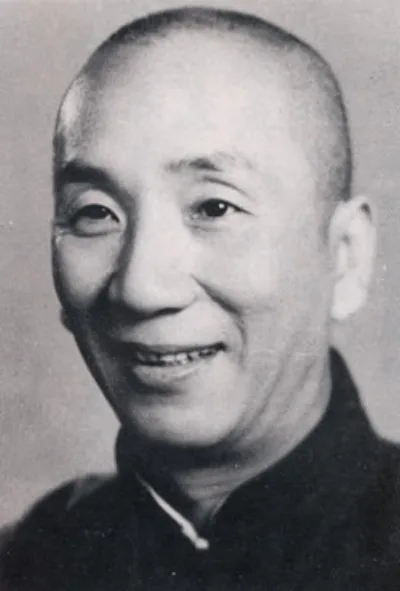
Ip Man was a renowned Chinese martial arts master, known for teaching Wing Chun and his most famous student, Bruce Lee.
Ip Man, born Ip Kai-man in 1893, was a prominent Chinese martial arts grandmaster celebrated for his teaching of Wing Chun. He began his martial arts journey at a young age in Foshan, Guangdong, learning from Chan Wah-shun and later from Chan's student, Ng Chung-sok. Moving to Hong Kong in his youth, Ip continued his education and furthered his martial arts training under Leung Bik. Returning to Foshan, he served as a police officer and informally taught Wing Chun to various individuals, though he did not establish a formal school. During the Second Sino-Japanese War, his activities are not clearly documented, with some suggestions of intelligence work. Following the war, he returned to police service before relocating to Hong Kong in 1949 after the Chinese Civil War. In Hong Kong, Ip Man faced initial unemployment and financial struggles, which he addressed by teaching Wing Chun, initially to members of the Restaurant Workers' Association and disaffected youth. He also reportedly struggled with an opium addiction, which influenced his need for income. Over time, his reputation grew, attracting a wider range of students. Ip Man passed away in 1972, leaving a significant legacy as a martial arts instructor, most notably for training Bruce Lee.
Early Life and Martial Arts Training
Born Ip Kai-man in 1893 into a prosperous family in Foshan, Guangdong, Ip Man received a traditional Chinese education. His martial arts training in Wing Chun commenced at a young age, initially under Chan Wah-shun, who was significantly older. Due to Chan's age and eventual retirement, Ip completed much of his foundational Wing Chun learning from Chan's senior student, Ng Chung-sok. At sixteen, Ip relocated to Hong Kong to attend St. Stephen's College. There, he encountered and was decisively defeated in sparring by Leung Bik, who turned out to be the son of Ip's master's teacher. This experience led Ip to train further with Leung Bik until the latter's death. Ip returned to Foshan around age 24, working as a police officer. While he taught Wing Chun to colleagues and acquaintances, he did not operate a formal martial arts school during this period.
Life in Hong Kong and Teaching Career
After the Chinese Civil War concluded in 1949, Ip Man, along with his wife and elder daughter, moved to Hong Kong. The border closures in 1951 permanently separated him from his wife. In Hong Kong, Ip initially experienced unemployment and financial hardship. He eventually found work through the Hong Kong Restaurant Workers' Association. Around the early 1950s, he began teaching Wing Chun, partly to generate income and allegedly to support an opium addiction. His early students were often from working-class backgrounds. Ip moved his school several times, and as his students gained proficiency, their successes in martial arts competitions and challenges began to enhance Ip's reputation. By the 1960s, his fame had grown, attracting more affluent and educated students. In 1967, he co-founded the Ving Tsun Athletic Association, partly to address his ongoing financial difficulties.
Later Life, Death, and Legacy
Ip Man's later years were marked by increasing recognition within the martial arts community. He continued to teach and develop Wing Chun. He had a mistress from Shanghai with whom he had a son, Ip Siu-wah. His wife, Cheung Wing-sing, passed away in Foshan in 1960. Ip Man died on December 2, 1972, in Hong Kong from laryngeal cancer. His death occurred only seven months before that of his most famous student, Bruce Lee. Ip Man's legacy is preserved through his numerous students who became masters themselves, the Ip Man Museum in Foshan, and numerous film portrayals of his life. He is widely regarded as a pivotal figure in the history and dissemination of Wing Chun martial arts.
Books by Man-Ho Kwok
0 free public domain books · Read online or download