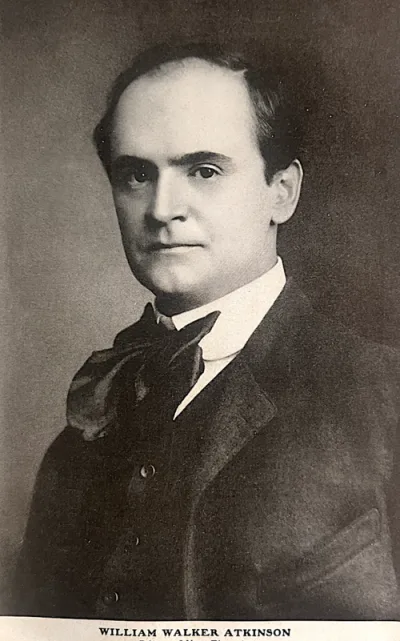
✍️ Author Biography
📅 1884 – 1954
🌍 Russian
📚 3 free books
Laurence Gardner was an author whose works explored themes often associated with esoteric traditions and historical mysteries.
Laurence Gardner was an author known for his explorations into subjects that often intersect with esoteric beliefs, historical enigmas, and alternative interpretations of religious and royal lineages. His writings frequently delved into subjects such as the Holy Grail, the Merovingian dynasty, and the concept of the 'Anunnaki,' presenting theories that challenged conventional historical and theological narratives. Gardner positioned himself as a researcher uncovering suppressed or forgotten knowledge, aiming to reveal a hidden spiritual or Gnostic tradition that he believed had been obscured over centuries.
His work often synthesized elements from mythology, religious studies, and ancient history to construct complex arguments about humanity's past and its connection to divine or extraterrestrial influences. Gardner's approach involved reinterpreting biblical accounts, genealogical records, and ancient texts to support his theories about a hidden lineage and a secret history of humankind. He presented these ideas in a narrative style that sought to engage readers with the mystery and potential implications of his research.
Explorations of Esoteric Lineages and Sacred Traditions
Laurence Gardner's literary contributions centered on the investigation of what he perceived as a suppressed esoteric lineage and a hidden sacred tradition. He extensively researched and wrote about the Holy Grail, not merely as a religious artifact, but as a symbol of a bloodline and a repository of ancient wisdom. Gardner posited that this lineage, often linked to the Merovingian kings of France and figures in early Christianity, carried knowledge that was deliberately concealed throughout history. His work sought to connect this lineage to ancient Near Eastern cultures and even extraterrestrial influences, suggesting a profound, hidden history that impacted human development and spirituality.
Challenging Conventional Historical and Religious Narratives
A significant aspect of Gardner's writing involved challenging established historical and religious doctrines. He proposed alternative interpretations of key biblical events and figures, suggesting that traditional accounts were incomplete or intentionally misleading. Gardner's theories often included the concept of the Anunnaki, ancient Mesopotamian deities, as extraterrestrial beings who played a crucial role in early human civilization and the development of royal bloodlines. By re-examining ancient texts, genealogies, and archaeological evidence through this lens, he aimed to reveal a more complex and perhaps more mystical origin for humanity and its societal structures.
Synthesis of Mythology, Religion, and Alternative History
Gardner's methodology involved a synthesis of diverse fields, including comparative mythology, religious studies, ancient history, and Gnostic traditions. He wove together narratives from various cultures and historical periods to support his overarching thesis of a hidden, ancient wisdom. His books often presented a grand, interconnected theory about the origins of civilization, the nature of divinity, and the true history of human lineage. This approach positioned his work within the realm of esoteric literature, appealing to readers interested in alternative histories and spiritual mysteries that lie beyond mainstream academic consensus.