John Melville
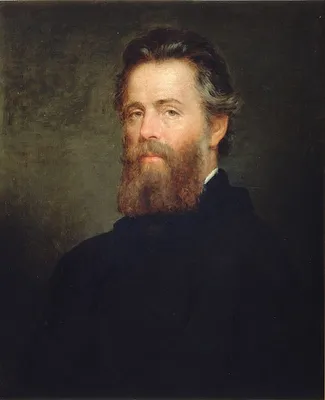
Herman Melville, an American Renaissance writer, gained posthumous fame for works like Moby-Dick, exploring themes of fate and the human condition.
Herman Melville was a significant American author of the American Renaissance, born in 1819. Despite a prosperous early life, his family faced financial hardship after his father's death, leading Melville to work at sea. His experiences at sea, particularly in Polynesia, formed the basis for early successful works like Typee. His literary ambitions grew, culminating in Moby-Dick, though it was not widely appreciated during his lifetime. Melville's career shifted towards poetry and short fiction later in life, and he held a position as a customs inspector. He died in 1891, largely unrecognized, but a revival of interest in his work began around his birth centennial in 1919, with Moby-Dick eventually being recognized as a Great American Novel. His novella Billy Budd was published posthumously.
Early Life and Maritime Experiences
Born in New York City in 1819, Herman Melville came from a family with a history tied to the American Revolution. His early years were marked by privilege, but his father's financial difficulties and eventual death in 1832 profoundly impacted the family. To alleviate financial strain, Melville took to the sea as a common sailor in 1839 and later on a whaler in 1841. His experiences in the Marquesas Islands led to his first book, Typee, a romanticized account of his time with local peoples. This and subsequent travelogues based on his voyages provided some financial stability, allowing him to marry.
Literary Development and Shifting Fortunes
Melville's literary output evolved from adventure tales to more complex psychological narratives. While works like Redburn and White-Jacket received respectable reviews, they did not achieve significant sales. His ambition culminated in Moby-Dick (1851), a profound exploration of obsession and the human condition, which, like his philosophical novel Pierre, was met with critical indifference and public apathy. During the mid-1850s, he turned to publishing short fiction in magazines, including well-regarded pieces like 'Benito Cereno' and 'Bartleby, the Scrivener'.
Later Years and Poetic Focus
Following travels in the Near East and the publication of his last prose work, The Confidence-Man (1857), Melville moved back to New York City and took a job as a customs inspector. This period marked a shift in his creative focus towards poetry. His poetic works included reflections on the Civil War, such as Battle-Pieces and Aspects of the War (1866), and the epic Clarel: A Poem and Pilgrimage in the Holy Land (1876). The deaths of his sons deeply affected him. In his final years, he privately published poetry volumes. The unfinished novella Billy Budd was discovered and published decades after his death in 1924.
Key Ideas
- Exploration of obsession and the human condition
- Psychological depth in narrative
- Critique of societal and religious structures
- Reflections on fate, free will, and the nature of evil
- The impact of maritime experience on the individual
Books by John Melville
2 free public domain books · Read online or download