Jan N Bremmer
An early Christian text detailing visions of heaven and hell, influencing later apocalyptic literature.
The Apocalypse of Peter, an early Christian apocalyptic text from the 2nd century, offers one of the earliest detailed Christian accounts of heaven and hell. It is a pseudepigraphal work, meaning it is attributed to the apostle Peter but its true author is unknown. The text draws on both Jewish apocalyptic traditions and Hellenistic Greek philosophy. It exists in two main versions, a shorter Greek one and a longer Ethiopic one, both derived from a lost original.
The work describes a divine vision experienced by Peter, revealed through the risen Jesus Christ. Following a discussion about the signs of the Second Coming, the text delves into a vision of the afterlife, detailing heavenly rewards for the righteous and graphic punishments for the wicked, often reflecting the principle of 'an eye for an eye.' While not part of the New Testament canon, it was recognized in early Christian lists like the Muratorian fragment, though with some reservations. Its influence waned as it was superseded by later works, notably the Apocalypse of Paul.
Authorship, Dating, and Origin
Scholarly consensus places the composition of the Apocalypse of Peter between 100 AD and 150 AD, with evidence suggesting it existed by around 150 AD. Its dating is supported by its probable use of the Fourth Book of Esdras (circa 100 AD) and its mention in the Sibylline Oracles (circa 150 AD) and the Muratorian fragment (late 2nd century). The geographical origin of the author remains debated, with Palestine and Egypt being the primary candidates. Some scholars, like Jan Bremmer, suggest Hellenized Egypt as a possible origin due to the text's philosophical influences, while others propose Roman Judea, particularly in connection with the Bar Kokhba revolt, citing the author's apparent perspective from a position of persecution.
Manuscript History and Textual Variants
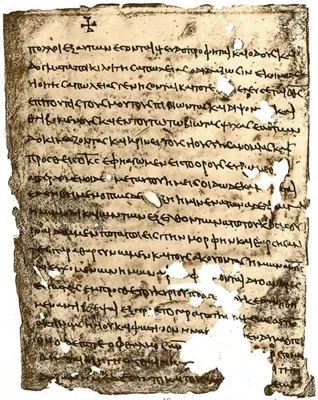
For centuries, the Apocalypse of Peter was known only through references in other early Christian writings. A significant breakthrough occurred in 1886–87 with the discovery of a fragmented Koine Greek manuscript at Akhmim, Upper Egypt, likely dating to the late 6th century. Later, in the early 20th century, Ethiopic versions were identified, believed to be translated from a lost Arabic version, which in turn derived from the lost Greek original. Additional Greek fragments, dating from the 3rd to 5th centuries, have also been found. Most scholars consider the Ethiopic versions to be closer to the original text than the Akhmim Greek manuscript. The Rainer and Bodleian fragments are viewed as particularly reliable guides to the original wording, despite their limited extent.
Content and Esoteric Themes
The Apocalypse of Peter presents a vision of the end times and the afterlife, framed as a discourse by Jesus to his disciples. The narrative, particularly in the Ethiopic version, describes Peter receiving a vision of hell followed by heaven from the risen Christ. The text elaborates extensively on the punishments awaiting sinners in hell, often with graphic physical descriptions that correspond to their earthly transgressions. For instance, blasphemers are punished by having their tongues impaled, and liars who bear false witness have their lips severed. The rewards for the righteous are depicted more briefly, with descriptions of heavenly bliss, beauty, and eternal song. The work's detailed exploration of the afterlife and divine judgment places it within the genre of apocalyptic literature, anticipating later works like Dante's Divine Comedy in its exploration of the realms beyond death.
Key Ideas
- Apocalyptic literature
- Christian vision of heaven and hell
- Pseudepigraphy
- Jewish apocalyptic influence
- Hellenistic Greek philosophy influence
- Lex talionis in punishment
- New Testament apocrypha
- Afterlife journey (katabasis)
Books by Jan N Bremmer
0 free public domain books · Read online or download
