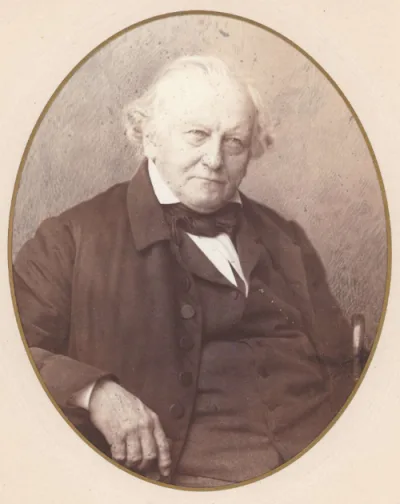
Gregory Whincup
Breastfeeding nourishes infants with nutrient-rich milk and offers significant health benefits to both mother and child.
Breastfeeding, or nursing, involves feeding infants and toddlers breast milk, either directly from the breast or via pumped milk. Health organizations recommend exclusive breastfeeding for the first six months, followed by continued breastfeeding with complementary foods for up to two years or longer. This practice offers numerous advantages over infant formula, potentially preventing hundreds of thousands of child deaths annually and reducing risks of infections, chronic diseases like diabetes and obesity, and improving cognitive development in children. For mothers, breastfeeding aids postpartum recovery, reduces blood loss and uterine contractions, and lowers the risk of certain cancers and cardiovascular diseases. While generally less expensive than formula, the impact on maternal income is often overlooked. Mothers may experience temporary discomforts like nipple pain and a sense of lost autonomy, but these typically subside. The physiological process involves complex hormonal changes preparing the breasts during pregnancy for milk production, with the milk's composition adapting to the infant's needs. Lactation occurs in stages, initiated by pregnancy and further triggered by childbirth and the infant's demand, with hormones like prolactin and oxytocin playing crucial roles.
Physiology of Lactation
Breast development begins at puberty, with the size of the breasts not dictating milk production capacity. Lactogenesis, the process of milk production, occurs in three stages. Lactogenesis I, starting around 16 weeks of pregnancy, involves hormonal preparation of the breast, including the production of colostrum, a nutrient-dense early milk. Hormones such as estrogen, progesterone, and prolactin are key, with progesterone initially inhibiting milk release. Physical changes include areola enlargement and nipple sensitivity. Lactogenesis II is triggered by the delivery of the placenta, causing a sharp drop in progesterone and allowing prolactin to facilitate the 'coming in' of milk over several days. Oxytocin also plays a vital role, stimulating uterine contractions and the milk ejection reflex (let-down) to release milk through the ducts.
Establishing and Maintaining Milk Supply
Following the initial stages, Lactogenesis III sees milk production becoming locally regulated by the infant's demand and the frequency of breast drainage. While prolactin levels may be higher in breastfeeding mothers, they don't directly correlate with milk volume. Consistent and frequent emptying of the breasts is essential to maintain milk supply; infrequent drainage can reduce milk flow. Breast pumps are often used to supplement this drainage. Conditions like mastitis can arise from incomplete milk removal. It's advised against forcing the baby to feed excessively or overusing pumps, as this can lead to an oversupply of milk.
Composition and Benefits of Breast Milk
Breast milk is uniquely tailored to an infant's nutritional and bioactive needs. Its composition, derived from the mother's bloodstream and stores, provides an optimal balance of fats, sugars, proteins, and water for growth. Colostrum, the initial milk, is rich in protein and essential vitamins, supporting the newborn's immune system, brain development, and vision. Beyond nutrition, breast milk contains enzymes, antibodies, and signaling molecules that aid the infant's development. Breastfeeding offers substantial health benefits, including reduced risks of infections, SIDS, allergies, diabetes, and obesity for the infant, alongside improved cognitive function. For mothers, it aids postpartum recovery, reduces risks of certain cancers and cardiovascular diseases, and naturally delays menstruation and fertility.
Key Ideas
- Lactogenesis stages (I, II, III) describe the physiological progression of milk production.
- Hormonal regulation (prolactin, progesterone, oxytocin) is critical in initiating and maintaining lactation.
- Demand-driven milk production emphasizes the importance of frequent breast drainage.
- Breast milk offers both nutritional and bioactive components vital for infant development.
- Breastfeeding provides significant health benefits for both mother and child.
Books by Gregory Whincup
2 free public domain books · Read online or download