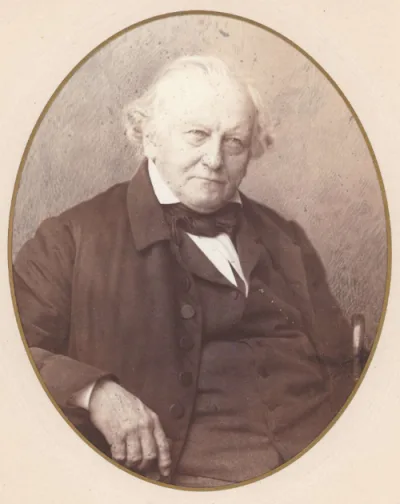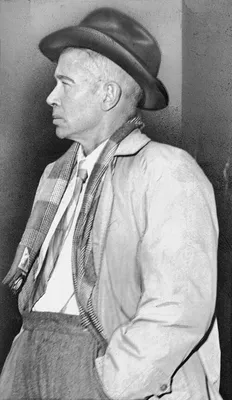
George C. H. Ee
E. E. Cummings was a modernist American poet known for experimental style and deeply personal, spiritually-inclined work.
Edward Estlin Cummings, known as e. e. cummings, was a prolific American poet, painter, essayist, and playwright of the 20th century, recognized for his distinctive modernist style. His work often featured unconventional grammar, syntax, and lowercase spellings, aiming to revitalize language and perception. Cummings's early life was marked by a supportive family environment and a developing spiritual inclination, evident in his personal writings and prayers. He served as an ambulance driver during World War I, an experience that led to his imprisonment and later formed the basis for his novel, The Enormous Room.
Throughout his career, Cummings published numerous poetry collections, plays, and prose works, including the travelogue EIMI and the Charles Eliot Norton Lectures published as i—six nonlectures. His poetry is celebrated for its originality and emotional vitality, often exploring themes of love, nature, and the individual's spiritual journey. Critics frequently noted his ability to make experimental poetry accessible and impactful, transforming everyday observations into profound artistic statements.
Spiritual and Philosophical Underpinnings
Cummings's life was characterized by enduring transcendental leanings, evolving into a personal 'I, Thou' relationship with the divine. His journals reveal consistent prayers for creative inspiration and the strength to embody his authentic self, rather than seeking external validation of greatness. He expressed a desire to avoid spiritual stagnation, particularly fearing a descent into a purely intellectual existence due to loneliness. This deep-seated spirituality informed his artistic output, imbuing his poetry with a search for profound meaning and connection.
Literary Style and Innovation
Renowned as a key figure in modernist poetry, e. e. cummings is celebrated for his radical experimentation with language. He frequently employed idiosyncratic syntax, unconventional punctuation, and a consistent use of lowercase letters, even for his own name, to achieve a unique expressive effect. His early work, such as Tulips and Chimneys, immediately showcased these stylistic innovations. Critics like M. L. Rosenthal and Norman Friedman highlighted Cummings's ability to 'blow open' conventional motifs and 'strip the film of familiarity from language,' thereby transforming the reader's perception of the world.
Key Life Experiences and Works
Cummings's formative years included artistic encouragement from his parents and intellectual companionship with figures like William James. His wartime experience as an ambulance driver led to his arrest and imprisonment, vividly documented in his novel The Enormous Room. This event, alongside the tragic death of his father in a car accident, profoundly shaped his perspective and subsequent artistic focus. His travels, including a significant journey to the Soviet Union resulting in the book Eimi, further broadened his experiences and contributed to his diverse body of work.
Key Ideas
- Revitalization of language through experimental syntax and typography
- Exploration of individual spiritual connection and authentic selfhood
- Transforming perception of the ordinary through poetic innovation
Notable Quotes
“Bon Dieu! may i some day do something truly great. amen.”
“may I be I is the only prayer—not may I be great or good or beautiful or wise or strong”
“almighty God! I thank thee for my soul; & may I never die spiritually into a mere mind through disease of loneliness”
Books by George C. H. Ee
0 free public domain books · Read online or download