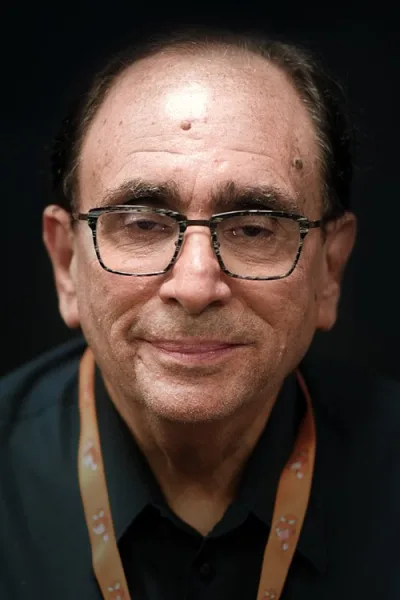
✍️ Author Biography
Diane Smith
🌍 American
📚 2 free books
⭐ Known for: Spirit Car: Journey to a Dakota Past (2006)
Diane Wilson is a Native American author recognized for her novels exploring Dakota history, culture, and Indigenous food systems.
Diane Wilson, a writer of Rosebud Sioux and Mdewakanton heritage, has gained recognition for her literary works that delve into Dakota history and culture. Born in 1954, she is a citizen of the Rosebud Sioux Tribe and a descendant of a Dakota woman and a French-Canadian fur trader. Her background also includes Swedish-American heritage. Wilson's writing career gained momentum with her 2006 novel, "Spirit Car: Journey to a Dakota Past," which earned a Minnesota Book Award and was featured in a city-wide reading program. Her subsequent works, including "Beloved Child: A Dakota Way of Life," have also received accolades and recognition from various arts and historical organizations. Her 2021 novel, "The Seed Keeper," which explores the stories of four Native women across a century, was inspired by her participation in the Dakota Commemorative March and the resilience of women preserving seeds. This novel also won a Minnesota Book Award and was selected for an NEA Big Read program. Beyond her novels, Wilson has contributed essays on vital topics such as seed advocacy, food sovereignty, social justice, and cultural revitalization to various publications. She also authored a children's book, "Where We Come From," published in 2022.
Literary Exploration of Dakota Heritage
Diane Wilson's literary contributions are deeply rooted in her Dakota heritage. Her debut novel, "Spirit Car: Journey to a Dakota Past" (2006), marked her emergence as a significant voice, exploring historical narratives and earning critical acclaim, including a Minnesota Book Award. This work, along with her subsequent novel "The Seed Keeper" (2021), highlights her commitment to preserving and sharing the stories of Native peoples. "The Seed Keeper" specifically weaves together the experiences of four Native women across a span of 140 years, drawing inspiration from the forced removal of Dakota people from Minnesota and the enduring strength of women safeguarding cultural traditions, symbolized by their act of sewing seeds into their clothing. The novel's narrative arc, from 1862 to 2002, and its focus on intergenerational knowledge and resilience, underscore Wilson's dedication to reclaiming and celebrating Dakota history and identity.
Advocacy for Indigenous Food Systems
Beyond her narrative fiction, Diane Wilson has been a prominent advocate for Indigenous food sovereignty and cultural recovery. Her involvement with organizations like the Native American Food Sovereignty Alliance and Dream of Wild Health demonstrates a commitment to fostering sovereign food systems for Native communities. This advocacy is intricately woven into her writing, particularly in "The Seed Keeper," where the preservation of seeds and traditional food practices plays a central thematic role. Wilson has also published essays in various anthologies and environmental publications, addressing topics such as seed advocacy, food sovereignty, social justice, and cultural revitalization. Her engagement with Indigenous foods and the implications of GMO seeds informs her literary work, providing a platform to discuss critical issues of ecological balance, cultural continuity, and self-determination for Native peoples.
Key Ideas
- Exploration of Dakota history and culture
- Preservation of Indigenous seed knowledge
- Advocacy for food sovereignty
- Themes of resilience and cultural recovery
- Intergenerational storytelling