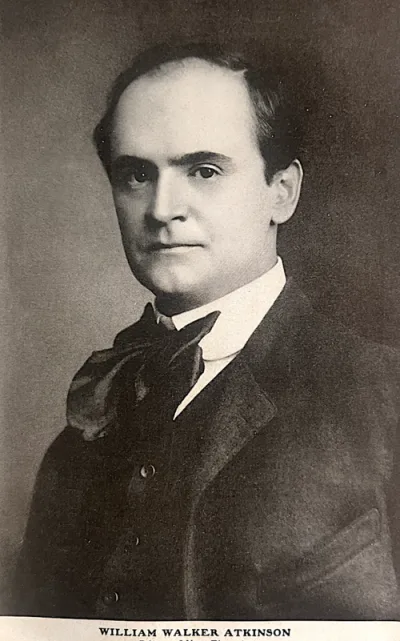
David Straub
Peter Straub was an American author known for his horror and supernatural fiction, often blending genres with a poetic sensibility.
Peter Straub was an American novelist and poet celebrated for his contributions to horror and supernatural fiction. His career spanned several decades, producing notable works like "Julia," "Ghost Story," and "The Talisman," the latter co-authored with Stephen King. Straub also explored the mystery genre with his "Blue Rose Trilogy" and fused supernatural elements with crime fiction in works such as "Lost Boy, Lost Girl." He received significant literary accolades, including the Bram Stoker Award and the World Fantasy Award.
Straub's early life was marked by a serious childhood accident that influenced his awareness of mortality. He developed a deep love for literature and poetry from a young age, attending prestigious schools and earning advanced degrees. After initial forays into mainstream fiction, he found his voice in horror, seeing it as a genre that allowed for significant creative experimentation. His writing often incorporated a poet's lyrical style, a characteristic frequently highlighted by critics and fellow authors.
Literary Style and Thematic Exploration
Peter Straub's writing is characterized by a sophisticated blend of horror, supernatural, and mystery elements, often infused with a "poet's sensibility" as noted by his New York Times obituary. He demonstrated a remarkable ability to weave intricate narratives that explored the darker aspects of human experience while maintaining a lyrical prose style. Straub's work frequently delved into themes of mortality, the uncanny, and the psychological depths of his characters. His "Blue Rose Trilogy" ("Koko," "Mystery," and "The Throat") showcased his experimental approach to metafiction and unreliable narration, challenging conventional storytelling structures. Furthermore, his collaborations with Stephen King, particularly "The Talisman" and "Black House," brought his distinctive voice to a wider audience, merging their styles into compelling supernatural adventures.
Career Trajectory and Genre Innovation
Initially attempting mainstream literary novels, Peter Straub found his niche in the horror genre, recognizing its potential for creative freedom and experimentation. Works like "Julia" and "Ghost Story" quickly established his reputation. He intentionally chose horror, observing the success of a few key novels and seeing an opportunity to innovate within the field. Straub's career was marked by a willingness to push boundaries, evident in his fusion of supernatural elements with crime fiction in "Lost Boy, Lost Girl" and "In the Night Room." Beyond his fiction, Straub also contributed to the literary world as an editor, curating the Library of America volumes "H. P. Lovecraft: Tales" and "American Fantastic Tales," showcasing his deep engagement with the fantastic and the weird.
Influences and Literary Acclaim
Straub's literary journey was shaped by a diverse range of influences, from the "wounded and self-conscious adolescence" evoked by Thomas Wolfe and Jack Kerouac to the poetic sensibilities of John Ashbery. He also expressed admiration for Henry James, Raymond Chandler, and Charles Dickens. His passion for jazz music, particularly artists like Lester Young, also found its way into his work. Straub's significant contributions to literature were recognized with numerous prestigious awards, including the Bram Stoker Award, the World Fantasy Award, and the International Horror Guild Award. Fellow writers like Stephen King and Neil Gaiman lauded his unique talent, with King describing Straub's prose as "beautiful" and his writing as the equal of literary figures like Philip Roth, despite its fantastic subject matter.
Key Ideas
- Blending horror, supernatural, and mystery genres
- Exploring themes of mortality and the uncanny
- Utilizing a poetic sensibility in prose
- Experimental metafiction and unreliable narration
Notable Quotes
“According to his New York Times obituary, Straub "brought a poet's sensibility to stories about ghosts, demons and other things that go bump in the night."”
“King says, "he brought a poet's sensibility to the field, creating a synthesis of horror and beauty" and "he writes a beautiful prose line that features narrative clarity, sterling characterization, and surprising bursts of humor."”
“King told The New York Times that "He was not only a literary writer with a poetic sensibility, but he was readable. And that was a fantastic thing. He was a modern writer who was the equal of, say, Philip Roth, though he wrote about fantastic things."”
“King added that "he was a better and more literary author than I was."”
“Neil Gaiman paid homage to Straub, writing “One of the best writers I’ve read, one of the best friends I’ve known. Always kind, funny, irascible, brilliant."”
Books by David Straub
1 free public domain book · Read online or download