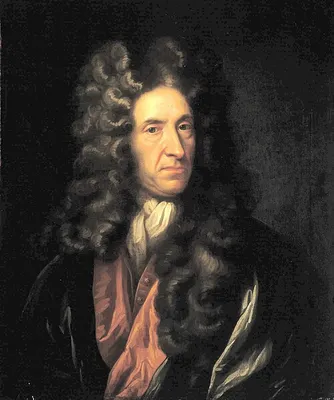
Daniel Defoe
Daniel Defoe was an English writer, journalist, and spy, celebrated for pioneering the English novel with works like Robinson Crusoe.
Daniel Defoe, an English writer, journalist, merchant, and spy, lived around 1660-1731. He is widely recognized as a key figure in the development of the English novel, with "Robinson Crusoe" (1719) being his most famous work. This novel achieved immense popularity, leading to its status as one of history's most published books and even defining a literary genre, the "Robinsonade." Defoe also penned "Moll Flanders" (1722) and "Roxana: The Fortunate Mistress" (1724). Beyond fiction, he was a prolific writer of political tracts and engaged in activities that often brought him into conflict with authorities, including periods of imprisonment. His intellectual contributions were noted by prominent figures, who sometimes sought his counsel.
Born Daniel Foe in London, Defoe later adopted the more aristocratic "De" to his name. His early life was marked by significant historical events such as the Great Plague and the Great Fire of London. He received education at dissenting academies, reflecting his parents' Nonconformist beliefs. Defoe's business career was varied, involving trade in goods like hosiery and wine, and he experienced both financial success and bankruptcy. His political involvement led to his participation in the Monmouth Rebellion and subsequent service as a secret agent. His writings, encompassing satirical poems, political pamphlets, and volumes, often reflected his complex relationship with the authorities and his engagement with contemporary social and political issues.
Literary Innovations and Esoteric Undertones
Daniel Defoe is celebrated for his significant role in establishing the English novel as a literary form. His narrative techniques and focus on realistic portrayal were groundbreaking, influencing generations of writers. While his most famous works like "Robinson Crusoe" explore themes of survival, self-reliance, and the human condition in isolation, they can also be interpreted through a lens of spiritual or philosophical introspection. The solitary protagonist's journey of self-discovery and his relationship with Providence hint at deeper explorations of faith and the individual's place in the universe. Furthermore, Defoe's writings sometimes touched upon the intersection of the spiritual and physical realms, as seen in "A True Relation of the Apparition of One Mrs. Veal," which delves into supernatural encounters and the nature of reality beyond the tangible world.
Political Engagement and Philosophical Commentary
Defoe's life was deeply intertwined with the political landscape of his time. His prolific output of political tracts and pamphlets often placed him at odds with the ruling powers, leading to arrests and imprisonment. His work "An Essay Upon Projects" showcased his ideas for societal and economic reform, reflecting a forward-thinking philosophical outlook. His satirical poem "The True-Born Englishman" addressed xenophobia and national identity, offering a commentary on social prejudices. Defoe's ability to navigate complex political factions, serving as an intelligence agent for different administrations, demonstrates a pragmatic approach to influencing public discourse and policy. His journalism, particularly "A Review of the Affairs of France," provided critical analysis of contemporary events, contributing to a more informed public sphere.
Key Ideas
- Pioneering the English novel form
- Exploration of survival and self-reliance
- Intersection of the spiritual and physical realms
- Social and economic reform
- Commentary on national identity and prejudice
- Journalistic reporting and political analysis
Books by Daniel Defoe
7 free public domain books · Read online or download