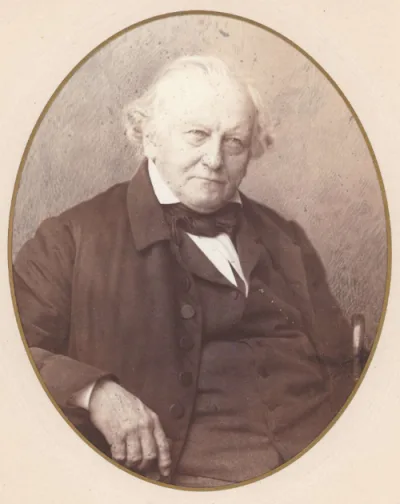
✍️ Author Biography
Dan Monticelli
🌍 French
📚 2 free books
⭐ Known for: Dictionary of art sales in France and Euro...
Hippolyte Mireur was a physician and public figure who compiled a monumental dictionary of art sales.
Hippolyte Mireur (1841-1914) was a French physician, public health advocate, and art historian. He is primarily known for his comprehensive "Dictionary of art sales in France and Europe between 1700 and 1900," often referred to as "the Mireur." This multi-volume work, published between 1903 and 1911, documented approximately 30,000 artists and 30,000 art sales, providing invaluable data on artwork prices, ownership history, dimensions, and condition. Mireur financed this ambitious project by selling his personal art collection, which included a significant number of works by Adolphe Monticelli, an artist whose use of color profoundly influenced Vincent Van Gogh.
Beyond his work on art market history, Mireur had a distinguished career as a physician in Marseille. He specialized in venereal diseases and dermatology and made significant contributions to public health, particularly in combating syphilis and improving sanitation. His efforts during a cholera epidemic earned him the Legion of Honor, and he served as a deputy mayor in charge of public health. Mireur also translated plays by Sophocles and had interests in music and literature, viewing art and public health as avenues for societal improvement and democratization.
Pioneering Art Market Historian
Hippolyte Mireur's most significant contribution to scholarship is his "Dictionary of art sales in France and Europe between 1700 and 1900." This monumental, multi-volume publication, known colloquially as "the Mireur," is considered a foundational text in art market history. It meticulously cataloged tens of thousands of artworks, detailing prices, previous owners, and transaction dates and locations across two centuries. The work's depth, including dimensions and condition notes, offers precise insights into the nascent European art market, its trends, and collector preferences. Mireur's Dictionary served as a crucial reference for art professionals and historians, aiding in the authentication of works and tracing the provenance of pieces by both renowned and lesser-known artists during periods when their market value was less established. The publication has been digitally re-released, bridging historical data with contemporary art market analysis.
Public Health and Civic Leadership
Trained as a physician, Hippolyte Mireur dedicated much of his life to public health initiatives in Marseille. He was a specialist in venereal diseases and dermatology, actively working to improve hygiene and combat infectious diseases. His tireless efforts during Marseille's 1884-85 cholera epidemic were recognized with the prestigious Legion of Honor. Mireur also played a key role in urban development, overseeing the construction of the city's sewage system during his tenure as deputy mayor for public health, a critical step in disease prevention. His commitment extended to scientific research, chairing France's National Medical Society and authoring influential works on demography and public hygiene, which highlighted the impact of sanitation on mortality rates. Mireur believed in the democratization of art and knowledge, aiming to equip potential collectors with the information needed to navigate the art market confidently.
Art Collection and Artistic Influence
To fund his extensive research for the "Mireur" dictionary, Hippolyte Mireur sold his personal art collection in 1900. This collection primarily featured contemporary French artists, reflecting the international prominence of the French art market at the time. A notable portion of his collection was dedicated to the works of Adolphe Monticelli. Mireur's appreciation for Monticelli, particularly his expressive use of color, was shared by Vincent Van Gogh. Van Gogh considered Monticelli a major inspiration, seeing in his work a connection to Delacroix's approach to Provence. This influence was so profound that Van Gogh moved to the region, seeking to capture its distinctive light, a pursuit that attracted many other prominent artists. Mireur's collection, though eclectic, demonstrated his keen interest in art and his belief in its potential for broader appreciation.
Key Ideas
- Democratization of art collection through accessible information
- Importance of public health and sanitation for societal well-being
- Art market history as a rigorous field of quantitative study
- Influence of artistic techniques (color, expressiveness) on subsequent generations of artists