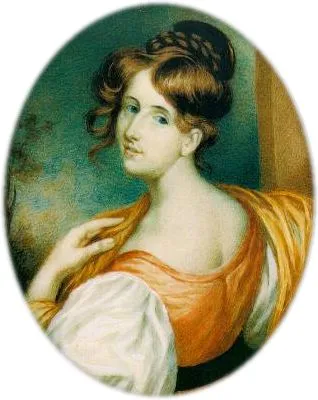
Charles Dickens Elizabeth Cleghorn Gaskell
Elizabeth Gaskell was an English novelist known for her realistic portrayals of Victorian society and the lives of the working class.
Elizabeth Cleghorn Gaskell, born Stevenson, was an English writer recognized for her novels, biographies, and short stories. Her literary works provided insightful examinations of Victorian society, particularly focusing on the circumstances of the impoverished. Gaskell's initial novel, "Mary Barton," appeared in 1848, followed by "The Life of Charlotte Brontë" in 1857, a biography that significantly contributed to the enduring fame of the Brontë family. Among her most celebrated novels are "Cranford," "North and South," and "Wives and Daughters," all of which have been adapted for television.
Her upbringing in Cheshire, living with her aunt, shaped her appreciation for rural simplicity, while her education included traditional subjects for young ladies. Influences from her father and brother, who shared modern books and accounts of his travels, along with her travels to London, Newcastle, and Edinburgh, broadened her perspective. Her marriage to Unitarian minister William Gaskell led to their settlement in Manchester, a city whose industrial environment profoundly impacted her writing, especially her focus on industrial themes. Her literary career gained momentum with early published works and contributions to periodicals, often under pseudonyms before establishing her own name.
Gaskell's writing often drew from her observations of social conditions and her empathy for those facing hardship. Tragic personal events, such as the death of her infant son, served as catalysts for her creative output. Her social circle included prominent literary and reformist figures, and her home became a meeting place for intellectuals. She also engaged with Charles Dickens, contributing to his journal and seeking his advice. Gaskell's biography of Charlotte Brontë, while acclaimed, drew controversy for its focus on Brontë's personal life. Despite critical reception and periods of her work fading from prominence, her novels have been recognized for their literary merit and detailed social commentary.
Early Life and Influences
Born Elizabeth Cleghorn Stevenson in London in 1810, she was the youngest of eight children, though only she and her brother survived infancy. Her father, a Unitarian minister, resigned his orders on conscientious grounds, relocating to London with aspirations of a government position that did not materialize. Her mother, Elizabeth Holland, hailed from a family with connections to prominent Unitarian families, including the Wedgwoods and Darwins. Following her mother's death shortly after Elizabeth's birth, she was sent to live with her aunt Hannah Lumb in Knutsford, Cheshire. This period in Cheshire formed a significant part of her childhood, a setting she would later immortalize as Cranford. She received a traditional education for young ladies of her time, focusing on arts and decorum, but was also encouraged in her studies and writing by her father and brother, who sent her books and accounts of his seafaring experiences.
Writing Career and Social Commentary
Elizabeth Gaskell married Unitarian minister William Gaskell in 1832, and they settled in Manchester. The industrial landscape of Manchester became a significant influence on her writing, leading to novels that explored the lives of the working class and the social issues of the Victorian era. Her first novel, "Mary Barton," published in 1848, was a success, vividly depicting the struggles within Manchester's industrial slums. Her literary output extended to short stories and biographical work, most notably "The Life of Charlotte Brontë" (1857), which, while significant, courted controversy due to its portrayal of Brontë's private life. Gaskell's novels, including "North and South" and "Wives and Daughters," are noted for their detailed studies of Victorian society and its class dynamics. Her work appeared in periodicals, including Charles Dickens's journal "Household Words."
Literary Style and Reception
Gaskell's writing is characterized by its realism and empathetic portrayal of social conditions. Her descriptions were often praised for their vividness and emotional depth, with some comparing her descriptive abilities favorably to Jane Austen. Her novels, such as "Cranford," "North and South," and "Wives and Daughters," have been adapted for television, indicating their lasting appeal. While her work was highly regarded during her lifetime and immediately after, her reputation experienced a decline in the late 19th century, with some critics questioning her understanding of industrial issues due to her gender. However, her novels have since been re-evaluated and are recognized for their significant contribution to Victorian literature and social commentary.
Key Ideas
- Realistic portrayal of Victorian society
- Focus on the lives of the working class and the poor
- Exploration of industrial social issues
- Detailed studies of social class dynamics
Books by Charles Dickens Elizabeth Cleghorn Gaskell
0 free public domain books · Read online or download
