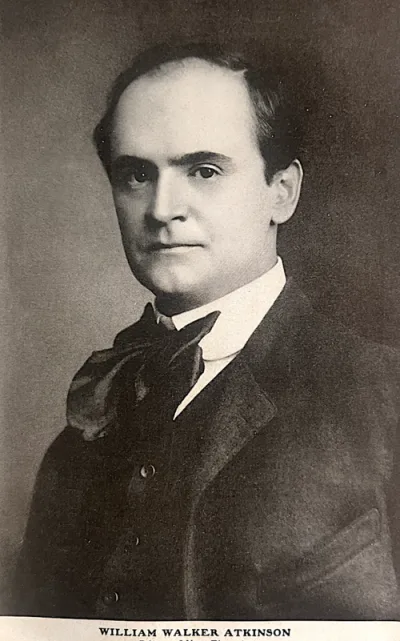
✍️ Author Biography
🌍 American
📚 1 free book
⭐ Known for: Watchmen Chapter I (2024)
An animated adaptation of the Watchmen comic explores a world of retired superheroes confronting a conspiracy and a manufactured global crisis.
Watchmen Chapter II is the second part of an animated film adaptation of the DC Comics limited series. Set in an alternate 1985, the story follows a group of former superheroes as they investigate the murder of one of their own, uncovering a vast conspiracy. The film delves into the characters' pasts, their disillusionment with vigilantism after costumed heroes were outlawed, and the complex geopolitical landscape influenced by the presence of a powerful being, Doctor Manhattan.
As the investigation progresses, the surviving heroes find themselves drawn back into action. Rorschach, a vigilante driven by a harsh moral code, uncovers the truth behind a staged alien invasion designed to unite the world. This revelation leads to a confrontation with the mastermind, who believes he has saved humanity by creating a new world order. The film concludes with the heroes grappling with the moral implications of the deception and the fate of those who know the truth.
Philosophical Underpinnings and Moral Ambiguity
The narrative of Watchmen Chapter II probes deep philosophical questions, particularly concerning the nature of heroism, sacrifice, and the greater good. The central conflict revolves around Adrian Veidt's manufactured alien invasion, a catastrophic event orchestrated to achieve global peace. This act forces the characters, and by extension the audience, to confront the ethical dilemma of sacrificing individual lives and truth for collective survival and stability. The film highlights the inherent ambiguity in morality, questioning whether a benevolent outcome justifies morally reprehensible means. The characters' reactions to Veidt's actions—ranging from Rorschach's absolute condemnation to the reluctant acceptance of others—underscore the complex spectrum of ethical viewpoints.
The Nature of Power and Intervention
Doctor Manhattan's immense power and his detachment from humanity form a significant thematic element. Initially aloof and questioning the worth of saving a world he no longer fully comprehends, his perspective shifts after an encounter with Laurie Juspeczyk. This interaction, and his subsequent realization of his own role in validating his fading humanity, prompts a change of heart. The film explores the burden of god-like power and the responsibility that comes with it, contrasting Manhattan's cosmic perspective with the more grounded, human struggles of the other characters. His ultimate departure to explore the universe signifies a withdrawal from the complexities of human affairs, leaving the remaining characters to navigate the consequences of Veidt's actions.
Deconstruction of Superhero Tropes
Watchmen Chapter II continues the deconstruction of traditional superhero narratives. The film presents a world where superheroes are largely retired, outlawed, or disillusioned, reflecting a cynical view of idealism in a complex world. The characters grapple with personal demons, past traumas, and the societal impact of their former actions. Rorschach, in particular, embodies a brutal, uncompromising justice, shaped by a deeply traumatic past and a shattered faith. The film critiques the simplistic black-and-white morality often found in superhero stories, instead offering a nuanced exploration of flawed individuals operating in shades of gray, forced to make impossible choices in a world that has moved beyond clear-cut heroism.
Key Ideas
- The ethical dilemma of achieving peace through deception and mass sacrifice.
- The nature of heroism and the consequences of vigilantism in a complex society.
- The philosophical implications of immense power and detachment from humanity.
- The deconstruction of traditional superhero archetypes and moral absolutes.