✍️ Author Biography
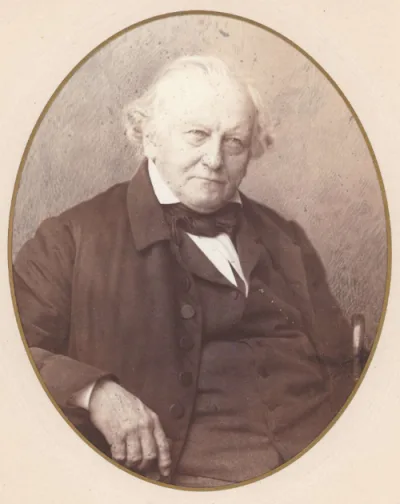
Candis Cantin
📅 1769 – 1843
🌍 American
📚 1 free book
⭐ Known for: Papyrus Ebers
Herbalism's history is intertwined with medicine, spanning prehistoric use to ancient documented practices and continuing as a component of traditional medicine.
The practice of using plants for medicinal purposes has a long and extensive history, dating back to prehistoric times and continuing to the present day. For millennia, herbalism was a core component of medical practice before the advent of modern scientific medicine based on the germ theory. While contemporary healthcare largely relies on evidence-based pharmaceuticals, often derived from plants, traditional and alternative medicine systems, which frequently incorporate herbal remedies, remain in use.
Evidence suggests that the use of medicinal plants predates written history, with examples found among Neanderthals and early humans. Ancient civilizations across Mesopotamia, Egypt, India, China, Greece, and Rome meticulously documented their knowledge of herbs, creating early pharmacopeias and therapeutic texts. These historical records highlight a deep understanding of plant properties and their application in treating various ailments, laying the groundwork for the evolution of medicine.
Prehistoric and Ancient Foundations
The utilization of plants for healing extends beyond recorded history, with evidence suggesting its use by hominids and Neanderthals as early as 60,000 years ago. Archaeological findings from burial sites, such as Shanidar IV, indicate the deliberate placement of medicinal plants, with seven of the eight species found still recognized for their therapeutic properties today. Further evidence from El Sidrón points to Neanderthals self-medicating with poplar for anti-inflammatory effects. Ötzi the Iceman, over 5,000 years ago, carried herbs likely intended to treat intestinal parasites, underscoring the ancient connection between plants and health maintenance.
Documented Herbal Traditions
Ancient civilizations developed sophisticated systems of herbal medicine. In Mesopotamia, Sumerian clay tablets from over 5,000 years ago listed hundreds of medicinal plants. Ancient Egypt, though facing translation challenges, left behind texts like the Papyrus Ebers, detailing over 850 plant-based remedies for various conditions, including garlic, juniper, and aloe. Indian Ayurvedic medicine, with roots possibly as early as 1,000 BC, is described in early Sanskrit writings like the Rig Veda and Atharva Veda, later detailed by herbalists like Charaka and Sushruta. Chinese tradition attributes the first pharmacopeia, the 'Shennong Ben Cao Jing,' to the emperor Shennong, listing 365 medicinal plants.
Greco-Roman Contributions to Herbalism
The intellectual traditions of ancient Greece and Rome significantly shaped the understanding of herbal medicine. The Hippocratic Corpus, associated with Hippocrates, emphasized logic and reason in healing, detailing numerous herbal remedies, some common and others imported. Galen of Pergamon, a physician in Rome, extensively documented herbal properties in works like 'Works of Therapeutics,' contributing to the calibration of remedies. Diocles of Carystus, referred to as 'the second Hippocrates,' is believed to have authored the first comprehensive herbal. Pliny the Elder's 'Natural History' cataloged over 900 drugs and plants, while Pedanius Dioscorides' 'De Materia Medica' listed over 1,000 medicines derived from plants, minerals, and animals, becoming a definitive text for centuries.
Medieval Herbalism and Continuity
During the Middle Ages, herbal knowledge continued, though scholarly debate exists regarding the extent of original understanding versus simple copying of classical texts. Medieval medical writers and students relied heavily on Greek and Roman works, with botanical knowledge often transmitted through these languages. While the transition of herbalism into a subtopic of modern medicine occurred, the foundational knowledge built upon by the Greeks and Romans remained influential. The understanding and application of herbal remedies persisted, forming a link between ancient practices and later developments in medicine.
Key Ideas
- Herbalism's historical integration with medicine.
- Ancient civilizations' documented use of medicinal plants.
- The scientific method's impact on modern medicine versus traditional practices.
- The continuity of herbal knowledge through various historical periods.