Brigid Bishop
Imbolc is a Gaelic festival marking spring's start, linked to Saint Brigid and ancient pagan traditions.
Imbolc, also known as Saint Brigid's Day, is a traditional Gaelic festival observed on February 1st, signifying the beginning of spring. Historically prevalent in Ireland, Scotland, and the Isle of Man, it is one of the four major Gaelic seasonal festivals. Its origins are believed to be pre-Christian, possibly connected to the goddess Brigid, fertility, and the lambing season, with the Christian saint later absorbing these associations. Early Irish literature mentions Imbolc, though less frequently than other seasonal festivals. Customs evolved over time, with detailed records emerging in the early modern era.
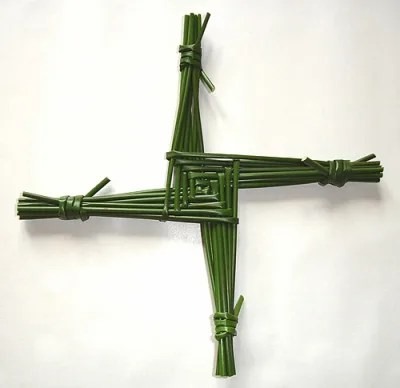
Traditional practices included weaving Brigid's crosses for protection, creating a Brigid doll (Brídeóg), and preparing a welcoming space for the saint's symbolic visit. These customs aimed to invoke blessings for protection against harm and for fertility. While many traditions faded in the 20th century, Imbolc is still observed by some as a religious or cultural holiday, with revivals occurring in various communities. Since 2023, it has been a public holiday in Ireland. The festival's name, Imbolc, has debated etymologies, potentially relating to 'in the belly' (referring to pregnant ewes) or 'cleansing'.
Origins and Etymology
The precise origin and meaning of the name Imbolc are debated among scholars. One common interpretation suggests it derives from Old Irish, meaning 'in the belly,' referencing the pregnancy of ewes during this period. Another theory proposes a connection to 'washing' or 'cleansing,' possibly indicating ritual purification. Historical texts like Cormac's Glossary link it to 'ewe milk,' suggesting a connection to the start of the lambing season and the availability of fresh milk. Many historians believe Imbolc has pre-Christian roots, potentially linked to a pagan festival celebrating the arrival of spring, the lambing season, and possibly the goddess Brigid. The Christian feast day of Saint Brigid, first documented in the Middle Ages, is thought by some scholars to have absorbed or replaced earlier pagan observances, a process known as Interpretatio Christiana. Evidence from Neolithic passage tombs aligned with celestial events around Imbolc's timing further suggests ancient significance.
Historical Customs and Rituals
Imbolc was historically recognized as one of the four primary seasonal festivals in Gaelic culture, alongside Beltane, Lughnasadh, and Samhain. Early accounts describe it as a time associated with the beginning of spring, the milking of ewes, and preparations for agricultural activities. Folk traditions, recorded from the 18th century onwards, reveal a rich tapestry of customs centered around Saint Brigid. These included weaving Brigid's crosses from rushes, often hung in homes for protection against fire, illness, and evil. Another significant practice involved preparing a symbolic welcome for Saint Brigid's Eve, including leaving out clothing for her to bless, making a bed for her, and offering food and drink. These rituals aimed to secure blessings and protection for the household and its inhabitants as the year turned towards spring.
Modern Observance and Significance
While many traditional Imbolc customs declined throughout the 20th century, the festival continues to be observed in various forms. Some Christians mark it as a religious holiday, while others observe it as a cultural event. In recent decades, there has been a revival of Imbolc traditions, particularly among Celtic neopagans and Wiccans, who celebrate it as a religious holiday. The festival's association with the transition from winter to spring, fertility, and purification resonates with contemporary spiritual practices. In Ireland, Imbolc/Saint Brigid's Day was established as an annual public holiday starting in 2023, acknowledging its cultural and historical importance within the nation.
Books by Brigid Bishop
2 free public domain books · Read online or download