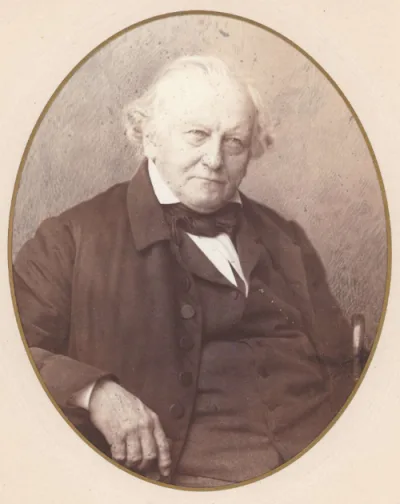
BOISSIER, A., fl. 1731.
A. Boissier, active in 1731, is referenced in botanical literature concerning plant nomenclature.
The provided text discusses the history and methodology of plant naming, particularly focusing on binomial nomenclature established by Carl Linnaeus in 1753. It highlights that many plants have been named after individuals from various professions, including botanists, patrons, and scientists. The practice of naming plants after people predates Linnaeus, with figures like Joseph Pitton de Tournefort, Charles Plumier, and Pier Antonio Micheli engaging in this tradition, sometimes to honor financial supporters. The text also references several key historical and contemporary works that catalog and explain plant names and their etymologies, serving as essential resources for botanical research and classification. These include glossaries, dictionaries, and encyclopedic works that document plant genera and their naming conventions.
Botanical Nomenclature and Eponymy
The practice of naming plants, particularly the assignment of genus and species epithets, has a long history, formalized by Carl Linnaeus in his 1753 work, Species Plantarum. This system allows for the classification of thousands of plant species. A significant aspect of this nomenclature is the use of eponyms, where plants are named in honor of individuals. This tradition extends beyond botanists and collectors to include a wide array of figures such as rulers, politicians, clerics, doctors, philosophers, and scientists. Even before the Linnaean system, botanists like Tournefort, Plumier, and Micheli named plants after people, often as a gesture of gratitude for patronage and support.
Resources for Plant Name Etymology
Understanding the origins of plant names is facilitated by various scholarly works. Early contributions include Alexandre de Théis's 1810 glossary and Georg Christian Wittstein's two-edition etymological dictionary from the mid-19th century. More recent and comprehensive resources are also cited, such as Lotte Burkhardt's Index and Encyclopedia of Eponymic Plant Names, Ross Bayton's The Gardener's Botanical, and Umberto Quattrocchi's CRC World Dictionary of Plant Names. These extensive references, along with others like those by Maarten Christenhusz, Allan J. Coombes, and William T. Stearn, are crucial for tracking and verifying the accepted names of plant genera and their historical roots.
Key Ideas
- Binomial nomenclature for plant classification.
- Eponymy in plant naming, honoring individuals.
- Historical development of plant nomenclature practices.
- Importance of etymological dictionaries and encyclopedias for botany.
Books by BOISSIER, A., fl. 1731.
0 free public domain books · Read online or download