Beatrix Potter Wendy Rasmussen
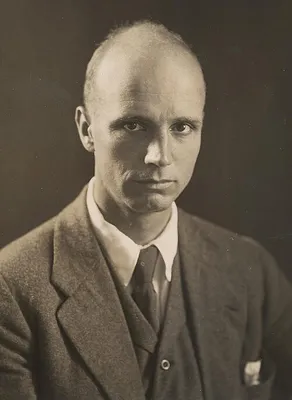
Rockwell Kent was an American artist, writer, and adventurer known for his mystical landscapes and bold style.
Rockwell Kent (1882–1971) was a multifaceted American artist, printmaker, illustrator, and writer, whose life was marked by adventure and a deep connection to the natural world. Born in Tarrytown, New York, he studied with prominent artists like William Merritt Chase and Robert Henri, developing a modernist style. Kent found profound inspiration in rugged and wild environments, including Monhegan Island, Maine, Alaska, Tierra del Fuego, and Greenland. His art from these remote locations often conveyed a Symbolist spirit, exploring the mysteries and grandeur of nature, reflecting his transcendentalist and mystical leanings.
Beyond painting and illustration, Kent authored several adventure memoirs, most notably "Wilderness." He also engaged in political activism later in his career, incorporating social commentary into his work. His artistic output spanned various mediums, from oil paintings and drawings to illustrations for books like "Moby-Dick" and decorative designs for ceramics. Kent's distinctive style, characterized by strong lines and dramatic compositions, left a lasting impact on American art.
Artistic Training and Early Influences
Rockwell Kent received formal artistic training from influential figures of his time. He studied composition and design with Arthur Wesley Dow and painting with William Merritt Chase at the Art Students League and the Shinnecock Hills Summer School of Art, respectively. Later, he enrolled in Robert Henri's class at the New York School of Art. His early studies were further enriched by an apprenticeship with Abbott Handerson Thayer, a painter and naturalist. Kent's undergraduate background in architecture at Columbia University also informed his artistic approach, preparing him for work as an architectural renderer. His early exhibitions, featuring paintings of Mount Monadnock and Monhegan Island, garnered critical attention for their modernist style and bold use of color and brushwork.
Inspiration from Wilderness and Mysticism
A transcendentalist influenced by Thoreau and Emerson, Kent sought inspiration in the stark beauty of wilderness. His extensive travels to remote locations such as Newfoundland, Alaska, Tierra del Fuego, and Greenland profoundly shaped his artistic vision. These forbidding landscapes became the subjects of his land and seascapes, which aimed to capture the Symbolist spirit and evoke the cosmic wonders of the natural world. Kent expressed a desire to depict the "elemental, infinite thing" and the "rhythm of eternity" in his art, moving beyond mere personal expression to explore universal themes through the lens of nature's grandeur and austerity.
Literary and Illustrative Works
Kent's experiences in remote regions also fueled his literary output. His memoir "Wilderness," compiled from letters sent home during his Alaskan expedition, was met with significant acclaim. He also produced notable illustrations for significant literary works, including a highly regarded three-volume edition of "Moby-Dick." Beyond his more serious literary endeavors, Kent demonstrated a talent for humor under the pseudonym "Hogarth Jr.," creating whimsical drawings for publications like Vanity Fair and Life. His illustrative work extended to magazine covers and decorative designs, showcasing his versatility across different artistic mediums.
Later Life and Political Engagement
In his later years, Kent became increasingly involved in progressive politics. This engagement sometimes found its way into his art, such as the murals for the U.S. Post Office building, which included a polemical statement supporting decolonization. Despite his critical views on certain aspects of American policy, Kent maintained a strong sense of patriotism and continued his artistic exploration of maritime themes. He established a lifelong residence in upstate New York at his farmstead, Asgaard, from which he continued to work on numerous projects, including paintings and drawings inspired by his Arctic adventures and reflections on American identity.
Key Ideas
- Exploration of the mystical and cosmic in nature
- Depiction of wilderness as a source of elemental truth
- Symbolist representation of natural grandeur and austerity
- Fusion of adventure, art, and personal philosophy
Notable Quotes
“I don't want petty self-expression”
“I want the elemental, infinite thing; I want to paint the rhythm of eternity.”
Books by Beatrix Potter Wendy Rasmussen
0 free public domain books · Read online or download
