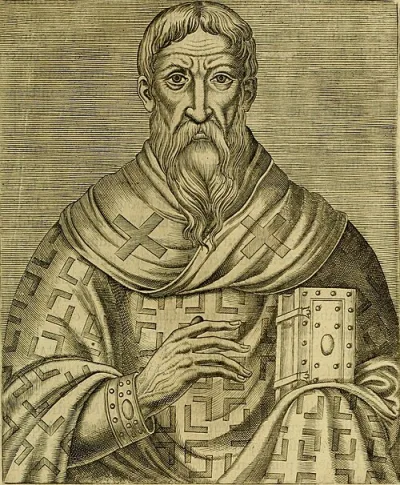
Bart D Ehrman Name Missing Bart D Ehrman
Pseudepigrapha refers to falsely attributed ancient texts, a concept relevant to biblical studies and authorship debates.
Pseudepigrapha describes writings attributed to an author who did not actually write them, or works where the author adopted a false identity. The term originates from Greek words meaning "false" and "inscription." In biblical studies, it commonly refers to a collection of Jewish religious works composed between approximately 300 BCE and 300 CE. These are distinct from books considered deuterocanonical or apocryphal by various Christian traditions. Scholars also apply the term to canonical texts where authorship is questioned, such as the Book of Daniel and the New Testament letter 2 Peter, as many scholars doubt their traditional attributions. The concept extends to other religious traditions, with some Muslims using it to describe hadiths they believe were falsely attributed to Muhammad.
Scholarly analysis identifies various levels of authenticity, ranging from literal authorship to outright forgery. These include dictation, delegated authorship, posthumous completion by disciples, apprentice authorship, honorable pseudepigraphy (where admirers write in a deceased leader's name to honor their tradition), and forgery. In New Testament studies, the Gospels are considered anonymous rather than pseudonymous, with names added later, while some scholars, like Bart D. Ehrman, argue that many New Testament writings were authored by unknown individuals and later ascribed to prominent figures.
Understanding Pseudepigrapha
Pseudepigrapha refers to ancient texts that bear the name of an author who did not actually write them. This can involve a work falsely attributed to a famous historical or religious figure, often indicated by a "pseudo-" prefix. Within biblical scholarship, the term specifically denotes a diverse group of Jewish religious writings produced roughly between 300 BCE and 300 CE. These texts are differentiated from the deuterocanonical books (accepted by Catholics and Orthodox Christians) and the Apocrypha (recognized by Protestants), which appear in certain ancient biblical canons but not the Hebrew Bible.
Authorship and Authenticity in Religious Texts
The concept of pseudepigraphy is also applied to texts within established canons where authorship is debated by modern scholars. For example, the Book of Daniel is widely believed by scholars to have been composed centuries after the prophet Daniel's purported lifetime, making it pseudepigraphic in that sense. Similarly, the New Testament letter 2 Peter is dated by many scholars to the early 2nd century, with early Christian figures like Origen expressing doubts about its authorship. This practice of attributing works to prominent figures, whether for authority or tradition, is a recognized phenomenon across ancient religious literature.
Scholarly Perspectives on New Testament Writings
In the study of the New Testament, scholars like Bart D. Ehrman suggest that only a portion of the Pauline epistles are genuinely authored by Paul, while many other New Testament writings were likely penned by unknown individuals and later attributed to well-known apostles or figures. The canonical Gospels of Matthew, Mark, Luke, and John, along with other texts like Acts and several Johannine epistles, are noted as being anonymous in their earliest manuscripts, with authorial names being added to the texts later in the tradition. This highlights a complex history of authorship attribution within early Christian literature.
Key Ideas
- Falsely attributed ancient texts
- Jewish religious works (c. 300 BCE - 300 CE)
- Distinction from deuterocanonical/apocryphal books
- Doubted authorship of canonical works (e.g., Book of Daniel, 2 Peter)
- Levels of authenticity from literal authorship to forgery
- Anonymous vs. pseudonymous New Testament texts
Books by Bart D Ehrman Name Missing Bart D Ehrman
0 free public domain books · Read online or download
