Ba Chtold Sta Ubli Hanns
Kobolds are German household spirits, known for helpfulness, pranks, and cruel retribution when mistreated.
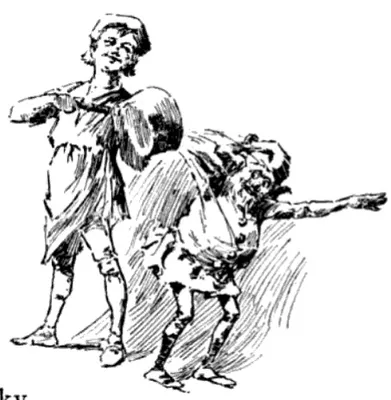
Kobolds are a type of household spirit originating in German folklore, often depicted as invisible beings capable of performing domestic tasks like kitchen chores or stable work. While generally helpful, they are also known for their mischievous and prankish nature. Offerings, such as milk and bread, were traditionally given to appease them and ensure good behavior. However, kobolds could become extremely cruel and vengeful if mistreated or offended.
Various subtypes and related figures exist, including the hütchen (known for its red cap), Hinzelmann (a shapeshifter), and the Schrat (associated with woods and mines). The Klabautermann, a spirit aboard ships, is sometimes classified as a kobold. The exact nature and appearance of kobolds varied, with some traditions describing them as small children, while others noted red hair and beards. The etymology of the word 'kobold' is generally accepted to derive from Old High German terms meaning 'chamber ruler' or 'house ruler', linking them to ancient concepts of household deities.
Nature and Behavior
Kobolds are primarily recognized as household spirits within German folklore, capable of both benevolent and malevolent actions. They could invisibly make noises, akin to poltergeists, or assist with chores in the kitchen and stables. Their disposition often depended on their treatment; a kobold might accept offerings like milk for its services or good conduct. However, if mistreated, their retaliation was reputedly severe and cruel. Legends recount instances where kobolds dismembered kitchen boys or inflicted other harsh punishments as retribution for perceived offenses, highlighting a potent duality in their nature.
Manifestations and Related Spirits
Kobolds could manifest in various forms and were associated with several related spirits. Some were known for wearing distinctive pointy red caps, like the hütchen, Niss, or Puk. Hinzelmann was a notable shapeshifter, capable of appearing as a feather, various animals, or even a cat. The Schrat was categorized as both a wood and house sprite, sometimes aligning with kobold characteristics. Mine demons, known as kobel or Bergmännlein, were also sometimes conflated with kobolds, with Paracelsus linking them to earth elementals. The Klabautermann, a maritime spirit, is also occasionally classified as a type of kobold.
Etymology and Origins
The term 'kobold' is widely believed to stem from Old High German roots, specifically a compound word akin to 'kob' or 'kof' meaning 'chamber' or 'house,' combined with 'walt' signifying 'ruler' or 'power.' This etymology suggests an original concept of a 'household ruler' or 'spirit of the house.' While earlier theories linked it to Latin and Greek terms for demons, the Germanic origin is now the accepted standard. This linguistic evidence aligns with the idea of kobolds evolving from ancient household gods and hearth deities, localized spirits responsible for the well-being of a home.
Books by Ba Chtold Sta Ubli Hanns
0 free public domain books · Read online or download
