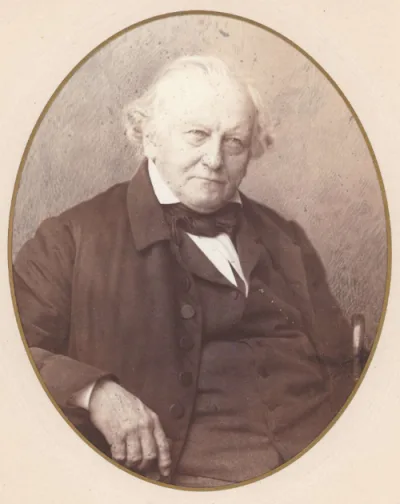
✍️ Author Biography
Ayer, V. A. K
📅 1947 – 2010
🌍 American
📚 0 free books
⭐ Known for: Language, Truth, and Logic (1936)
V. A. K. Ayer was a British philosopher known for his work in analytic philosophy and logical positivism.
Alfred Jules "A. J." Ayer, often referred to as A. J. Ayer or Freddie Ayer, was a prominent British philosopher. He was a leading figure in analytic philosophy and a key proponent of logical positivism. Ayer was known for his clear and accessible writing style, which made complex philosophical ideas understandable to a wider audience.
Throughout his career, Ayer held significant academic positions, including Grote Professor of the Philosophy of Mind and Logic at University College London and Wykeham Professor of Logic at the University of Oxford. His philosophical contributions primarily focused on epistemology, metaphysics, and the philosophy of language, advocating for empirical verification as the basis for meaningful statements.
Logical Positivism and Verificationism
Ayer is most famously associated with logical positivism, a philosophical movement that emphasized the importance of empirical evidence and logical reasoning. He played a crucial role in popularizing the movement's central tenet, the verification principle. This principle posits that a statement is meaningful only if it can be empirically verified or is a tautology (a statement that is true by definition). Ayer argued that metaphysical and theological claims, which could not be verified through sensory experience, were therefore meaningless.
Epistemology and the Nature of Knowledge
In epistemology, Ayer explored the nature of knowledge and belief. He defended a form of empiricism, asserting that all knowledge ultimately derives from sense experience. His work addressed the problem of induction, the challenge of justifying our beliefs about the future based on past observations. Ayer sought to provide a coherent account of how we acquire and justify our knowledge of the external world, grounded in observable phenomena.
Influence and Legacy
Ayer's influential book, 'Language, Truth, and Logic' (1936), became a foundational text for logical positivism and had a significant impact on 20th-century philosophy. His clear exposition and rigorous arguments made him a highly respected and sometimes controversial figure. While logical positivism itself faced criticism and evolved over time, Ayer's emphasis on clarity, logical analysis, and empirical grounding left a lasting mark on analytic philosophy.
Key Ideas
- Verification Principle: Statements are meaningful only if empirically verifiable or analytic.
- Empiricism: All knowledge originates from sense experience.
- Rejection of Metaphysics: Metaphysical claims are considered meaningless due to lack of empirical verification.