Ava Garza
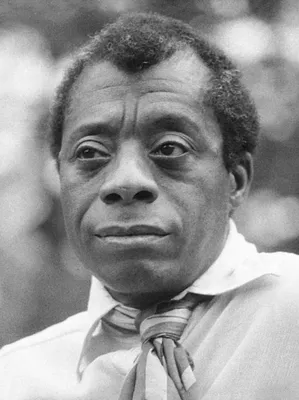
James Baldwin was a prominent American writer, activist, and orator known for his powerful essays, novels, and plays exploring race, sexuality, and social injustice.
James Arthur Baldwin, born in 1924, was a celebrated American author and civil rights activist whose writings spanned essays, novels, plays, and poetry. His work, including the acclaimed novel "Go Tell It on the Mountain" and the essay collection "Notes of a Native Son," deeply influenced discussions on human equality and race in mid-20th century America. Baldwin's narratives often delved into the complex interplay of personal dilemmas with social and psychological pressures, focusing on themes of race, class, masculinity, and sexuality.
His protagonists, frequently African-American and often exploring gay or bisexual identities, grappled with internal and external conflicts in their pursuit of self-acceptance and societal recognition. Baldwin's powerful oratory and public presence made him a significant figure during the civil rights movement. His literary contributions continue to resonate, with his unfinished manuscript adapted into the award-winning documentary "I Am Not Your Negro" and his novel "If Beale Street Could Talk" becoming a critically praised film.
Early Life and Influences
Born James Arthur Jones in New York City in 1924, Baldwin was raised by his mother, Emma Berdis Jones, who had moved north during the Great Migration to escape racial segregation. After Emma married David Baldwin, a laborer and preacher, James adopted his stepfather's surname. His upbringing was marked by poverty, discrimination, and a complex relationship with his stepfather, David, who was deeply religious and harbored significant anger towards white people. Despite these challenges, Baldwin found solace and intellectual stimulation in education and literature from a young age. His early teachers recognized his talent, encouraging his writing and directing him to the public library, which became a sanctuary. A pivotal influence was his white schoolteacher, Orilla Miller, who fostered his love for theater and is credited with helping him avoid developing deep-seated hatred for white people. He also encountered influential figures like Countee Cullen, a poet of the Harlem Renaissance, and worked on school publications, developing his voice as a writer.
Literary and Activist Career
Baldwin's literary career began with essays and novels that explored profound personal and social issues. His 1953 novel, "Go Tell It on the Mountain," and his 1955 essay collection, "Notes of a Native Son," established him as a significant voice addressing racial inequality and the human condition. His fiction often featured protagonists navigating complex social landscapes, with themes of race, sexuality, and class interwoven into intricate narratives. These works resonated with and influenced both the civil rights and gay liberation movements. Baldwin's powerful oratory and public engagement made him a key figure during the civil rights era, and his 1965 debate with William Buckley remains a landmark discussion on race in America. His continued impact is evident in adaptations of his work, such as the documentary "I Am Not Your Negro" and the film version of "If Beale Street Could Talk."
Key Ideas
- The intersection of personal identity (race, sexuality, class) with societal pressures
- The search for self-acceptance and social recognition amidst discrimination
- The complex nature of love, hate, and reconciliation, particularly within family and racial contexts
- The role of literature and public discourse in advancing civil rights and human equality
Notable Quotes
“in his outrageously demanding and protective way, he loved his children, who were black like him and menaced like him.”
Books by Ava Garza
1 free public domain book · Read online or download