Arrow Safety Device Company
Broken Arrow, Oklahoma, a growing city with a diverse economy, was named after a Creek Native American community.
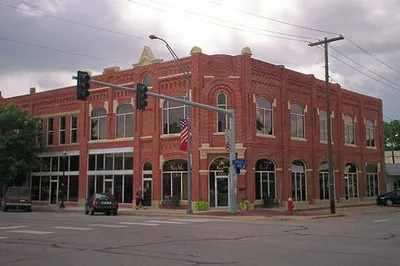
Broken Arrow is a significant city in Oklahoma, located in Tulsa and Wagoner counties, and serves as the largest suburb of Tulsa. Established in 1902 by the Missouri–Kansas–Texas Railroad, its name originates from a Creek Native American community displaced along the Trail of Tears. The original Creek settlement in the area was known as Rekackv, meaning "broken arrow" in the Muscogee language. Initially an agricultural center, Broken Arrow has evolved into a city with a diversified economy, notable for having the third-highest concentration of manufacturers in the state. Its population has grown considerably, particularly since the mid-20th century, transforming it from a small town into a bustling suburban area.
The city's development was spurred by infrastructure improvements like the Broken Arrow Expressway, facilitating its connection to Tulsa and encouraging residential and commercial expansion. This growth has led to significant economic diversification, with major employers and ongoing commercial developments. The city has actively pursued economic development strategies to foster local employment and commerce. Broken Arrow's geography places it in the Green Country region of northeastern Oklahoma, characterized by its varied topography and natural beauty. The climate is humid subtropical, featuring hot summers and variable winters.
Origins and Naming
The city of Broken Arrow owes its name to a historical Creek Native American community. Members of this community were compelled to relocate from Alabama to Indian Territory during the 1830s as part of the forced removals along the Trail of Tears. In their ancestral homeland, their community was known by the Muscogee name Rekackv, which translates to "broken arrow." After their relocation, they established a new settlement in what is now Oklahoma, naming it in honor of their former Alabama home. This new Creek settlement was situated a few miles south of the present-day downtown area of Broken Arrow.
Founding and Early Development
The formal establishment of Broken Arrow as a townsite occurred in 1902 when the Missouri–Kansas–Texas Railroad acquired land for development. William S. Fears, secretary of the Arkansas Valley Town Site Company, named the new settlement Broken Arrow, drawing inspiration from the nearby Creek community. The railroad line, completed in 1903, became a central feature of the city. For its initial decades, Broken Arrow's economy was primarily agrarian, supplemented by activity in the coal industry. The town saw gradual growth, with key institutions like its first school established in 1904 and a newspaper, the Broken Arrow Ledger, founded shortly thereafter. The Haskell State School of Agriculture also operated in Broken Arrow from 1909 to 1917.
Modern Growth and Economy
Beginning in the 1960s, Broken Arrow experienced a significant transformation from a small community into a rapidly expanding suburban city. The construction of the Broken Arrow Expressway provided a vital link to Tulsa, fueling this growth and population increase. By 2020, the city's population had reached over 113,000 residents, making it the fourth most populous city in Oklahoma. Today, Broken Arrow boasts a diverse economy, ranking third in the state for its concentration of manufacturing. The city is also actively engaged in economic development initiatives, aiming to attract businesses and create employment opportunities within the community, with notable employers and significant commercial developments contributing to its economic vitality.
Books by Arrow Safety Device Company
1 free public domain book · Read online or download