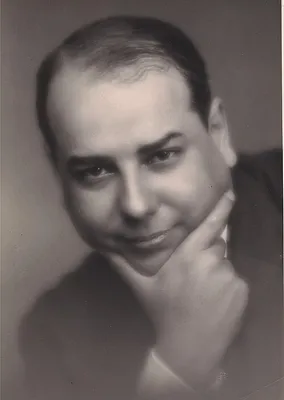
Ant Nio Carneiro
Mário de Sá-Carneiro was a key Portuguese modernist writer whose work explored psychological disturbance and avant-garde ideals.
Mário de Sá-Carneiro was a prominent Portuguese poet and writer, recognized as a leading figure of the Geração de Orpheu (Orpheu Generation). Born into a well-off family, his early life was marked by the loss of his mother and subsequent upbringing by his grandparents. He displayed a precocious talent for writing and translation from a young age, showing an early interest in authors like Victor Hugo, Goethe, and Schiller. His formal education in law at Coimbra was brief, but it led to a pivotal friendship with Fernando Pessoa, who introduced him to Lisbon's modernist circles.
Sá-Carneiro later moved to Paris, where he pursued studies at the Sorbonne but largely engaged in a bohemian lifestyle. It was in Paris that he collaborated with Pessoa and Almada Negreiros on *Orpheu*, a revolutionary literary journal that introduced modernism to Portugal and caused a stir due to its avant-garde influences and idealistic futurism. The journal, however, only managed to publish two issues due to financial difficulties and controversy. Sá-Carneiro's life was tragically cut short when he died by suicide in Paris in 1916, amidst growing financial and psychological distress.
Literary Contributions and Orpheu
Mário de Sá-Carneiro was a central figure in the Geração de Orpheu, a movement that significantly impacted Portuguese literature. Alongside Fernando Pessoa and Almada Negreiros, he contributed to *Orpheu*, a journal that championed cosmopolitanism and European avant-garde aesthetics. Its publication was met with controversy, challenging the prevailing societal norms with its futuristic idealism. Despite its brief existence, with only two issues published, *Orpheu* is now considered a landmark in Portuguese modernism. Sá-Carneiro's own literary output, including novellas and poetry, reflected the avant-garde spirit of the era, often delving into themes of psychological complexity and internal disturbance, as seen in works like *A Confissão de Lúcio* and *Céu em Fogo*.
Personal Life and Psychological Landscape
Sá-Carneiro's life was characterized by a deep engagement with existential themes and personal struggles. After leaving his studies in Paris, he adopted a bohemian existence, marked by financial difficulties and profound depression. His close relationship with Fernando Pessoa was a constant throughout his life, as evidenced by their shared literary ambitions and their correspondence. The source material highlights his dramatic contemplation of suicide in a letter to Pessoa, revealing the extent of his unhappiness. Ultimately, Sá-Carneiro died by suicide at the age of 25, a tragic end that occurred before the third issue of *Orpheu* could be published. His writings, such as *Céu em Fogo*, are noted for their exploration of inner obsessions and disturbances, offering a glimpse into his troubled psychological state.
Key Ideas
- Avant-garde experimentation in Portuguese literature
- Cosmopolitanism and European modernist influences
- Exploration of psychological disturbance and inner conflict
Notable Quotes
“Unless there occurs a miracle, next Monday, March (or even the day before), your friend Mário de Sá-Carneiro will take a strong dose of strychnine and disappear from this world.”
Books by Ant Nio Carneiro
0 free public domain books · Read online or download
