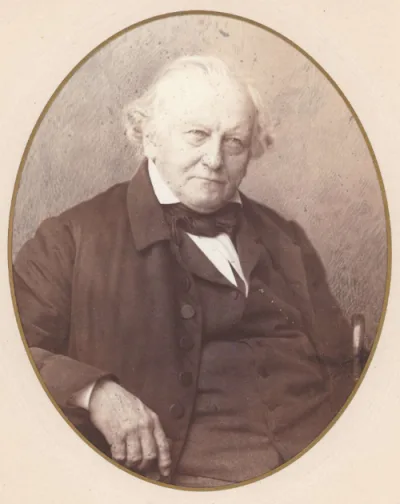
✍️ Author Biography
Anon ymous
📅 1583 – 1625
🌍 English
📚 2 free books
⭐ Known for: The Silver Swan (c. 1612)
The Silver Swan is a renowned early Baroque madrigal by Orlando Gibbons, notable for its text painting and poetic theme.
Orlando Gibbons's "The Silver Swan," composed around 1612, stands as a celebrated example of English madrigals from the early Baroque era. This five-voice piece, featured as the opening work in Gibbons's "First Set of Madrigals and Motets of 5 parts," is his most recognized song and is highly admired.
The madrigal's musical style is generally conservative, drawing comparisons to his elder contemporary William Byrd rather than more progressive composers of the English Madrigal School. However, it contains a notable exception where an augmented fifth chord is dramatically employed on the word "death" to create a specific textual effect, illustrating the legend of swans singing only before they die. The poem's author remains unknown, with speculation pointing to Hatton or Gibbons himself, or perhaps an inspiration from Italian models. The text has since been reinterpreted by various 20th and 21st-century composers.
Composition and Publication
Published in 1612 by Thomas Snodham in London, "The Silver Swan" was part of Orlando Gibbons's "First Set of Madrigals and Motets of 5 parts." This collection formed a significant portion of his secular vocal output and was dedicated to Gibbons's patron, Sir Christopher Hatton, who provided financial backing for the project. Gibbons utilized Hatton's London residence as a place for composition, indicating a close relationship. The publication was among Gibbons's few issued during his lifetime, alongside other works for keyboard and vocal collections.
Musical Characteristics
Scored for five voices (cantus, quintus, alto, tenor, and bass), "The Silver Swan" is characterized by its largely conservative contrapuntal writing, reminiscent of William Byrd. However, the piece features a striking moment of text painting on the word "death," where an augmented fifth chord with an unprepared dissonance is used for dramatic effect. This departure from traditional harmonic practice has been a point of discussion among editors, though modern interpretations accept this dissonance. The madrigal's structure and the repeated B section have been likened to the style of lute composers like Thomas Campion and John Dowland.
Poetic Theme and Authorship
The text of "The Silver Swan" is a "swan song," embodying the myth that swans sing their most beautiful melody only just before dying. This theme has long served as a metaphor in art, connecting creativity with mortality. The identity of the poem's author is uncertain; suggestions include Christopher Hatton or Gibbons himself, though no definitive evidence exists. It is also possible the text was inspired by earlier Italian poems on the same subject. The anonymity of the author contributes to the poem's enduring appeal, allowing for a direct connection with the reader across time.
Key Ideas
- Swan song trope
- Text painting in music
- Anonymity in poetry