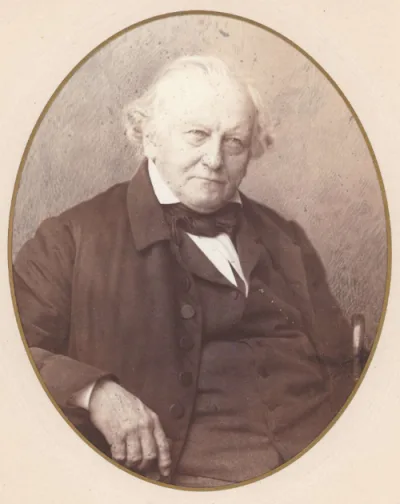
✍️ Author Biography
Anne Selten
📅 1895 – 1897
🌍 English
📚 1 free book
⭐ Known for: Das edle Waidwerk und der Lustmord (1897)
Magnus Schwantje was a German author and activist for pacifism, animal rights, and vegetarianism.
Magnus Ernst Schwantje, born in 1877 in Germany, was an author and activist dedicated to pacifism, animal rights, and vegetarianism. Despite leaving secondary school early due to family financial struggles, he pursued an apprenticeship in bookselling and self-taught several languages. Schwantje's ethical convictions were rooted in rational thought rather than religious doctrine, stemming from a strong sense of compassion for animals developed in his youth. He was deeply affected by the cruelty he witnessed and vowed to campaign against practices like vivisection. His early career involved exposure to Theosophy, though he later distanced himself from it. Schwantje founded organizations focused on ethical principles and animal protection, including the 'Alliance for Radical Ethics.' He was also a co-founder of the 'Alliance of Enemies of Military Service' and published a peace-advocating journal. His activism led to persecution under the Nazi regime, including house searches and arrest, prompting his emigration to Switzerland. Upon returning to Germany after the war, he continued his advocacy until his death in 1959.
Ethical Framework and Animal Rights Advocacy
Schwantje developed a concept of 'radical ethics' aimed at addressing societal ills at their root, with a central focus on animal rights. He posited that any being capable of suffering should be considered a legal entity, regardless of species. His core tenets included advocating for a vegetarian diet, the abolition of vivisection, and the cessation of hunting. Schwantje himself adhered to a strict vegetarian diet, which could be described as veganism today, motivated primarily by ethical considerations rather than naturalistic arguments. He also argued against generalizing negative traits to entire groups of people, such as associating specific nationalities with animal cruelty, and vehemently opposed antisemitism and racism.
Activism and Persecution
Schwantje's activism began with the founding of the 'Society for the Promotion of Animal protection and Similar efforts' in 1907, later renamed the 'Alliance for Radical Ethics,' which operated until 1933. He also contributed to the peace movement by co-founding the 'Alliance of Enemies of Military Service' and publishing articles in pacifist journals. His outspoken views and activism brought him into conflict with the Nazi regime. Following the prohibition of his organization and house searches in 1933, Schwantje was arrested and interrogated in a Gestapo concentration camp. To escape further persecution, he emigrated to Switzerland in 1934, where he supported efforts against vivisection. He returned to Germany in 1949 and resumed his work until his death.
Philosophical Contributions and Influence
Schwantje's philosophical contributions are recognized by modern advocates of antispeciecism, who view him as a precursor to their movement. He critically examined the function of speciesistic ideology, arguing that human contempt for animals often stems from the desire to exploit them, drawing parallels to the historical undervaluation of workers, women, and other oppressed groups. In a 1927 speech, he articulated how the recognition of animals' higher mental capacities and suffering would challenge human exploitation, leading to a conscious devaluation of animals to justify their treatment. His work explored the interconnectedness of ethical issues, linking animal rights, vegetarianism, and pacifism.
Key Ideas
- Radical Ethics: Addressing the root causes of societal problems, with animal rights as a primary component.
- Sentient Beings as Legal Entities: The concept that any being capable of suffering should possess legal standing.
- Critique of Speciesism: Analyzing how species-based ideology facilitates the exploitation of animals and other groups.
- Interconnection of Ethical Movements: Linking animal rights, vegetarianism, and pacifism as unified ethical principles.
Notable Quotes
“For most people however, especially for meat-eaters, it's hard to judge animals in an unbiased manner, because they realize, that they must not exploit them as they do today, if they must acknowledge their higher mental qualities, especially an acute ability to suffer. Precisely because humans gain big profit through exploiting animals, they despise them. Today's contempt of animals has the same cause as the undervaluation of workers, of women, of Negroes and other oppressed and exploited human beings. Every time humans want to exploit other humans, they tend to suggest views about these humans, that facilitate the exploitation for them.”