Annabella M. Journals
Anne Brontë's second novel, The Tenant of Wildfell Hall, explores marital abuse and a woman's fight for independence.
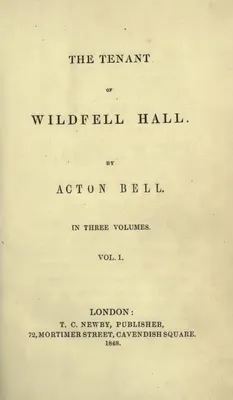
Anne Brontë's novel, The Tenant of Wildfell Hall, published in 1848 under the name Acton Bell, tells the story of Helen Graham, a mysterious widow who arrives at the isolated Wildfell Hall with her young son. The narrative unfolds through letters from Gilbert Markham, who becomes intrigued by Helen. As Gilbert learns more about Helen, he discovers she has fled a deeply abusive marriage to the dissolute Arthur Huntingdon. Helen's pursuit of an independent life, including earning money as an artist, defied the social expectations of the early 19th century and led to her ostracization. The novel is recognized for its candid portrayal of marital conflict, women's professional lives, and its underlying theme of universal salvation, a belief held by Brontë. It is now widely considered one of the earliest feminist novels for its depiction of a woman leaving her husband and seeking legal protection for herself and her child, actions that violated contemporary social norms and laws.
Inspiration for the novel's characters and themes can be found in the author's own life and family. Aspects of Helen's abusive husband, Arthur Huntingdon, are believed to mirror some traits of Brontë's brother, Branwell, particularly his struggles with alcoholism and perceived moral failings. Additionally, the story of Mrs. Collins, a woman who sought advice from Anne Brontë's father regarding an abusive husband and was encouraged to leave him, may have also informed the narrative. The novel's setting, Wildfell Hall, is thought by some scholars to be inspired by Ponden Hall in West Yorkshire.
Narrative Structure and Themes
The Tenant of Wildfell Hall is structured as a series of letters from Gilbert Markham to his friend, recounting his encounters with the enigmatic Helen Graham. The novel delves into the harrowing realities of marital abuse, a subject considered shocking for its time. Helen's decision to leave her husband and protect her son from his harmful influence, including his alcoholism and moral decay, was a radical act against the conventions and laws of the early 19th century. This defiance positions the novel as a significant early work of feminist literature, highlighting a woman's agency and her right to escape a destructive domestic situation. Brontë also weaves in her philosophical beliefs, particularly her conviction in universal salvation, suggesting a hopeful outlook on redemption and spiritual reconciliation.
Character Inspirations and Social Commentary
The characters in The Tenant of Wildfell Hall are believed to draw from real-life individuals and social circumstances. Arthur Huntingdon, Helen's abusive husband, shares traits with Anne Brontë's brother, Branwell, including issues with alcohol and a self-destructive lifestyle. The plight of Mrs. Collins, a woman who received counsel from Anne's father to leave an abusive husband, also appears to have influenced the novel's plot, particularly Helen's eventual escape. The novel critiques the societal constraints placed upon women, particularly within marriage, and examines the devastating impact of alcoholism and moral corruption on individuals and families. By portraying Helen's struggle for independence and her pursuit of artistic work, Brontë commented on the limited professional opportunities available to women and their potential for self-sufficiency.
Key Ideas
- Feminist themes and women's independence
- Critique of marital abuse and alcoholism
- Universal salvation
Books by Annabella M. Journals
0 free public domain books · Read online or download