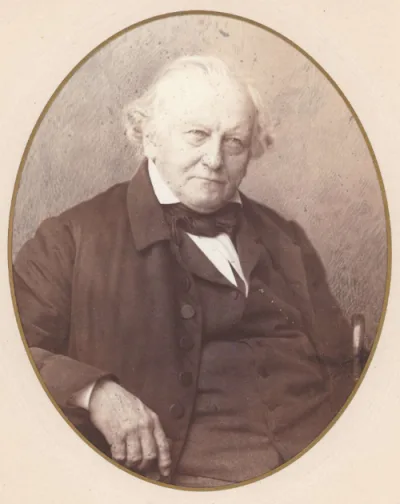
Andres Engracia
Andres Engracia is an author from the Dominican Republic whose work is part of a rich literary tradition.
The literature of the Dominican Republic encompasses works created within the country and by its expatriates, spanning from the colonial era to the present. This literary landscape reflects the nation's history, including its independence, and the diverse cultural influences of Spanish, African, and Taíno heritage, further shaped by successive waves of emigration. While various literary forms like poetry, novels, short stories, and essays have been cultivated, poetry has historically been a dominant and evolving genre, particularly since the 20th century's avant-garde movements. Novels, though developing later, have explored themes such as sugarcane, biblical narratives, and local customs. The essay has served as a significant platform for intellectual discourse, with prominent figures contributing to political and academic spheres. The literary scene continues to seek broader recognition, showcasing the nation's unique cultural identity.
Dominican Literary Landscape
Dominican literature is characterized by its exploration of national identity, shaped by a confluence of Spanish, African, and Taíno influences, alongside the impact of emigration. The literary output spans historical periods, from the colonial era to modern times, with authors contributing to various genres. Poetry, novels, short stories, and essays have all played a role in articulating the country's political, social, and economic discourse. The evolution of Dominican literature is marked by its engagement with both local realities and international literary currents, initially from Europe and the Americas, and later including influences from the Far East in late 20th-century works.
Poetry's Prominence and Evolution
Poetry stands out as a highly cultivated genre within Dominican literature, with significant development through the 19th and 20th centuries. While the 19th century saw robust contributions, the 20th century marked a period of maturity and the emergence of avant-garde movements. Early romantic poets paved the way for modernism, influenced by European literary trends. Later movements, such as posthumism and the Surprised Poetry movement, introduced nationalist themes and a focus on universal humanity, respectively. Subsequent generations, including the Independents of '40 and the Generation of '48, continued to innovate, with significant poetic output continuing through the 1970s and beyond, reflecting societal changes and exploring diverse thematic and stylistic approaches.
Development of Novels and Short Stories
The Dominican novel, while developing later than poetry and short stories, has explored distinct thematic periods, often linked to the nation's historical context rather than strict literary movements. Early novels, such as 'El montero' and 'Los amores de los indios,' emerged in the mid-19th century. The genre has been categorized into periods before and after 1930, and again after 1960, reflecting national historical events. The short story, however, has held a more significant position, with Juan Bosch recognized as a master of the genre in Latin America. The modern short story gained traction in the latter half of the 19th century, with significant collections emerging throughout the 20th century.
Books by Andres Engracia
1 free public domain book · Read online or download