Ancient Mystical Order Rosae Crucis (AMORC)
AMORC is a large Rosicrucian organization tracing its roots to early 17th-century European esoteric manifestos.
The Ancient Mystical Order Rosae Crucis (AMORC) is a significant modern organization within the broader Rosicrucian movement. Rosicrucianism itself emerged in early modern Europe during the early 17th century, sparked by the publication of anonymous manifestos that announced the existence of a secret society. These texts, including the Fama Fraternitatis Rosae Crucis and Confessio Fraternitatis, drew heavily on Hermeticism, Christian mysticism, and Qabalah, promising a reformation of mankind through esoteric knowledge.
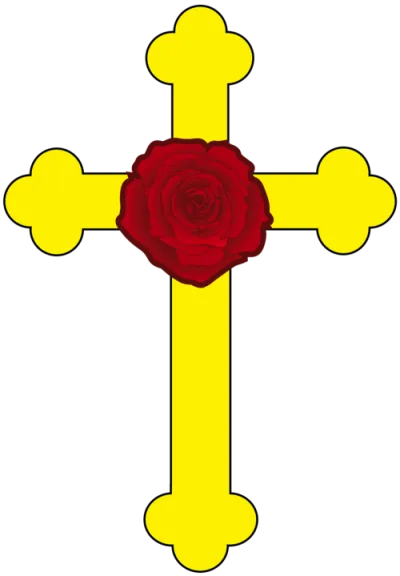
While the historical existence and nature of the original Rosicrucian brotherhood remain subjects of debate, with figures like Johann Valentin Andreae associated with the writings and sometimes describing them as a parody, the ideas presented captured the imagination of many intellectuals and occultists of the era. The movement's symbolism, particularly the Rose Cross, became widely recognized. Over centuries, various organizations have claimed lineage from these early Rosicrucians, with AMORC being one of the most prominent and widespread contemporary groups.
Origins of the Rosicrucian Movement
The Rosicrucian movement originated in the early 17th century with the publication of several anonymous manifestos in Germany, beginning around 1614. These texts, such as the Fama Fraternitatis Rosae Crucis and the Confessio Fraternitatis, described a secret brotherhood dedicated to esoteric knowledge and a reformation of humanity. They synthesized elements from Hermeticism, Christian mysticism, and Qabalah, appealing to intellectuals of the time who were seeking deeper understanding of the universe and spiritual realms. A third text, the Chymical Wedding of Christian Rosenkreutz, published in 1616, added a symbolic narrative to the legend, though its authorship and interpretation have been debated, with some suggesting it was a literary work or even a critique.
Historical Reception and Influence
The Rosicrucian manifestos generated considerable excitement and controversy across Europe. Many were intrigued by the promise of hidden wisdom and spiritual transformation, especially during a period of religious and political upheaval. Figures like Michael Maier, Robert Fludd, and Thomas Vaughan engaged with the Rosicrucian worldview, interpreting it through alchemical and mystical lenses. The movement's ideas, though sometimes allegorical or metaphorical, spurred interest in esoteric studies and influenced the development of subsequent occult and spiritual organizations. The symbolism of the Rose Cross became a key identifier for these groups.
Modern Rosicrucian Organizations
Following the initial 17th-century stirrings, numerous organizations have claimed a Rosicrucian heritage. These groups have varied in their interpretations and practices, but many trace their lineage back to the foundational manifestos. Among the most significant contemporary Rosicrucian societies is the Rosicrucian Order, AMORC (Ancient Mystical Order Rosae Crucis). AMORC is a multinational organization that continues to explore and teach the principles associated with Rosicrucianism, including its philosophical, mystical, and esoteric dimensions, maintaining a presence through its headquarters in San Jose, California.
Key Ideas
- Spiritual and cultural movement influenced by Esoteric Christianity and Hermeticism.
- Announced the existence of a secret society in early modern Europe.
- Symbolized by the Rose Cross.
- Promised a universal reformation of mankind through esoteric knowledge.
- Drew upon Qabalah, Hermeticism, alchemy, and Christian mysticism.
Books by Ancient Mystical Order Rosae Crucis (AMORC)
2 free public domain books · Read online or download