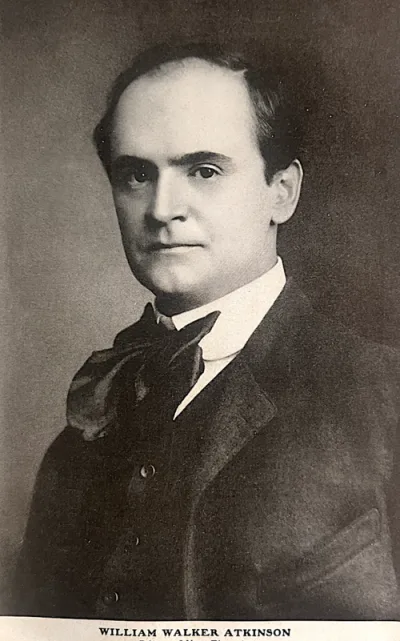
✍️ Author Biography
Aldo Alessandro Mola
📅 1651 – 1695
🌍 British
📚 1 free book
⭐ Known for: The Name of the Rose (1980)
Umberto Eco's "The Name of the Rose" is a historical mystery set in a 1327 Italian monastery, exploring semiotics, theology, and medieval studies.
Umberto Eco's debut novel, "The Name of the Rose," published in 1980, is a historical murder mystery set in a Benedictine abbey in Northern Italy during the year 1327. The story follows Franciscan friar William of Baskerville and his novice assistant Adso of Melk as they investigate a series of suspicious deaths within the abbey. The novel intricately weaves together elements of semiotics, biblical analysis, medieval history, and literary theory, creating a complex intellectual puzzle.
The narrative unfolds against the backdrop of a theological dispute between the Pope and the Franciscans regarding apostolic poverty. As William delves into the investigations, he encounters a cast of monastic characters, including the elderly, dogmatic Jorge of Burgos, who opposes laughter, and the cellarer Remigio. The mystery deepens with the discovery of a forbidden library and a lost manuscript by Aristotle concerning comedy, which becomes central to the unfolding events and the abbey's tragic fate. The novel achieved immense global success, selling over 50 million copies and receiving numerous international awards.
Theological and Philosophical Underpinnings
The novel is deeply embedded in theological and philosophical discourse, particularly concerning the Franciscans' debate over apostolic poverty with Pope John XXII. William of Baskerville, a former inquisitor, embodies rationality and empirical investigation, contrasting sharply with the dogmatism represented by Jorge of Burgos. Jorge's staunch opposition to laughter, which he views as a threat to divine order, highlights a core thematic tension. The search for a lost section of Aristotle's Poetics, which purportedly discusses comedy, becomes a central metaphor for suppressed knowledge and the potential subversion of rigid, self-sufficient truths. Eco, a professor of semiotics, uses these elements to explore themes of tolerance and the dangers of censorship, suggesting that books and stories perpetually refer to one another, echoing medieval citation practices within a postmodern framework.
The Labyrinthine Library and Semiotics
A significant element of "The Name of the Rose" is the abbey's labyrinthine library, a fortified structure housing a vast collection of manuscripts. This physical labyrinth mirrors the intellectual and narrative complexities of the novel. The library's restricted access, particularly the forbidden room known as the finis Africae, symbolizes hidden knowledge and the secrets guarded by the monastic order. William's investigation into the murders is intrinsically linked to uncovering the library's secrets and the contents of specific books. Eco's background in semiotics is evident in the novel's use of linguistic ambiguity, metafiction, and layered meanings, where signs and symbols are crucial to deciphering both the plot and the underlying philosophical arguments.
Postmodern Narrative and Ironic Conclusion
Described as a work of postmodernism, "The Name of the Rose" challenges traditional detective fiction tropes. The novel's conclusion, as Eco himself noted, is ironic: "very little is discovered and the detective is defeated." William of Baskerville, despite his deductive prowess, ultimately fails to impose a clear pattern or meaning on the series of deaths, which appear to result from a chaotic mix of accident, error, and deliberate action. This subverts the modernist quest for certainty and finality. The narrative's self-awareness, where "books always speak of other books," reflects the postmodern idea that texts are interlinked and refer to each other rather than solely to external reality.
Key Ideas
- Semiotics in fiction
- Biblical analysis
- Medieval studies
- Literary theory
- Metanarrative
- Linguistic ambiguity
- Postmodernism
- The nature of laughter
- Apostolic poverty
- Censorship vs. tolerance
Notable Quotes
“books always speak of other books, and every story tells a story that has already been told”
“very little is discovered and the detective is defeated.”
“was no pattern.”