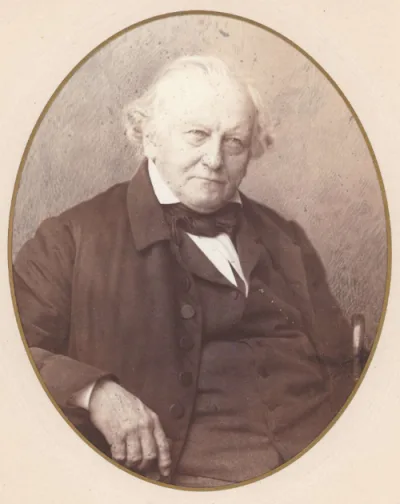
✍️ Author Biography
ALBRECHT, Bernhard.
📅 1931 – 1950
🌍 German
📚 0 free books
⭐ Known for: Frost (1963)
Thomas Bernhard was a prominent Austrian author known for his bleak, critical examination of culture and the human condition.
Thomas Bernhard, an Austrian novelist, playwright, poet, and polemicist, is recognized as a significant voice in German-language literature of the post-war era. His writings delved into themes such as death, isolation, obsession, and illness, reflecting a pessimistic outlook on humanity and a sharp critique of Austrian and European culture. Bernhard developed a unique prose style characterized by multiple viewpoints, distinctive vocabulary and punctuation, and extended monologues delivered by characters nearing mental breakdown.
Born in the Netherlands, Bernhard spent much of his youth in Austria and Nazi Germany, living with his maternal grandparents. His grandfather, novelist Johannes Freumbichler, profoundly influenced his early literary and philosophical development. A lifelong struggle with debilitating lung disease, contracted in his youth, also shaped his perspective. During his recovery in a sanatorium, he began writing and met Hedwig Stavianicek, a wealthy patron who became a crucial figure in his life and supported his literary pursuits. After his breakthrough novel "Frost" in 1963, Bernhard established himself as a major literary figure, producing acclaimed works like "Correction" and "Extinction," and his multi-volume memoirs "Gathering Evidence."
Early Life and Influences
Born in the Netherlands in 1931, Thomas Bernhard's early life was marked by instability. His unmarried Austrian mother eventually brought him to live with her parents in Austria. He never knew his biological father. Bernhard's maternal grandfather, novelist Johannes Freumbichler, became a significant influence, introducing him to literature and philosophy, and was described by Bernhard as an 'anarchist, if only in spirit.' Bernhard endured the Nazi school system, which he detested, and experienced boarding schools and wartime bombing raids. A severe bout of pleurisy and tuberculosis in his late teens led to prolonged hospital stays, during which he began writing. It was in a sanatorium that he met Hedwig Stavianicek, a wealthy heiress who became his lifelong supporter and was considered by Bernhard to be the most important person in his life.
Literary Style and Themes
Bernhard's literary output is notable for its distinctive prose style, often featuring protagonists on the edge of sanity delivering lengthy, obsessive monologues. He frequently employed multiple perspectives to explore characters and events, utilizing idiosyncratic language and punctuation. His work is characterized by a pervasive pessimism regarding the human condition and a scathing critique of post-war Austrian and European culture, targeting its perceived pretentiousness, provincialism, and historical amnesia. Common themes include death, isolation, obsession, and illness, often presented in a controversial and polemical manner.
Controversy and Legacy
Throughout his career, Bernhard was a controversial figure in Austria due to his public denunciations of the nation's cultural landscape, its alleged antisemitism, and its failure to confront its Nazi past. Critics often labeled him a "Nestbeschmutzer" (one who fouls their own nest), a label he embraced, preferring to see himself as a troublemaker. His works, such as the novel "Woodcutters," frequently sparked public debate and legal challenges. His legacy includes a profound influence on subsequent Austrian writers and a reputation as one of the most important German-language authors of his time, with George Steiner calling him 'at his best, the foremost craftsman of German prose after Kafka and Musil.'
Key Ideas
- Critique of post-war Austrian and European culture
- Pessimistic view of the human condition
- Exploration of death, isolation, obsession, and illness
- Distinctive prose style with long monologues and multiple perspectives
Notable Quotes
“We are Austrians, we are apathetic; we are life as crass disinterest in life; in the process of nature we are megalomania...”
“at his best, the foremost craftsman of German prose after Kafka and Musil”