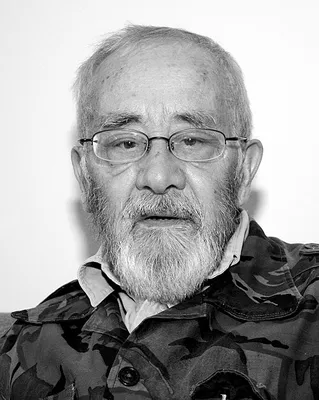
Alan Richardson
Alan Sillitoe was an English writer known for his working-class narratives, including "Saturday Night and Sunday Morning."
Alan Sillitoe was an English author, born in 1928 to a working-class family in Nottingham. His early life, marked by his father's difficult employment and the family's struggles, influenced his writing. After leaving school at 14, he worked at a bicycle factory and served in the Royal Air Force, including a period in Malaya. A tuberculosis diagnosis led to his early retirement on a pension, after which he lived abroad for several years.
His debut novel, "Saturday Night and Sunday Morning," published in 1958, gained significant attention for its portrayal of a young factory worker and the post-war disillusionment of the British working class. This novel, along with his short story "The Loneliness of the Long Distance Runner," was adapted into successful films. Sillitoe's work often explored themes of working-class life, rebellion, and societal constraints. He was recognized with honorary degrees and elected a Fellow of the Royal Society of Literature before his death in 2010.
Early Life and Influences
Born in Nottingham in 1928, Alan Sillitoe came from a working-class background. His father, who worked at the Raleigh Bicycle Company, faced unemployment and difficult conditions, which contributed to the family's hardship. Sillitoe left formal education at age 14 and subsequently worked at the same factory for four years. During this time, he was an avid reader and engaged in local relationships. His service in the Royal Air Force, including duty as a wireless operator in Malaya, provided further life experience before a tuberculosis diagnosis led to his early discharge and a period of recovery spent living in France and Spain.
Literary Career and Key Works
Sillitoe's literary career gained momentum while he was living in Mallorca. His first novel, "Saturday Night and Sunday Morning," was published in 1958 and depicted the life and attitudes of a young factory worker, reflecting the post-war societal landscape and limited opportunities for the working class. This work, along with his short story "The Loneliness of the Long Distance Runner" (which won the Hawthornden Prize), was adapted into popular films. His writing style was influenced by authors like Ernest Hemingway, favoring a direct and unadorned prose. He continued to publish numerous novels, short story collections, poems, and essays throughout his career.
Themes and Recognition
Sillitoe's literary output frequently centered on the experiences and challenges of the British working class, often depicting themes of rebellion against societal norms and economic limitations. His work resonated with readers and critics alike, leading to international recognition. He was particularly celebrated in the Soviet Union during the 1960s as a voice for the "oppressed worker." Despite this, he also publicly denounced Soviet human rights abuses during a visit. Sillitoe received honorary degrees from Nottingham Trent University and the University of Nottingham, and was elected a Fellow of the Royal Society of Literature in 1997.
Key Ideas
- Exploration of working-class life and post-war British society
- Themes of rebellion and disillusionment
- Direct prose style influenced by Hemingway
Notable Quotes
“A writer, if he manages to earn a living at what he's doing, even if it's a very poor living, acquires some of the attributes of the old-fashioned gentleman (if I can be so silly).”
Books by Alan Richardson
3 free public domain books · Read online or download