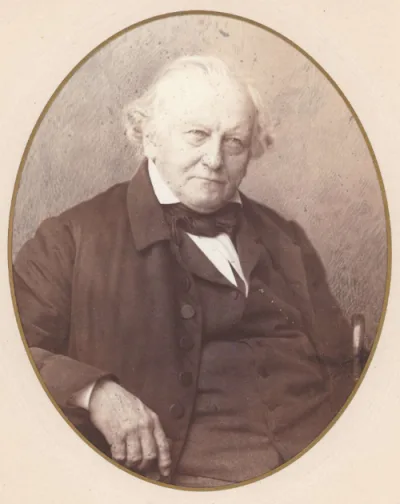
Franciscus Agricola (d. 1624) was a Neo-Latin author, contributing to the literary discourse of his time.
Franciscus Agricola, who died in 1624, was an author writing in the Neo-Latin idiom. This language served as a primary international and standardized means of communication for printed works across Europe, particularly for academic and religious discussions during the 16th and early 17th centuries. Authors writing in Neo-Latin often engaged with contemporary works from other nations and shared common cultural touchstones derived from Classical Roman and Greek texts, as well as later Christian writings. Although many Neo-Latin authors and their works are less recognized today, their study is crucial for understanding the historical progression of science, literature, and the development of vernacular literary traditions.
Neo-Latin literature and its significant contributors are identified and explored within various standard reference works. The field of Neo-Latin studies highlights authors like Agricola for their importance in poetry, the skillful use of Latin (Latinitinity), drama, and other prose forms. These authors are frequently subjects of ongoing academic research, underscoring their lasting impact on European intellectual history.