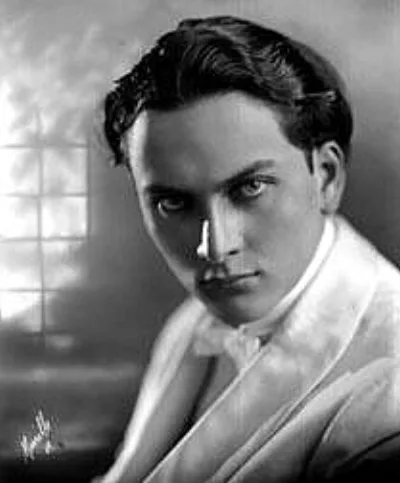
✍️ Author Biography
A. P. Coudert
🌍 American
📚 0 free books
⭐ Known for: Portrait of Czar Nicholas II (1899)
Amalia Küssner Coudert was an American artist known for her miniature portraits of prominent figures.
Amalia Küssner Coudert, born in Indiana in 1863, became a renowned American artist specializing in miniature portraits. Her subjects included notable figures from American and European society, royalty, and industry, spanning the late 19th and early 20th centuries. She studied art from a young age, developing her skills on ivory, and later pursued formal education in New York. Küssner Coudert established a successful career, painting over 200 miniatures, often emphasizing flattering portrayals of her clients. Her work gained significant attention, leading to commissions from wealthy families, actresses, and even European royalty, including the Russian imperial family and British aristocracy. While she maintained a public persona that sometimes presented her as younger than she was, her artistic talent was widely recognized. Her career saw a shift after her marriage in 1900, with fewer commissions, though she continued to paint notable figures like Czarina Alexandra Feodorovna and Alice Keppel. She passed away in Switzerland in 1932, leaving behind a legacy of detailed miniature artwork and a notable written account of her experiences painting the Russian Tsar.
Artistic Beginnings and Education
Born Amalia Küssner in Indiana in 1863 to German immigrants, she displayed an early artistic inclination. Her father, who ran a music shop, gifted her first miniature portrait on ivory at age twelve. She began sketching and painting miniatures of local subjects on ivory, sometimes using discarded piano keys. Küssner received formal art training at Saint Mary's Academy and later attended boarding school in New York. Upon returning to Terre Haute, she studied with a local tutor, became involved in the Decorative Arts Society, and opened her own studio, launching her career as a portrait miniaturist.
Rise to Prominence and Elite Clientele
Küssner's career gained significant momentum after she moved to New York City in 1891. She quickly established herself as a sought-after miniaturist, painting portraits of Manhattan's elite. Her typical works were small, oval miniatures on ivory, often capturing subjects in an idealized manner. Her clientele included prominent socialites, actresses like Lillian Russell, and members of wealthy families such as the Havemeyers and Armours. Her reputation grew, leading to newspaper coverage, though sometimes with inaccurate details about her age and background, which she strategically used for self-promotion.
Royal Commissions and International Recognition
By the mid-1890s, Küssner's artistic talent attracted international attention, leading to commissions from European aristocracy. Under the patronage of socialite Minnie Paget, she painted miniatures for British royalty and London society, including Consuelo Vanderbilt. Her work with the British royal family continued, notably painting the future King Edward VII. In 1899, she traveled to St. Petersburg, Russia, to paint portraits of Czar Nicholas II and Czarina Alexandra Feodorovna, as well as other members of the Russian imperial family. At the peak of her career, her earnings from these commissions were substantial.
Later Career and Personal Life
In 1899, Küssner also sought out Cecil Rhodes in southern Africa to paint his miniature portrait. Following her marriage to international lawyer Charles duPont Coudert in 1900, her output of portrait commissions decreased, though she did not entirely cease her artistic endeavors. Notable later works included a second portrait of Czarina Alexandra Feodorovna and a portrait of Alice Keppel. The couple lived a life of travel throughout Europe and owned art, even loaning a painting to the Metropolitan Museum of Art. They eventually purchased a Tudor castle in England.
Writings and Legacy
Amalia Küssner Coudert's legacy extends beyond her visual art. In 1906, she published an article in Century Magazine titled "The Human Side of the Tsar." This piece offered detailed insights into her experience painting Czar Nicholas II and Czarina Alexandra, describing their living quarters, interactions, and their use of English within the home. Her writings provide a unique perspective on the private lives of the Russian imperial family. She died in Switzerland in 1932, and her miniature portraits are held in several museum collections.
Key Ideas
- The art of miniature portraiture on ivory.
- Portraying elite and royal figures of the late 19th and early 20th centuries.
- Strategic self-promotion and managing public perception of one's age and career.
- Providing intimate glimpses into the lives of public figures through art and writing.