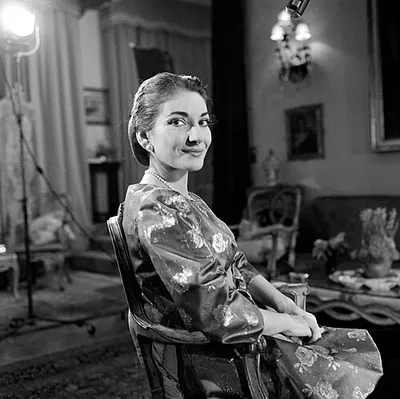
A D Panagi Tou
A. D. Panagiōtou is a name associated with the feminine given name Maria, its origins, and diverse cultural usage.
The name Maria, often associated with A. D. Panagiōtou, has deep historical and religious roots, stemming from the feminine form of the Roman name Marius and evolving into the Latinized version of Miriam, the mother of Jesus. Its usage is prominent in Christian traditions, appearing in the New Testament as a form of the Aramaic name Maryam. The name's popularity spread across the Roman Empire and subsequently influenced Germanic languages, where it is linked to the element 'mar' meaning 'famous'.
Maria has been a frequently used name in Southern Europe since medieval times and gained traction in Northern Europe after the Reformation. It is also occasionally used as a male middle name, particularly in Catholic regions, signifying devotion to the Virgin Mary. The name exhibits numerous variants and spellings across different languages and cultures, reflecting its widespread adoption. Its influence is also seen in the creation of compound names and titles related to Marian devotion.
Etymological Roots and Religious Significance
The feminine given name Maria finds its origins in multiple linguistic and historical streams. It was initially established as the feminine counterpart to the Roman cognomen Marius. Following the spread of Christianity, the name became the Latinized form of Miriam, the Hebrew name for Mary, the mother of Jesus. In the New Testament, Maria (Μαρία) is presented alongside Mariam (Μαριάμ), both reflecting the Syro-Aramaic Maryam, which itself derives from the Biblical Hebrew Miriam. Over time, the Latin Maria and the Hebrew-derived forms syncretized into a singular, widely recognized name.
Linguistic Variations and Cultural Adoption
The name Maria has been adopted and adapted across numerous cultures and languages. In Germanic languages, its presence is sometimes linked to the element '*mar*', signifying 'famous'. While predominantly feminine, Maria has also historically served as a male middle name in Central European countries, often as a tribute to the Virgin Mary, a practice mirrored by French speakers using Marie. The name's prevalence is evident in its diverse spellings, including Mária (Hungarian, Slovak), María (Spanish), Máire and Muire (Irish), Marija (Slavic languages), and transliterations like Marya from Cyrillic.
Historical Usage and Naming Conventions
Maria was a common given name in Southern Europe during the medieval period. This popularity led to naming conventions that included variations based on Marian titles, feast days, and apparitions, such as María de los Dolores or María del Carmen. Conversely, its rise in Northern Europe occurred later, post-Reformation. The name's significance within Christian tradition also fostered the development of popular compound names, combining Maria with other names like Anna, Luisa, Antonia, Helena, and Teresa. In modern times, its ranking has fluctuated, with the English variant Mary showing a more pronounced decline in recent decades.
Books by A D Panagi Tou
0 free public domain books · Read online or download
