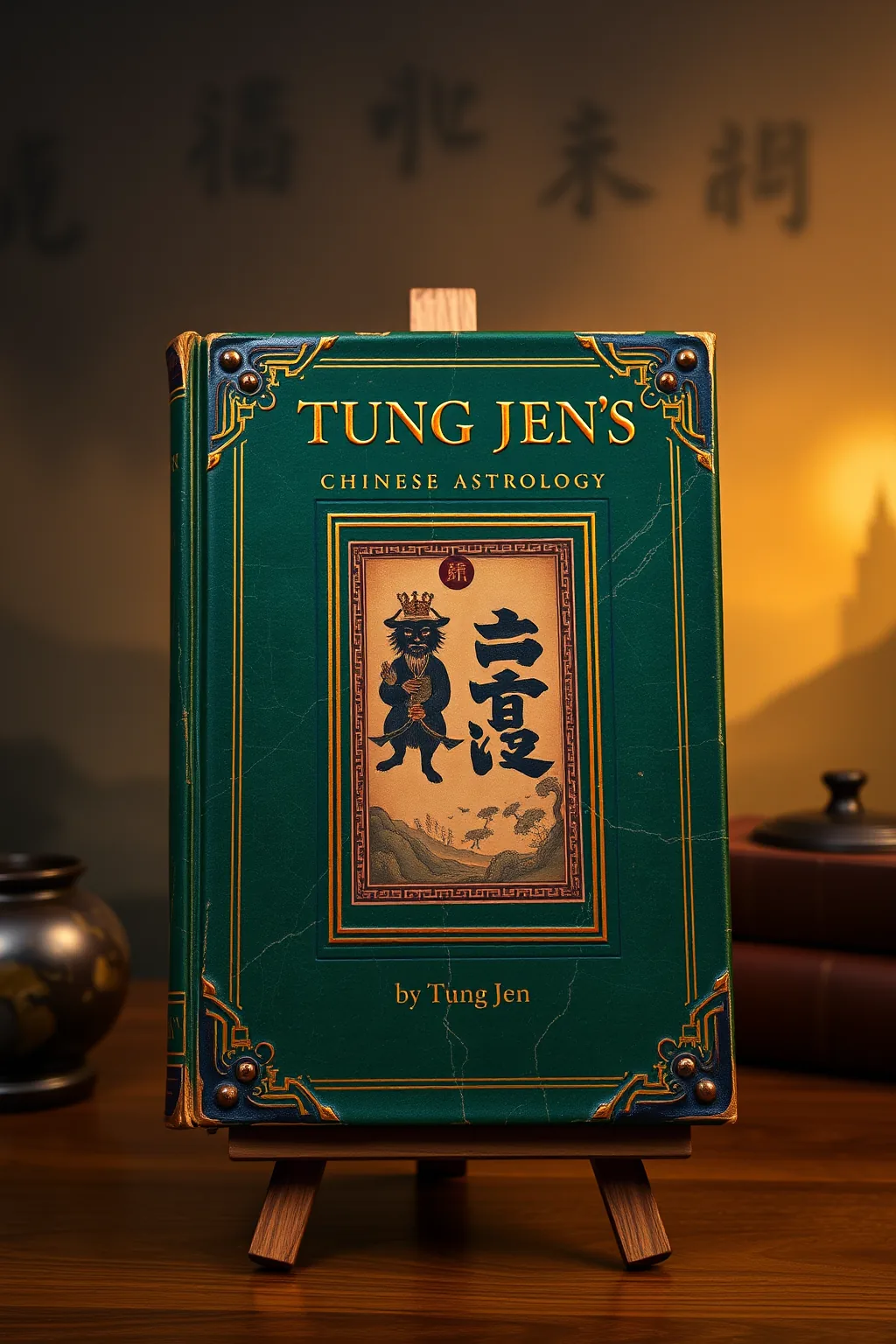
Tung Jen's Chinese Astrology
 61
61

Tung Jen's Chinese Astrology


Lorelei Sage, Contemplative Literature Editor — Tung Jen's Chinese Astrology is a masterclass in esoteric interpretation. Beyond mere prediction, this work illuminates the profound philosophical and spiritual dimensions inherent in the ancient Chinese astrological system. Jen masterfully decodes the complex interplay of elements, animals, and cosmic forces, revealing a sophisticated tapestry of destiny and character. Its strength lies in its ability to connect readers to the deeper currents of existence, fostering introspection and a holistic understanding of self within the universal order. Essential for serious students of Eastern metaphysics and anyone seeking a richer, more meaningful engagement with celestial patterns.
📝 Description
61
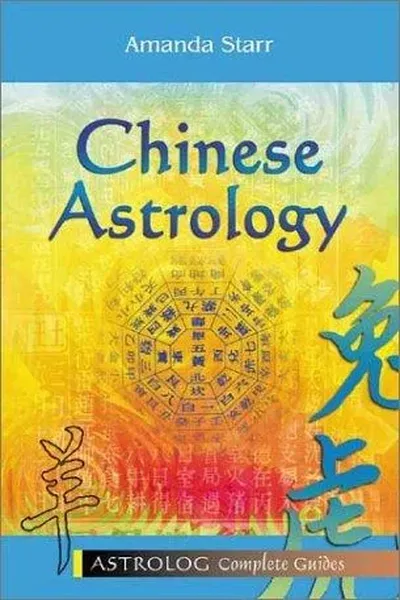
Tung Jen's Chinese Astrology, published in 1742, explains the core principles of this ancient divination system.
This book, written by Tung Jen, lays out the fundamental components of Chinese astrology. It details the twelve zodiac animals, the Five Elements, and the concepts of Yin and Yang. The text explains how these elements interact to shape human destiny and the energies of the universe. Each section aims to reveal the connections between different aspects of existence and the subtle forces influencing life. It is intended for those who wish to move beyond simple horoscope readings and understand the deeper philosophical basis of celestial influences. The work suggests a worldview where the cosmos holds inherent meaning, assisting individuals in their pursuit of self-knowledge, spiritual development, and alignment with the Great Tao.
Tung Jen's work is situated within the long tradition of Chinese cosmology and divination. It draws upon principles that have shaped Daoist thought and folk practices for centuries. Unlike Western astrology, which often focuses on individual personality traits, Chinese astrology emphasizes the cyclical nature of time and the interconnectedness of humanity with the natural world. The Five Elements and Yin/Yang are not merely descriptive but are active forces in constant flux, dictating relationships and outcomes. This book serves as an introduction to a system where celestial events are seen as reflections of universal patterns, guiding individuals toward harmony.
💡 Why Read This Book?
Uncover the ancient secrets of Chinese astrology, transcending simple horoscopes to grasp profound cosmic principles. This book is an essential key for seekers and scholars alike, offering a pathway to understanding destiny, character, and the subtle energies that govern existence. It provides practical tools for self-awareness and spiritual alignment, inviting a deeper connection with the universe's timeless wisdom.
⭐ Reader Reviews
Honest opinions from readers who have explored this book.
❓ Frequently Asked Questions
What makes Tung Jen's approach to Chinese Astrology unique?
Tung Jen's approach emphasizes the deep philosophical and spiritual underpinnings of Chinese astrology, moving beyond superficial predictions to explore the symbolic language of the cosmos and its influence on human consciousness and destiny.
Is this book suitable for beginners?
Yes, while rich in depth, the book is structured to guide both novice enthusiasts and experienced practitioners through the intricate concepts of Chinese astrology with clarity and profound insight.
What are the core components of Chinese Astrology covered in this book?
The book meticulously details the Twelve Zodiac Animals, the Five Elements (Wood, Fire, Earth, Metal, Water), Yin and Yang principles, and their complex interactions and influences on personality, relationships, and life paths.
How can this book aid in personal growth?
By understanding the archetypal energies and influences represented in your birth chart, you gain profound self-awareness, enabling you to navigate challenges, harness strengths, and align your life with your inherent potential.
Does the book offer practical applications?
Absolutely. It provides insights for understanding relationships, career paths, and personal development, offering a framework for making more informed choices and living in greater harmony with cosmic cycles.
🔮 Key Themes & Symbolism
The Cosmic Dance of the Twelve Animals
This section studies the archetypal energies of the twelve zodiac animals, revealing their symbolic representations of human traits, strengths, weaknesses, and inherent life paths. Each animal is presented not just as a birth sign, but as a potent force within the greater cosmic order, influencing relationships, career trajectories, and personal development. Understanding these animal archetypes offers a profound lens through which to view oneself and others, fostering empathy and insight into the intricate collection of human experience and its celestial correlations.
The Five Elements: The Foundation of Existence
Explore the profound interplay of the Five Elements – Wood, Fire, Earth, Metal, and Water – which form the fundamental building blocks of the universe according to Chinese cosmology. Tung Jen elucidates how these elements interact in cycles of creation and destruction, imbuing astrological charts with dynamic energies. This knowledge is crucial for understanding the energetic balance within an individual, predicting potential challenges, and identifying pathways to harmony and well-being by consciously working with these elemental forces.
Yin and Yang: The Universal Duality
Uncover the ancient philosophy of Yin and Yang as it permeates Chinese astrological interpretation. This theme explores the dynamic balance and interdependence of opposing yet complementary forces that shape all phenomena. Tung Jen demonstrates how the subtle interplay of Yin and Yang energies within a birth chart reveals an individual's inherent tendencies, emotional landscape, and potential for balance or imbalance, offering useful insights into achieving holistic well-being and spiritual integration.
💬 Memorable Quotes
Direct passages from the work, attributed to the author.
“Destiny is not a fixed path, but a river shaped by celestial currents and our own will.”
— This illustrates the book's nuanced perspective on fate, suggesting agency within astrological frameworks and the power of conscious choice in navigating one's life journey.
“Within the silent turning of the cosmos lies the echo of your soul's true nature.”
— This evokes the mystical connection between the individual and the universe, suggesting that astrological study can lead to profound self-realization and understanding of one's deepest essence.
“The Five Elements are the threads with which the collection of our lives is woven.”
— This metaphor emphasizes the fundamental and pervasive influence of the Five Elements in shaping all aspects of human existence and experience.
“To read the heavens is to read the deepest truths of oneself.”
— This captures the core esoteric principle that astrological study is a form of introspection, revealing the inner self through the symbolic language of the celestial realm.
💡 Key Ideas
Editorial paraphrase of the work's core concepts — not direct quotes.
The stars whisper secrets only the attentive heart can hear.
This quote highlights the book's emphasis on intuitive understanding and the idea that astrological knowledge is not merely intellectual but deeply spiritual and personal.
🌙 Esoteric Significance
Tradition
This work is deeply rooted in the esoteric traditions of Taoism and ancient Chinese cosmology. It draws upon principles of Qi (vital energy), the cyclical nature of time, and the belief in a fundamental interconnectedness between the micro- and macrocosms. The astrological system serves as a symbolic language, a 'sacred science,' for understanding the energetic blueprint of existence and the subtle forces that govern human life and the universe.
Symbolism
Key symbols include the Twelve Zodiac Animals, each representing specific archetypal energies and personality traits; the Five Elements (Wood, Fire, Earth, Metal, Water), signifying dynamic interactions and transformations; and Yin and Yang, representing the fundamental duality of existence. These symbols are not merely decorative but are potent carriers of meaning, forming a complex lexicon for interpreting the celestial influences on individual lives and the broader cosmos.
Modern Relevance
In an era often characterized by disconnection, Tung Jen's Chinese Astrology offers a profound pathway to reconnecting with natural cycles and cosmic rhythms. Its emphasis on balance, harmony, and understanding one's inherent nature provides invaluable tools for personal growth, stress management, and fostering a sense of belonging within the grander scheme of existence. The ancient wisdom presented serves as a timeless guide for reading through the complexities of modern life with greater self-awareness and spiritual depth.
👥 Who Should Read This Book
This useful text is a treasure for a diverse array of readers. Aspiring astrologers and seasoned practitioners of Eastern metaphysics will find a deep wellspring of knowledge to enrich their understanding. Spiritual seekers yearning for a more profound connection to the cosmos and their own destiny will discover invaluable insights. Scholars interested in comparative mythology, ancient wisdom traditions, and philosophical anthropology will appreciate the rich cultural and intellectual collection. Moreover, anyone curious about self-discovery and seeking a holistic framework for understanding personality, relationships, and life's journey will find this book an indispensable guide.
📜 Historical Context
Tung Jen's Chinese Astrology emerges from a rich tradition of astronomical observation and philosophical inquiry that spans millennia in China. Developed alongside Taoism and traditional Chinese medicine, the system was deeply intertwined with understanding the natural world, predicting agricultural cycles, and guiding governance. Ancient Chinese astronomers meticulously charted celestial movements, believing them to be direct reflections of cosmic order and human affairs. The development of the zodiac, the Five Elements, and the Yin-Yang philosophy provided a sophisticated framework for interpreting these celestial influences. This body of knowledge was not merely for divination but was integral to a holistic worldview that saw humanity as an intrinsic part of the universe, subject to its rhythms and capable of harmonizing with its energies. The enduring influence of this tradition speaks to its useful insights into the human condition and its enduring relevance.
📔 Journal Prompts
Reflect on the animal sign of your birth year. What are its core characteristics, and how do they manifest in your life?
Consider the interactions between your dominant elemental energies. Where do you find harmony, and where do potential conflicts arise?
How does the concept of Yin and Yang help you understand the dualities within your own personality or experiences?
Identify a recurring pattern in your life that might be symbolically represented by a specific astrological interaction described in the book.
What practical steps can you take to foster greater balance in your life, drawing inspiration from the principles of Chinese astrology?
🗂️ Glossary
Qi (Chi)
The fundamental life force or vital energy that permeates all things in the universe, according to Chinese philosophy and traditional medicine. It is believed to flow through meridians in the body and influence health and vitality.
Yin
In Taoist philosophy, the passive, feminine, dark, and receptive principle of the universe. It is associated with qualities like coolness, stillness, and introspection.
Yang
In Taoist philosophy, the active, masculine, light, and creative principle of the universe. It is associated with qualities like heat, motion, and outward expression.
Five Elements (Wu Xing)
The five fundamental elements or phases of change in traditional Chinese philosophy: Wood, Fire, Earth, Metal, and Water. They are believed to interact in cycles of creation and destruction, influencing all phenomena.
Ba Zi (Eight Characters)
Also known as the Four Pillars of Destiny, this is a form of Chinese astrology that analyzes a person's birth date and time to create a chart consisting of eight characters (four pairs of Heavenly Stem and Earthly Branch), used to determine destiny and fortune.
This book appears in 2 collections
🔮 Readers Also Liked
Browse all →









More by Tung Jen
All books →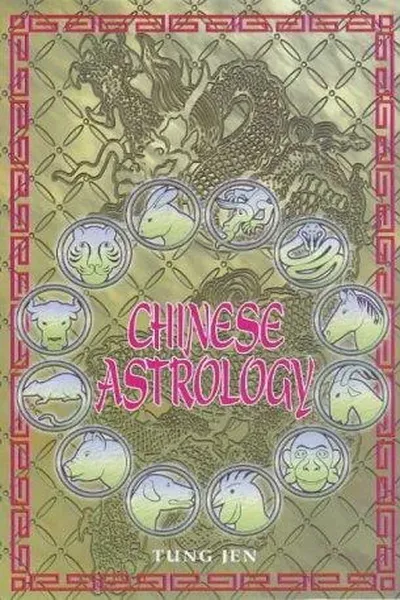


From the “Astrology” Collection
View all →





More Free Astrology & Cosmology Books
View all →