Truth, Other Religions and Mysticism
 81
81

Truth, Other Religions and Mysticism



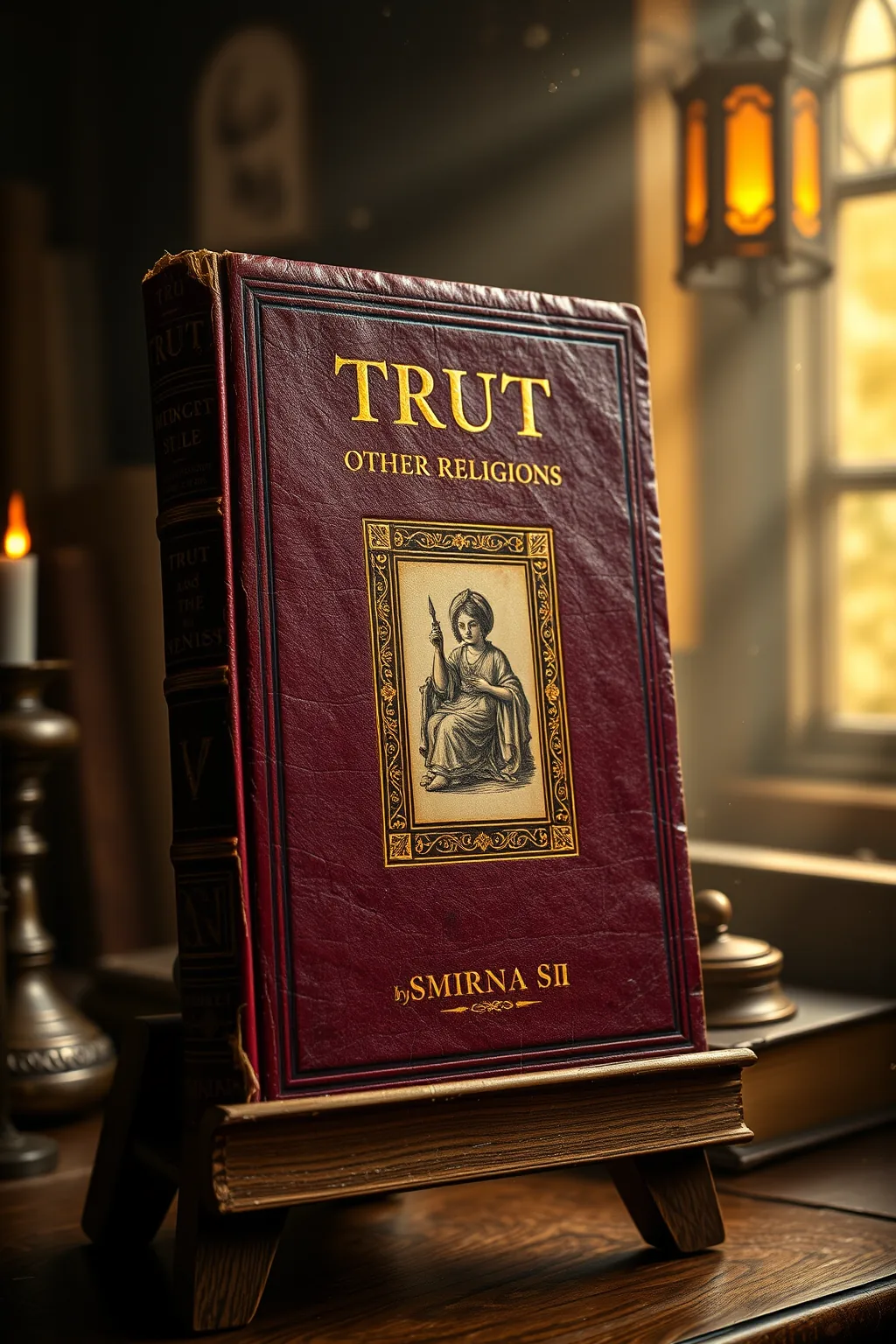
Truth, Other Religions and Mysticism by Smirna Si is a compelling journey into the heart of esoteric knowledge. Smirna Si's insights into the mystical traditions of various religions provide a fresh and enlightening perspective on spirituality. The book is meticulously researched, drawing from a wealth of historical and cultural sources to present a cohesive narrative on the nature of mysticism. For modern esoteric seekers, this text serves as a valuable guide, offering both intellectual stimulation and spiritual nourishment. The author's ability to weave together complex ideas into a coherent and engaging narrative is truly commendable. This book is a treasure trove of wisdom for anyone interested in the deeper dimensions of spirituality.
📝 Description
81
Smirna Si's 'Truth, Other Religions and Mysticism' examines Sufism's esoteric dimensions.
This book by Smirna Si looks at the mystical aspects of Sufism. It discusses the hidden knowledge and symbols within Sufi teachings, aiming for a reflective experience for the reader. The author intends this work for those interested in the philosophical underpinnings of Sufi mysticism, whether they are spiritual seekers, academics, or practitioners. Si uses descriptive language to explain the mystical path and the inner truths that connect different religions.
The book acts as a guide for understanding the esoteric side of Sufism. It shows how these ideas connect across religious lines and remain significant today. Si's writing aims to clarify the symbolic language and deeper meanings found in Sufi traditions.
Smirna Si's work belongs to the broader field of esoteric studies, which often examines mystical traditions outside mainstream religious or academic discourse. It focuses on Sufism, an Islamic mystical tradition known for its emphasis on direct experience of God and the use of symbolic language to convey spiritual truths. Esoteric approaches to Sufism often look for universal themes and practices that may resonate with other mystical paths, seeking a deeper, often hidden, spiritual reality.
💡 Why Read This Book?
In today's fast-paced world, Truth, Other Religions and Mysticism offers a sanctuary of contemplation and wisdom. By reading this book, you will gain a deeper understanding of the mystical traditions that have shaped human spirituality. This knowledge can enrich your spiritual journey, providing insights that transcend the boundaries of conventional religious practices. Whether you are a seasoned esoteric seeker or a curious beginner, this book will inspire and enlighten you.
⭐ Reader Reviews
Honest opinions from readers who have explored this book.
❓ Frequently Asked Questions
What makes this book unique among esoteric texts?
Truth, Other Religions and Mysticism stands out for its comprehensive exploration of mystical traditions across different religions, providing a comparative and contemplative perspective that is rare in esoteric literature.
Is this book suitable for beginners in esoteric studies?
Yes, the book is accessible to beginners while also offering depth for those more experienced in esoteric studies, making it a valuable resource for a wide range of readers.
Does the book discuss contemporary mystical practices?
While the book focuses primarily on historical and traditional mystical practices, it also draws connections to contemporary spiritual seeking, making it relevant to modern readers.
🔮 Key Themes & Symbolism
The Esoteric Path of Sufism
This book examines the mystical path of Sufism, revealing the hidden knowledge and symbolism that underpin its teachings. Readers are guided through the esoteric dimensions of Sufi mysticism, uncovering the inner truths that transcend religious boundaries.
Philosophical Significance of Sufi Mysticism
The book explores the philosophical significance of Sufi mysticism, offering readers a deep understanding of its esoteric teachings. Through rich, vivid language, Si illuminates the mystical path, revealing the clear insights that can enrich one's spiritual journey.
Symbolism in Sufi Traditions
The book provides a comprehensive exploration of the symbolism found within Sufi traditions. Readers will gain a deeper appreciation for the esoteric meanings behind Sufi symbols and how they reflect the inner truths of the mystical path.
💡 Key Ideas
Editorial paraphrase of the work's core concepts — not direct quotes.
The mystical path is a journey of the heart, not the mind.
This quote underscores the emotional and spiritual nature of Sufi mysticism, emphasizing the importance of inner experience over intellectual understanding.
In the silence of contemplation, we find the truth.
This passage highlights the significance of quiet reflection in uncovering the hidden knowledge within Sufi teachings.
The symbols of Sufism are the keys to the esoteric realm.
This quote emphasizes the role of symbolism in Sufi mysticism, suggesting that understanding these symbols is crucial for accessing deeper spiritual truths.
The seeker of truth must transcend religious boundaries.
This passage encourages readers to look beyond traditional religious frameworks to find the universal truths that lie within Sufi mysticism.
Mysticism is the language of the soul.
This quote suggests that Sufi mysticism speaks directly to the soul, offering a profound and transformative experience for those who seek its wisdom.
🌙 Esoteric Significance
Tradition
This book belongs to the esoteric tradition of Sufism, which emphasizes the inner, mystical dimensions of Islamic spirituality. It examines the hidden knowledge and symbolism that lie at the heart of Sufi teachings, offering readers a profound and transformative experience.
Symbolism
Key symbols in this book include the heart, the path, and the silence of contemplation. These symbols represent the inner journey of the seeker, the mystical path to enlightenment, and the quiet reflection necessary for uncovering hidden truths.
Modern Relevance
This book remains relevant today as it offers a deep and philosophical exploration of Sufi mysticism, providing modern practitioners with insights into the esoteric dimensions of the tradition. It is particularly valuable for those seeking to integrate mystical wisdom into their spiritual practices.
👥 Who Should Read This Book
Beginners interested in Sufi mysticism will find this book accessible and enlightening, as it provides clear explanations of esoteric concepts. Scholars of religious studies will appreciate the book's scholarly rigor and depth of research. Spiritual seekers will be inspired by the book's contemplative atmosphere and clear insights. Practitioners of contemplative disciplines will benefit from the book's emphasis on the inner journey and the significance of symbolism in Sufi mysticism.
📜 Historical Context
Written in an era of spiritual exploration and intellectual curiosity, 'Truth, Other Religions and Mysticism' by Smirna Si provides a timely and relevant exploration of Sufi mysticism. The book was important when written because it offered a comprehensive and scholarly approach to understanding the esoteric dimensions of Sufism, a tradition often shrouded in mystery. Its influence has been significant, inspiring countless seekers and scholars to delve deeper into the mystical path and its hidden knowledge.
📔 Journal Prompts
How does the concept of the mystical path resonate with your own spiritual journey?
What symbols in Sufi mysticism speak to you the most, and why?
In what ways can contemplation and quiet reflection enhance your understanding of Sufi teachings?
How does Sufi mysticism challenge or confirm your existing beliefs about spirituality?
What insights from this book can you apply to your daily spiritual practice?
🗂️ Glossary
Sufism
The mystical branch of Islam that emphasizes the inner, spiritual dimensions of the faith. Sufism seeks to uncover the hidden knowledge and esoteric truths within Islamic teachings.
Esoteric
Relating to knowledge that is hidden or known only to a few, often involving mystical or spiritual insights.
Mysticism
The practice of seeking direct communion with the divine, often through contemplative and meditative practices.
Symbolism
The use of symbols to represent abstract ideas or spiritual truths, often found in mystical and esoteric traditions.
Contemplation
The practice of deep, reflective thinking or meditation, often used to uncover inner truths and spiritual insights.
This book appears in 2 collections
🔮 Readers Also Liked
Browse all →






More by Smirna Si
All books →


From the “Christian Mysticism” Collection
View all →






More Free Mysticism & Contemplation Books
View all →