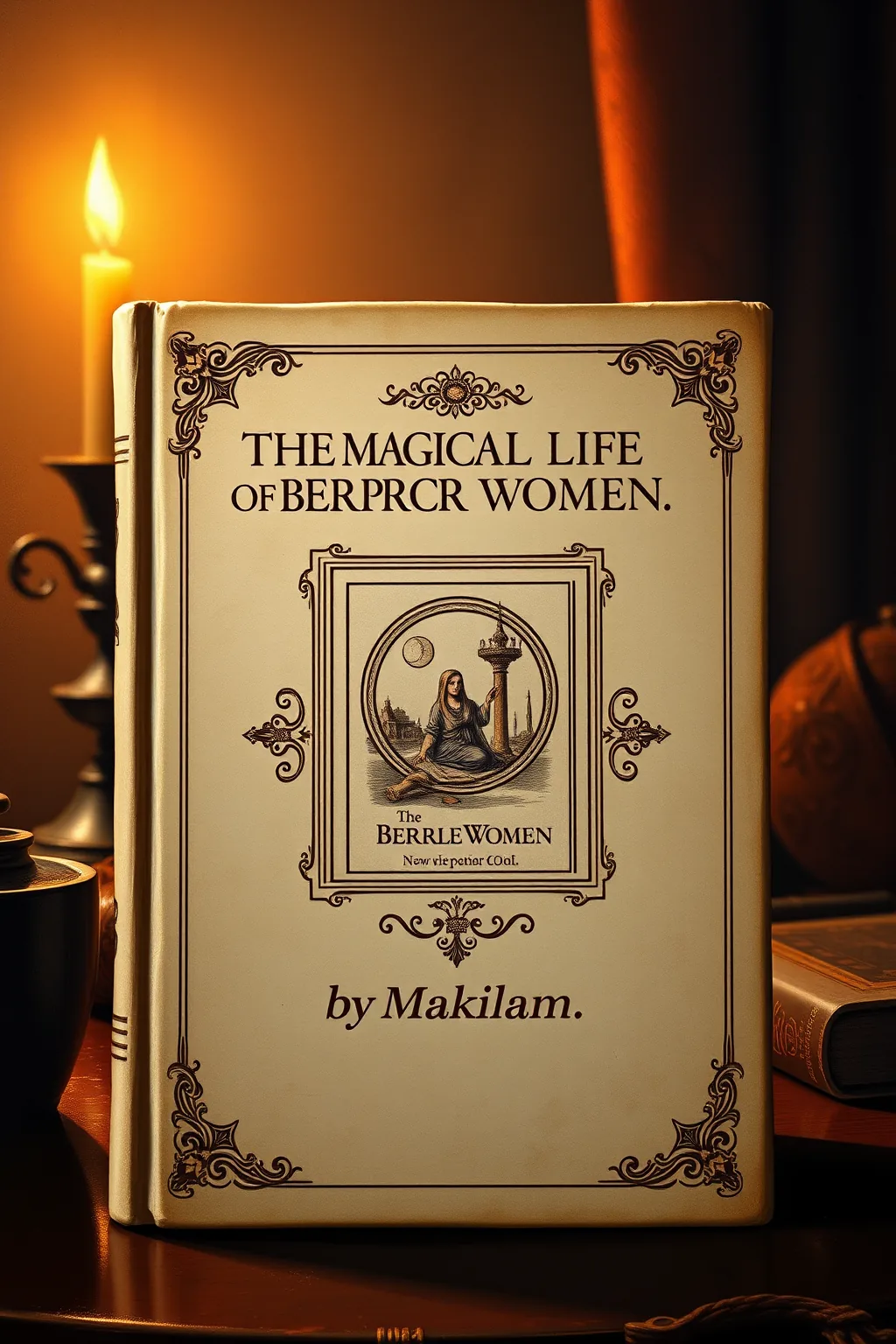
The Magical Life of Berber Women in Kabylia (Francophone Cultures and Literatures)
 62
62

The Magical Life of Berber Women in Kabylia (Francophone Cultures and Literatures)

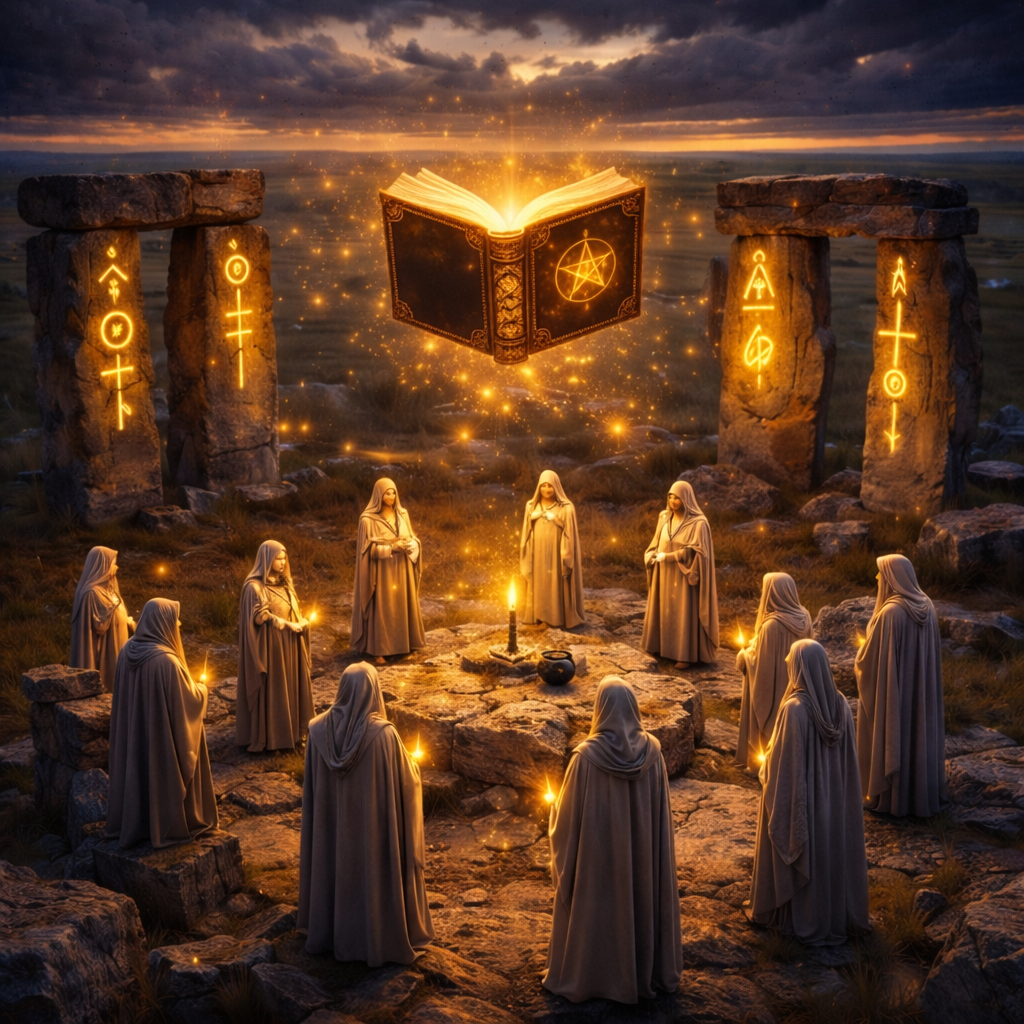

Lorelei Sage (Contemplative Literature Editor) — Makilam's 'The Magical Life of Berber Women in Kabylia' is an exquisite exploration of a vibrant, often overlooked, esoteric tradition. The author masterfully unveils the layers of magic, ritual, and social significance embedded within Kabyle women's lives, presenting a compelling narrative of ancestral wisdom. This work is a treasure for those seeking authentic, earth-based spiritual practices and a deeper understanding of African diasporic magic. Its strength lies in its meticulous detail and evocative portrayal, making the esoteric accessible without sacrificing its profound depth. Recommended for scholars of occult traditions, serious practitioners, and anyone drawn to the profound wisdom held within matriarchal societies.
📝 Description
62
Makilam's 2007 book examines the magic in the lives of Berber women in Kabylia.
This book looks at the magic and rituals practiced by Berber women in the Kabylia region. Makilam describes how these practices are tied to Kabyle society and passed down through families. The work covers the symbolic language of their traditions, the meaning of their ceremonies, and how magic affects their daily lives and social systems.
It is written for readers interested in hidden knowledge, comparative mysticism, or earth-based magic. The book shows a spiritual heritage and discusses the connection between spirit, nature, and human experience. It presents enchantment as a part of everyday life for these women, interacting with unseen forces.
This study fits within traditions that examine the intersection of local cultures and folk magic. It aligns with scholarship on animistic beliefs and indigenous spiritual systems that are often overlooked by mainstream religious studies. The focus on women's roles in maintaining and transmitting these practices connects it to broader discussions on shamanism and matriarchal spiritual currents, presenting magic not as a separate system but as an integrated aspect of social and cosmological understanding in a specific cultural context.
💡 Why Read This Book?
Unearth the potent, earth-rooted magic of Kabyle women, a tradition rich in symbolism and ancestral wisdom. This book offers a unique window into a vibrant, often hidden, esoteric heritage, revealing the profound connection between ritual, social life, and the feminine divine. Ideal for seekers of authentic magical knowledge, scholars of African mysticism, and practitioners looking to expand their understanding of diverse spiritual practices.
⭐ Reader Reviews
Honest opinions from readers who have explored this book.
❓ Frequently Asked Questions
What is the primary focus of 'The Magical Life of Berber Women in Kabylia'?
The book primarily focuses on the magical practices, rituals, and esoteric traditions of Berber women in the Kabylia region, exploring their role in social life and the transmission of ancestral knowledge.
Is prior knowledge of Kabyle culture necessary to appreciate this book?
While prior knowledge can enhance understanding, Makilam provides comprehensive context. The book is written to be accessible to newcomers interested in esoteric African cultures and magic.
What kind of magical practices are discussed?
The book delves into a variety of practices including folk magic, healing rituals, divination techniques, protective charms, and ceremonies tied to life events and agricultural cycles.
Who is the intended audience for this work?
This work is intended for scholars of comparative religion and magic, practitioners of esoteric arts, anthropologists, and general readers with a deep interest in indigenous cultures and their spiritual traditions.
Does the book offer practical applications of Kabyle magic?
While the primary aim is ethnographic and anthropological, the book illuminates the underlying principles and symbolism, offering profound insights that can inspire personal spiritual growth and understanding for practitioners.
🔮 Key Themes & Symbolism
The Sacred Feminine and Matriarchal Magic
This theme explores the profound spiritual authority and magical agency wielded by Berber women in Kabylia. It examines how their lives, from birth to old age, were intricately interwoven with esoteric practices, making them custodians of ancestral wisdom and vital conduits for maintaining cosmic balance. The focus is on the inherent power of the feminine principle within their magical worldview, how it manifested in daily life, community governance, and intergenerational knowledge transfer, highlighting a societal structure where female spiritual leadership was paramount.
Ritual, Symbolism, and the Unseen World
This theme examines the collection of rituals and symbolic language that defined the magical life of Kabyle women. It deciphers the meaning behind ceremonies, amulets, and gestures, revealing how these acted as bridges between the material and spiritual realms. The exploration goes beyond mere description to interpret the deep-seated beliefs and cosmologies that informed these practices, showcasing how symbols served as potent tools for protection, healing, manifestation, and communion with the divine forces that governed their existence and the natural world around them.
Social Harmony and Magical Equilibrium
This theme investigates the integral role of magic in maintaining social cohesion and personal well-being within Kabyle communities, as experienced by their women. It illustrates how esoteric knowledge and ritualistic practices were not merely individual pursuits but communal endeavors designed to ensure prosperity, ward off malevolent influences, and restore balance when discord arose. The focus is on the practical application of magic in everyday life, its function as a social regulator, and the responsibility Berber women held in safeguarding the community's spiritual and material equilibrium through their unique understanding of the unseen forces.
💬 Memorable Quotes
Direct passages from the work, attributed to the author.
“The scent of mint carries the whispers of ancestors.”
— This evocative phrase links sensory experience, specifically smell, to ancestral communication, suggesting that natural elements are imbued with spiritual significance and act as bridges to the past.
“A woman's gaze can mend what the world has broken.”
— This emphasizes the potent, healing energy attributed to the feminine gaze, suggesting a powerful, inherent ability within women to restore balance and wholeness through their presence and intention.
“The desert wind carries secrets older than stone.”
— This poetic statement imbues the natural landscape with ancient knowledge, implying that elements of nature are living archives of forgotten wisdom, accessible to those attuned to their subtle messages.
“Every knot tied is a promise to the spirits.”
— This illustrates the ritualistic aspect of simple actions, revealing how everyday tasks like tying knots are transformed into sacred pacts or agreements with spiritual entities.
💡 Key Ideas
Editorial paraphrase of the work's core concepts — not direct quotes.
The loom is a spindle of destiny, each thread a whispered incantation.
This quote highlights the sacred nature of domestic crafts, elevating the act of combining into a magical process where everyday actions become conduits for spiritual power and fate.
🌙 Esoteric Significance
Tradition
This work is deeply rooted in indigenous North African shamanic and animistic traditions, particularly those practiced by the Kabyle people. It aligns with broader esoteric currents that recognize the potent connection between the human spirit, the natural world, and the unseen forces that govern existence. The magic described is earth-based, drawing power from ancestral lineage, natural elements, and the sacred feminine. It offers a counterpoint to more dogmatic or codified Western occult systems, emphasizing intuitive knowledge, ritual efficacy, and a holistic worldview where magic is an integral part of life, not separate from it.
Symbolism
The symbolism within Kabyle magic is rich and complex, often drawing from nature, domestic life, and ancient Berber motifs. Key symbols include geometric patterns representing protection and cosmic order, the 'hand of Fatima' (Hamsa) for warding off evil, specific colors holding potent meanings (e.g., blue for protection, red for vitality), and natural elements like water, fire, and plants used in healing and divination. The act of combining itself becomes symbolic, representing the creation of destiny and the interconnectedness of life. These symbols are not static but are imbued with living power, activated through ritual and intention by the women who understand their profound language.
Modern Relevance
In an era increasingly characterized by disconnection from nature and ancestral roots, 'The Magical Life of Berber Women in Kabylia' offers a vital reconnective thread. Its exploration of earth-based magic, community well-being, and the empowerment of the feminine resonates deeply with contemporary seekers. The book provides a powerful example of sustainable, holistic living where spiritual practice is intertwined with daily existence, offering inspiration for personal healing, environmental consciousness, and the rediscovery of indigenous wisdom. Its insights into ritual efficacy and symbolic communication can enrich modern spiritual practices, encouraging a more embodied and ancestral approach to magic and personal growth.
👥 Who Should Read This Book
This useful volume is a must-read for several distinct groups. For the **beginner** interested in esoteric traditions, it offers an accessible yet profound introduction to African magical systems, presented with captivating narrative. **Scholars** of anthropology, religious studies, and comparative mysticism will find invaluable primary material and insightful analysis of a unique cultural heritage. **Seekers** of authentic, earth-rooted spirituality will be drawn to the potent wisdom of Kabyle women, seeking to understand their connection to nature and the divine feminine. Finally, **practitioners** of magic and ritual will discover a rich source of inspiration, learning about new forms of ceremony, symbolism, and the enduring power of ancestral knowledge in shaping reality.
📜 Historical Context
Published within the 'Francophone Cultures and Literatures' series, this work emerges from a period of intense academic and cultural interest in postcolonial studies and the preservation of marginalized traditions. The late 20th and early 21st centuries saw a surge in anthropological and ethnographic research seeking to document and understand the rich, often orally transmitted, spiritual and magical practices of indigenous communities worldwide, particularly those under the influence of colonial histories. Makilam's study contributes to this vital effort by focusing on the Kabyle people of North Africa, a Berber group with a distinct cultural and linguistic heritage. The book's placement within a Francophone context underscores the scholarly engagement with North African cultures by French-speaking intellectuals and institutions, while simultaneously seeking to give voice to the nuanced experiences of the Kabyle women themselves, often overlooked in broader historical narratives. This era encouraged a critical re-evaluation of Western perspectives on non-Western spiritualities, moving towards a more respectful and in-depth exploration of their inherent value and complexity.
📔 Journal Prompts
Reflect on a personal tradition or ritual that connects you to your ancestors. How does this practice shape your present?
Consider the symbolic meaning of a common household object. How could it be imbued with spiritual significance in your life?
Explore the concept of 'earth-based magic.' What elements of the natural world resonate most strongly with your own spiritual practice?
How does the idea of the 'sacred feminine' manifest in your community or personal life? What are its strengths and challenges?
Imagine you are a Kabyle woman. What daily ritual would be most central to maintaining your well-being and connection to the unseen?
🗂️ Glossary
Kabyle
Refers to the indigenous Berber people inhabiting the Kabylia region of northern Algeria. They possess a distinct language (Tamazight) and rich cultural traditions.
Tamazight
The Berber languages spoken by the Kabyle people and other Amazigh groups across North Africa. It is a living language with ancient roots.
Hamsa
An ancient talismanic palm-shaped amulet, commonly used in North Africa and the Middle East, believed to provide protection against the evil eye and bring good fortune.
Amulet
An object worn or carried, believed to possess magical properties, typically to protect the wearer from harm, evil, or misfortune.
Divination
The practice of seeking knowledge of the future or the unknown by supernatural means, often through rituals, symbols, or interpreting signs from the natural world.
This book appears in 3 collections
🔮 Readers Also Liked
Browse all →




More by Makilam.
All books →

From the “Ritual Magic” Collection
View all →







More Free Magic & Ritual Books
View all →