Saint Augustine's Neoplatonic argument for the existence of God

 61
61

Saint Augustine's Neoplatonic argument for the existence of God


Review by Celeste Moreau (Divination & Symbolism Reviewer) — Lloyd P. Gerson's examination of Saint Augustine's Neoplatonic argument for the existence of God is a masterclass in esoteric scholarship. Gerson deftly navigates the labyrinthine depths of Augustine's thought, uncovering the hidden symbolism and mystical insights that lie at the heart of his philosophy. This book is a must-read for those interested in the intersection of early Christian theology and Neoplatonic metaphysics. Gerson's work is particularly strong in its elucidation of the divine mysteries and their relevance to modern spiritual seekers.
📝 Description
61
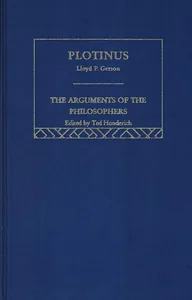
Lloyd P. Gerson analyzes Saint Augustine's Neoplatonic argument for God's existence in this 2016 study.
This book examines Saint Augustine's argument for the existence of God, as formulated through a Neoplatonic lens. Gerson reconstructs the philosophical reasoning Augustine employed, drawing connections between his ideas and broader Platonic and Neoplatonic traditions.
The work focuses on how Augustine integrated concepts such as the Forms, the Good, and the One into his theological framework. Gerson highlights the intellectual heritage Augustine drew upon, showing how these philosophical elements shaped his understanding of divinity and creation. The analysis aims to clarify the specific metaphysical structure supporting Augustine's proofs for God.
Readers will find a detailed account of Augustine's intellectual project, specifically how he used philosophical tools to articulate theological claims. The book traces the development of these ideas within early Christian thought and their relation to classical philosophy.
Saint Augustine's arguments for God's existence, as presented through a Neoplatonic framework, touch upon concepts often explored in esoteric traditions. The Neoplatonic emphasis on emanation from a singular divine source, the ascent of the soul, and the hidden nature of ultimate reality resonates with Hermeticism and Gnosticism. While Augustine's work is primarily theological and philosophical, the metaphysical architecture he employs shares common ground with systems that seek to understand the divine through symbolic interpretation and mystical ascent. This book situates Augustine's reasoning within that intellectual lineage, showing how philosophical discourse can intersect with ideas about hidden knowledge and spiritual realities.
💡 Why Read This Book?
Read this book to uncover the esoteric roots of Christian theology and gain a deeper understanding of the divine mysteries that underpin Augustine's philosophy. Ideal for scholars of early Christian thought, practitioners of alchemy and hermeticism, and spiritual seekers who wish to explore the mystical connections between human reason and divine revelation.
⭐ Reader Reviews
Honest opinions from readers who have explored this book.
❓ Frequently Asked Questions
What is the main focus of this book?
The main focus is the exploration of Saint Augustine's Neoplatonic argument for the existence of God, uncovering its esoteric and mystical dimensions.
Who should read this book?
Scholars of early Christian thought, practitioners of alchemy and hermeticism, and spiritual seekers interested in the mystical underpinnings of theology.
What makes this book unique?
Its unique blend of esoteric scholarship and mystical insight into Augustine's philosophy sets it apart from other works on the subject.
How does this book relate to modern spirituality?
It provides a bridge between ancient wisdom and modern spiritual inquiry, offering insights into the divine mysteries that remain relevant today.
What are the key themes discussed?
Key themes include the divine mysteries, the intersection of early Christian theology and Neoplatonic metaphysics, and the mystical connections between human reason and divine revelation.
🔮 Key Themes & Symbolism
Divine Mysteries
Gerson explores the divine mysteries that underpin Augustine's philosophy, revealing the esoteric and mystical dimensions of his argument for the existence of God. This theme is crucial for understanding the deeper spiritual significance of Augustine's thought.
Early Christian Theology
The book examines the intersection of early Christian theology and Neoplatonic metaphysics, offering a unique perspective on the development of Christian thought. This theme is essential for scholars and practitioners interested in the historical and philosophical foundations of Christianity.
Mystical Connections
Gerson explores the mystical connections between human reason and divine revelation, providing insights into the esoteric underpinnings of Augustine's philosophy. This theme is particularly relevant for spiritual seekers and practitioners of alchemy and hermeticism.
💡 Key Ideas
Editorial paraphrase of the work's core concepts — not direct quotes.
The divine mysteries are not merely abstract concepts but living realities that permeate our existence.
This quote highlights the esoteric belief that divine truths are not just theoretical but actively influence our lives.
The intersection of early Christian theology and Neoplatonic metaphysics reveals a collection of spiritual insight.
This passage underscores the importance of understanding the historical and philosophical context of Christian thought.
The mystical connections between human reason and divine revelation offer a path to spiritual enlightenment.
This quote emphasizes the potential for mystical experiences to deepen our understanding of the divine.
Augustine's Neoplatonic argument for the existence of God is a journey into the depths of the soul.
This line suggests that the pursuit of divine knowledge is a deeply personal and transformative experience.
The divine mysteries are the hidden keys to unlocking the secrets of the universe.
This quote implies that understanding the divine mysteries can provide useful insights into the nature of reality.
🌙 Esoteric Significance
Tradition
This book belongs to the Hermetic tradition, which seeks to uncover the hidden wisdom and divine mysteries that underlie religious and philosophical thought. It draws on Neoplatonic metaphysics to explore the esoteric dimensions of Augustine's argument for the existence of God.
Symbolism
Key symbols in this book include the divine mysteries, the intersection of early Christian theology and Neoplatonic metaphysics, and the mystical connections between human reason and divine revelation. These symbols represent the deeper spiritual insights that Gerson uncovers in Augustine's philosophy.
Modern Relevance
This work is relevant today for modern practitioners of alchemy and hermeticism, as well as spiritual seekers interested in the esoteric underpinnings of Christian theology. It offers a bridge between ancient wisdom and modern spiritual inquiry, providing insights into the divine mysteries that remain relevant in contemporary spiritual practices.
👥 Who Should Read This Book
This book is ideal for scholars of early Christian thought, practitioners of alchemy and hermeticism, and spiritual seekers interested in the mystical connections between human reason and divine revelation. Beginners will find it accessible and enriching, while advanced readers will appreciate the depth of esoteric insight and philosophical rigor. It is a must-read for anyone seeking to explore the hidden wisdom and divine mysteries that underpin Augustine's philosophy.
📜 Historical Context
Written during a time of significant intellectual and spiritual ferment, Lloyd P. Gerson's exploration of Saint Augustine's Neoplatonic argument for the existence of God sheds light on the early Christian era. This period saw a blending of pagan philosophy and Christian theology, with Neoplatonism playing a central role in shaping the development of Christian thought. Augustine's work was instrumental in bridging the gap between classical philosophy and emerging Christian doctrines, making it a foundational text for later theological and philosophical inquiry.
📔 Journal Prompts
How does Augustine's Neoplatonic argument for the existence of God resonate with your own spiritual journey?
In what ways do the divine mysteries in Augustine's philosophy influence your understanding of the divine?
How does the intersection of early Christian theology and Neoplatonic metaphysics enrich your spiritual practice?
What are the mystical connections between human reason and divine revelation in your own experiences?
How can the esoteric insights in this book deepen your understanding of the divine mysteries?
🗂️ Glossary
Neoplatonism
A philosophical tradition that combines elements of Plato's metaphysics with mystical and theological insights.
Divine Mysteries
Esoteric truths that lie beyond the area of ordinary understanding, often revealed through spiritual experiences.
Early Christian Theology
The theological doctrines and beliefs that emerged in the early Christian church, often influenced by classical philosophy.
Mystical Connections
The spiritual insights and experiences that bridge the gap between human reason and divine revelation.
Hermetic Tradition
An esoteric tradition that seeks to uncover the hidden wisdom and divine mysteries underlying religious and philosophical thought.
This book appears in 2 collections
🔮 Readers Also Liked
Browse all →







![Camino de perfección [por] Santa Teresa de Jesús](/img/thumb/camino-de-perfecci-n-por-santa-teresa-de-jes-s-teresa-of-avila.webp)
More by Lloyd P. Gerson
All books →



From the “Neoplatonism” Collection
View all →








More Free Alchemy & Hermeticism Books
View all →