Physics and Philosophy of Nature in Greek Neoplatonism
 61
61

Physics and Philosophy of Nature in Greek Neoplatonism



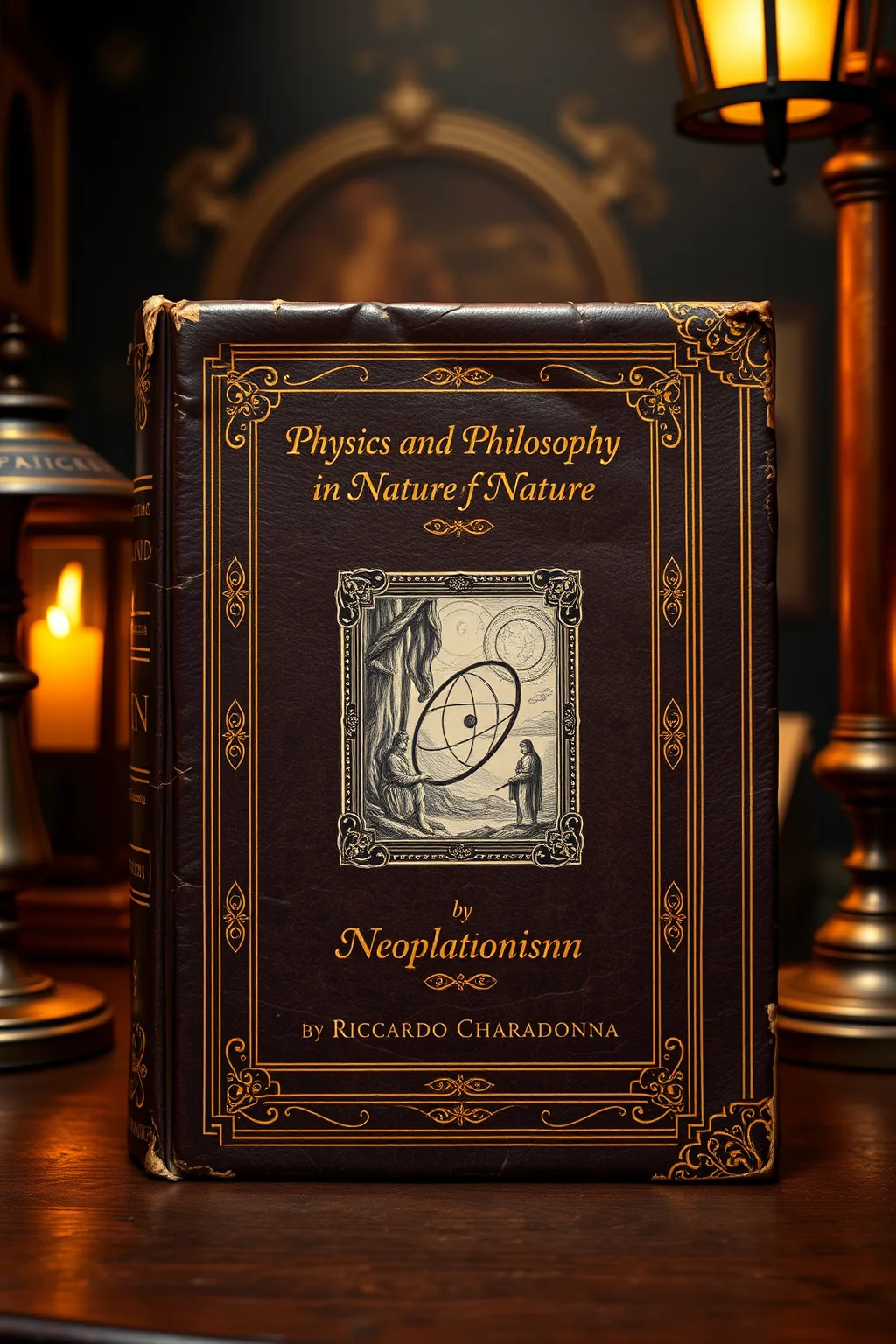
In 'Physics and Philosophy of Nature in Greek Neoplatonism,' Riccardo Chiaradonna masterfully weaves together the intricate threads of Neoplatonic philosophy, revealing the esoteric insights that have long captivated the minds of mystics and scholars alike. Chiaradonna's work stands as a testament to the enduring relevance of ancient wisdom in our modern world, offering readers a profound exploration of the interplay between physics and philosophy. This book is an essential read for those seeking to understand the mystical underpinnings of nature and the universe. It is particularly valuable for practitioners of alchemy and Hermeticism, providing a rich foundation for further esoteric studies.
📝 Description
61
Riccardo Chiaradonna's 2013 book examines the physical theories of Greek Neoplatonism.
This study focuses on the doctrines of nature developed by philosophers such as Plotinus, Porphyry, Iamblichus, and Proclus. Chiaradonna reconstructs their cosmological systems, analyzing how these thinkers understood the structure of the cosmos, the generation of physical reality, and the relationship between the sensible world and the divine. The work details their views on matter, soul, and intellect, and how these elements function within a hierarchical cosmos.
The book addresses the philosophical arguments behind Neoplatonic physics, moving beyond simplistic interpretations of their metaphysics. It shows how their understanding of nature was tied to ethical and theological concerns, aiming for a unified vision of reality. Chiaradonna highlights the intellectual heritage of these philosophers, drawing connections to earlier Greek thinkers and the broader intellectual currents of late antiquity.
Greek Neoplatonism, originating with Plotinus in the 3rd century CE, represents a complex philosophical system that sought to unify Platonic thought with other traditions, including Aristotelianism and Pythagoreanism. Its esoteric dimension lies in its hierarchical cosmology, which posits emanations from a transcendent One, and its focus on spiritual ascent and mystical union. Neoplatonic physics, as examined in this book, is not merely descriptive but teleological, aiming to reveal the divine order within the material world and guide practitioners toward understanding their place within that order.
💡 Why Read This Book?
Read 'Physics and Philosophy of Nature in Greek Neoplatonism' to unlock the hidden knowledge of the natural world through the lens of Neoplatonic thought. This book is ideal for seekers of spiritual enlightenment, scholars of philosophy, and practitioners of esoteric arts. Chiaradonna's insights offer a unique perspective on the mystical dimensions of physics and philosophy, making it a must-read for anyone interested in the deeper meanings of nature.
⭐ Reader Reviews
Honest opinions from readers who have explored this book.
❓ Frequently Asked Questions
What is the main focus of this book?
The book focuses on the intersection of physics and philosophy within the context of Greek Neoplatonism, exploring the mystical and esoteric dimensions of natural phenomena.
Who is the intended audience?
The intended audience includes scholars of philosophy, seekers of esoteric knowledge, and practitioners of metaphysical arts.
What makes this book unique?
This book is unique in its exploration of the hidden symbolism and philosophical significance within Neoplatonic thought, offering insights that are both intellectually rigorous and spiritually enriching.
How does this book contribute to esoteric studies?
The book provides a deep dive into the esoteric traditions of Neoplatonism, revealing the mystical underpinnings of nature and the universe, which are crucial for practitioners of alchemy and Hermeticism.
Can beginners read this book?
While the book is accessible to beginners, it is particularly valuable for those with some background in philosophy and esoteric studies, as it delves into complex themes and ideas.
🔮 Key Themes & Symbolism
The Mystical Dimensions of Nature
Chiaradonna explores the esoteric symbolism and hidden knowledge embedded within the natural world, revealing the mystical dimensions of physics and philosophy. This theme is central to understanding the deeper meanings of nature and the universe.
Neoplatonic Philosophy
The book provides a comprehensive exploration of Neoplatonic thought, highlighting its philosophical significance and esoteric insights. Readers will gain a deeper understanding of the interplay between physics and philosophy within this ancient tradition.
The Quest for Hidden Wisdom
This theme emphasizes the search for hidden knowledge and spiritual enlightenment, inviting readers to explore the mystical underpinnings of nature and the universe. It is particularly relevant for seekers of esoteric wisdom and practitioners of metaphysical arts.
💡 Key Ideas
Editorial paraphrase of the work's core concepts — not direct quotes.
Nature is the embodiment of divine intelligence.
This quote underscores the mystical connection between the natural world and the divine, highlighting the esoteric insights within Neoplatonic thought.
The universe is a symphony of interconnected energies.
This passage reveals the hidden harmony and symbolism within the natural world, inviting readers to explore the deeper meanings of existence.
Philosophy is the key to unlocking the mysteries of the cosmos.
This quote emphasizes the philosophical significance of Neoplatonic thought, offering a pathway to spiritual enlightenment and esoteric knowledge.
The quest for truth is a journey into the unknown.
This passage highlights the mystical dimensions of the search for hidden wisdom, inviting readers to begin a spiritual journey of discovery.
The natural world is a reflection of the divine.
This quote underscores the mystical connection between nature and the divine, revealing the esoteric insights within Neoplatonic philosophy.
🌙 Esoteric Significance
Tradition
This book belongs to the Hermetic tradition, which seeks to uncover the hidden knowledge and symbolism embedded within the natural world. Neoplatonic thought plays an important role in this tradition, offering insights that are both philosophically significant and spiritually enriching.
Symbolism
Key symbols in this book include the divine intelligence of nature, the interconnected energies of the cosmos, and the mystical dimensions of existence. These symbols invite readers to explore the deeper meanings of the natural world and the universe.
Modern Relevance
This book remains relevant today, offering insights that are crucial for modern practitioners of alchemy, Hermeticism, and other esoteric arts. Its exploration of the mystical dimensions of nature and the universe provides a rich foundation for further esoteric studies.
👥 Who Should Read This Book
Beginners interested in esoteric studies will find this book accessible and enlightening, offering a deep dive into the mystical dimensions of Neoplatonic thought. Scholars of philosophy will appreciate the book's rigorous exploration of the interplay between physics and philosophy, while spiritual seekers will be inspired by the quest for hidden wisdom. Practitioners of metaphysical arts will find valuable insights and symbolism that can enrich their spiritual practices.
📜 Historical Context
Written during a time of intellectual and spiritual ferment, 'Physics and Philosophy of Nature in Greek Neoplatonism' reflects the enduring quest for hidden knowledge and esoteric wisdom. The book's influence can be seen in the works of later mystics and philosophers, who drew upon Neoplatonic thought to explore the mystical dimensions of nature and the universe. This work remains relevant today, offering insights that are both intellectually rigorous and spiritually enriching.
📔 Journal Prompts
Reflect on the mystical dimensions of nature as described in the book. How do these insights resonate with your own experiences?
Explore the symbolism of the divine intelligence of nature. What does this concept mean to you?
Consider the interconnected energies of the cosmos. How can this understanding enrich your spiritual practices?
Reflect on the philosophical significance of Neoplatonic thought. How does this tradition offer a pathway to spiritual enlightenment?
Explore the quest for hidden wisdom as described in the book. What steps can you take to begin your own journey of discovery?
🗂️ Glossary
Neoplatonism
A philosophical tradition that builds upon the ideas of Plato, emphasizing the mystical dimensions of existence and the quest for hidden knowledge.
Hermeticism
An esoteric tradition that seeks to uncover the hidden wisdom and symbolism embedded within the natural world, often drawing upon Neoplatonic thought.
Divine Intelligence
The mystical connection between the natural world and the divine, highlighting the esoteric insights within Neoplatonic philosophy.
Interconnected Energies
The hidden harmony and symbolism within the natural world, revealing the deeper meanings of existence.
Mystical Dimensions
The esoteric insights and symbolism embedded within the natural world, inviting readers to explore the deeper meanings of nature and the universe.
This book appears in 2 collections
🔮 Readers Also Liked
Browse all →









More by Riccardo Chiaradonna
All books →

From the “Neoplatonism” Collection
View all →








More Free Alchemy & Hermeticism Books
View all →