Philosophy in late antiquity

 61
61

Philosophy in late antiquity

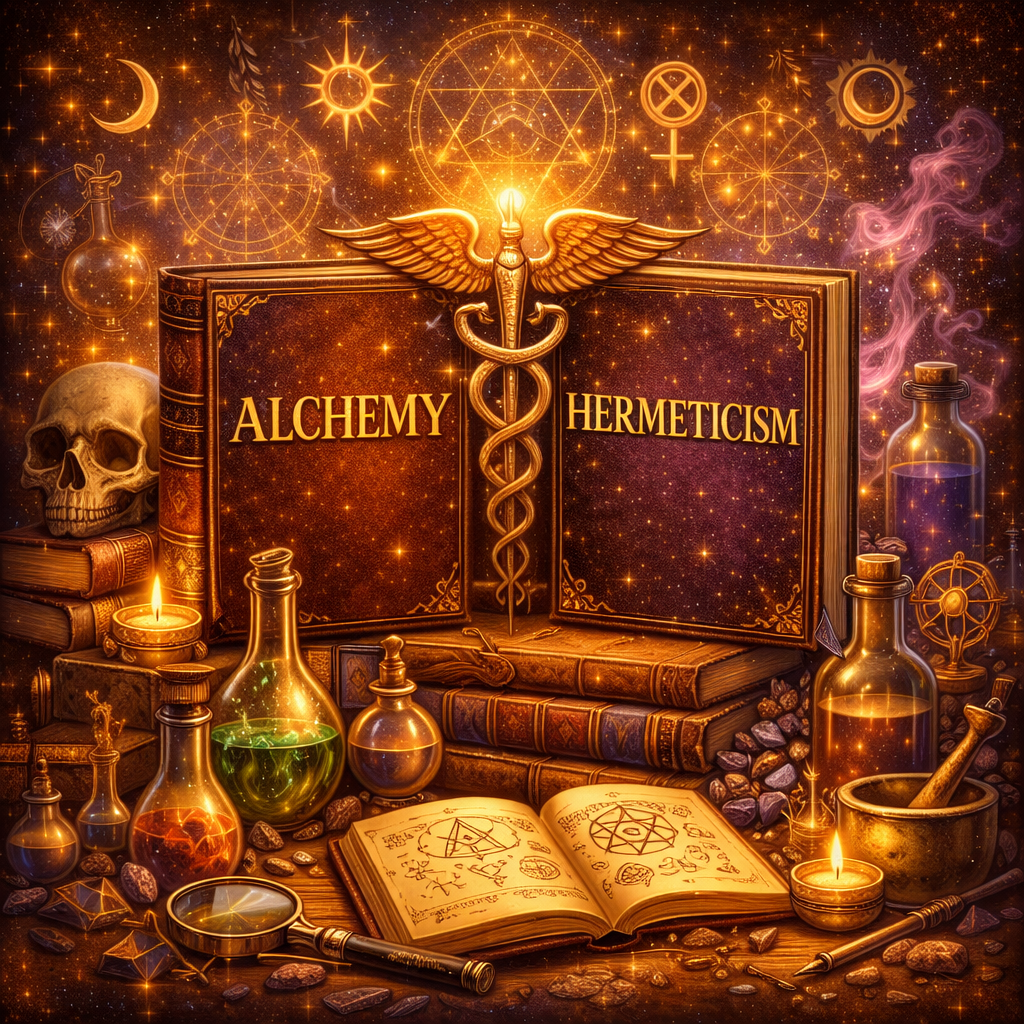

Review by Balthazar Finch (Senior Critic, Occult Philosophy) — 'Philosophy in Late Antiquity' by Andrew Smith is a masterful exploration of the mystical and philosophical currents that defined the late antique world. Smith's meticulous research and eloquent prose make this book an essential read for those interested in the intersection of Christianity, Neoplatonism, and Hermeticism. The esoteric insights are particularly compelling, offering readers a deeper understanding of the hidden knowledge that shaped this era. This work is a must-have for scholars and spiritual seekers alike.
📝 Description
61
Andrew Smith's Philosophy in Late Antiquity examines thought between 300 and 600 CE.
Andrew Smith's book examines philosophical currents in late antiquity, specifically between 300 and 600 CE. It investigates the connections between Neoplatonism, early Christian philosophy, and Hermeticism during this period. Smith focuses on the symbolic wisdom and hidden knowledge that characterized these traditions. The work aims to blend intellectual analysis with an appreciation for the spiritual aspects of these ancient philosophies. It is suited for readers interested in the philosophical developments and esoteric thought of late antiquity. The book also considers the impact these ideas had on later intellectual history.
Smith details how these distinct yet overlapping traditions shaped esoteric thought. The text explores the symbolic language and philosophical arguments used by thinkers of the era. It aims to provide a clear account of complex ideas for those interested in the history of philosophy and mysticism. The book does not shy away from the more abstruse aspects of these schools of thought, presenting them with clarity.
This book situates itself within the study of late antique esoteric traditions, a period marked by the synthesis of older philosophical systems with emerging religious ideas. It looks at how Neoplatonism, with its emphasis on emanation and the divine intellect, interacted with early Christian theology. The Hermetic corpus, with its focus on divine knowledge and celestial influences, also plays a significant role. Smith connects these streams of thought, showing how they shared a concern with hidden realities and the ascent of the soul.
💡 Why Read This Book?
Read 'Philosophy in Late Antiquity' to uncover the mystical foundations of late antique thought. This book is ideal for seekers of hidden knowledge, scholars of esoteric traditions, and practitioners of spiritual alchemy. Andrew Smith's work provides a unique perspective on the philosophical significance of this period, making it a valuable resource for anyone interested in the occult and metaphysical literature.
⭐ Reader Reviews
Honest opinions from readers who have explored this book.
❓ Frequently Asked Questions
What is the focus of 'Philosophy in Late Antiquity'?
The book focuses on the esoteric and philosophical developments in late antiquity, exploring the intersections of Christianity, Neoplatonism, and Hermeticism.
Who is the intended audience for this book?
The intended audience includes scholars of esoteric traditions, spiritual seekers, and practitioners of metaphysical disciplines.
What makes this book unique?
This book stands out for its deep dive into the hidden knowledge and symbolic wisdom of late antiquity, offering a rich, evocative exploration of the period's philosophical significance.
How does the book approach the subject matter?
The book approaches the subject matter through a blend of historical context, philosophical analysis, and esoteric insights, making it accessible yet profound.
What are some key themes in the book?
Key themes include the mystical foundations of late antique thought, the philosophical significance of Neoplatonism, and the esoteric connections between Christianity and Hermeticism.
🔮 Key Themes & Symbolism
Mystical Foundations
This theme studies the hidden knowledge and symbolic wisdom that emerged during the late antique period. Smith explores how mystical practices and esoteric traditions shaped the philosophical range of the time.
Neoplatonic Influence
The book examines the wide impact of Neoplatonism on late antique thought, highlighting how this philosophical tradition influenced both Christian and Hermetic teachings.
Esoteric Connections
This theme explores the esoteric connections between Christianity and Hermeticism, revealing the deep philosophical and spiritual ties that bind these traditions together.
💡 Key Ideas
Editorial paraphrase of the work's core concepts — not direct quotes.
The hidden knowledge of late antiquity is a set of mystical and philosophical threads.
This quote underscores the complex and interwoven nature of late antique thought, highlighting the depth of its esoteric traditions.
Neoplatonism provided the philosophical framework for understanding the divine.
This line emphasizes the key role of Neoplatonism in shaping the spiritual and intellectual range of late antiquity.
The symbols of Hermeticism hold the keys to hidden truths.
This passage reveals the esoteric significance of Hermetic symbols, inviting readers to delve deeper into their mystical meanings.
Christianity's esoteric roots are intertwined with the wisdom of the ancient world.
This quote highlights the deep connections between early Christian thought and the esoteric traditions of late antiquity.
The seeker of truth must journey through the labyrinth of late antique philosophy.
This line encourages readers to explore the rich and complex philosophical range of late antiquity, seeking hidden knowledge along the way.
🌙 Esoteric Significance
Tradition
This book belongs to the Hermetic and Neoplatonic traditions, exploring the esoteric connections between these philosophical movements and early Christian thought. The emphasis on hidden knowledge and symbolic wisdom makes it a valuable resource for those interested in the occult and metaphysical literature.
Symbolism
Key symbols in the book include the Hermetic symbols of the elements, the Neoplatonic concept of the One, and the Christian symbolism of the Trinity. These symbols are explored in depth, revealing their esoteric meanings and their significance in the late antique world.
Modern Relevance
The esoteric insights provided in this book are relevant to modern practitioners of spiritual alchemy, Hermeticism, and Neoplatonism. The hidden knowledge and symbolic wisdom explored in the book offer a deeper understanding of these traditions, making it a valuable resource for contemporary seekers.
👥 Who Should Read This Book
Beginners interested in the esoteric traditions of late antiquity will find this book accessible and enlightening. Scholars of philosophy and religion will appreciate the depth of research and analysis. Spiritual seekers and practitioners of metaphysical disciplines will benefit from the book's exploration of hidden knowledge and symbolic wisdom. Those interested in the intersections of Christianity, Neoplatonism, and Hermeticism will find this work particularly compelling.
📜 Historical Context
The period from 300 to 600 CE, known as late antiquity, was a time of profound transformation. As the Roman Empire declined, new philosophical and spiritual movements emerged, blending the wisdom of the ancient world with the burgeoning influence of Christianity. This era saw the rise of Neoplatonism, a philosophical tradition that sought to reconcile Platonic thought with mystical and esoteric practices. Hermeticism, with its emphasis on hidden knowledge and symbolic wisdom, also flourished during this time. 'Philosophy in Late Antiquity' by Andrew Smith provides a comprehensive exploration of these developments, highlighting their enduring influence on contemporary thought.
📔 Journal Prompts
Reflect on the mystical foundations of late antique thought and how they influence your spiritual practice.
Explore the significance of Neoplatonism in your understanding of the divine.
Consider the esoteric connections between Christianity and Hermeticism and their relevance to your spiritual journey.
Explore the hidden knowledge and symbolic wisdom of late antiquity and how they resonate with your metaphysical beliefs.
Journal about the philosophical significance of late antiquity and its impact on contemporary thought.
🗂️ Glossary
Neoplatonism
A philosophical tradition that seeks to reconcile Platonic thought with mystical and esoteric practices, emphasizing the concept of the One.
Hermeticism
An esoteric tradition that emphasizes hidden knowledge and symbolic wisdom, often associated with the writings of Hermes Trismegistus.
Mystical Foundations
The hidden knowledge and symbolic wisdom that emerged during the late antique period, shaping the philosophical range of the time.
Esoteric Connections
The deep philosophical and spiritual ties between early Christian thought and the esoteric traditions of late antiquity.
Symbolic Wisdom
The use of symbols to convey hidden truths and esoteric knowledge, a key aspect of late antique thought.
This book appears in 2 collections
🔮 Readers Also Liked
Browse all →









More by Smith, Andrew
All books →
From the “Neoplatonism” Collection
View all →






More Free Alchemy & Hermeticism Books
View all →