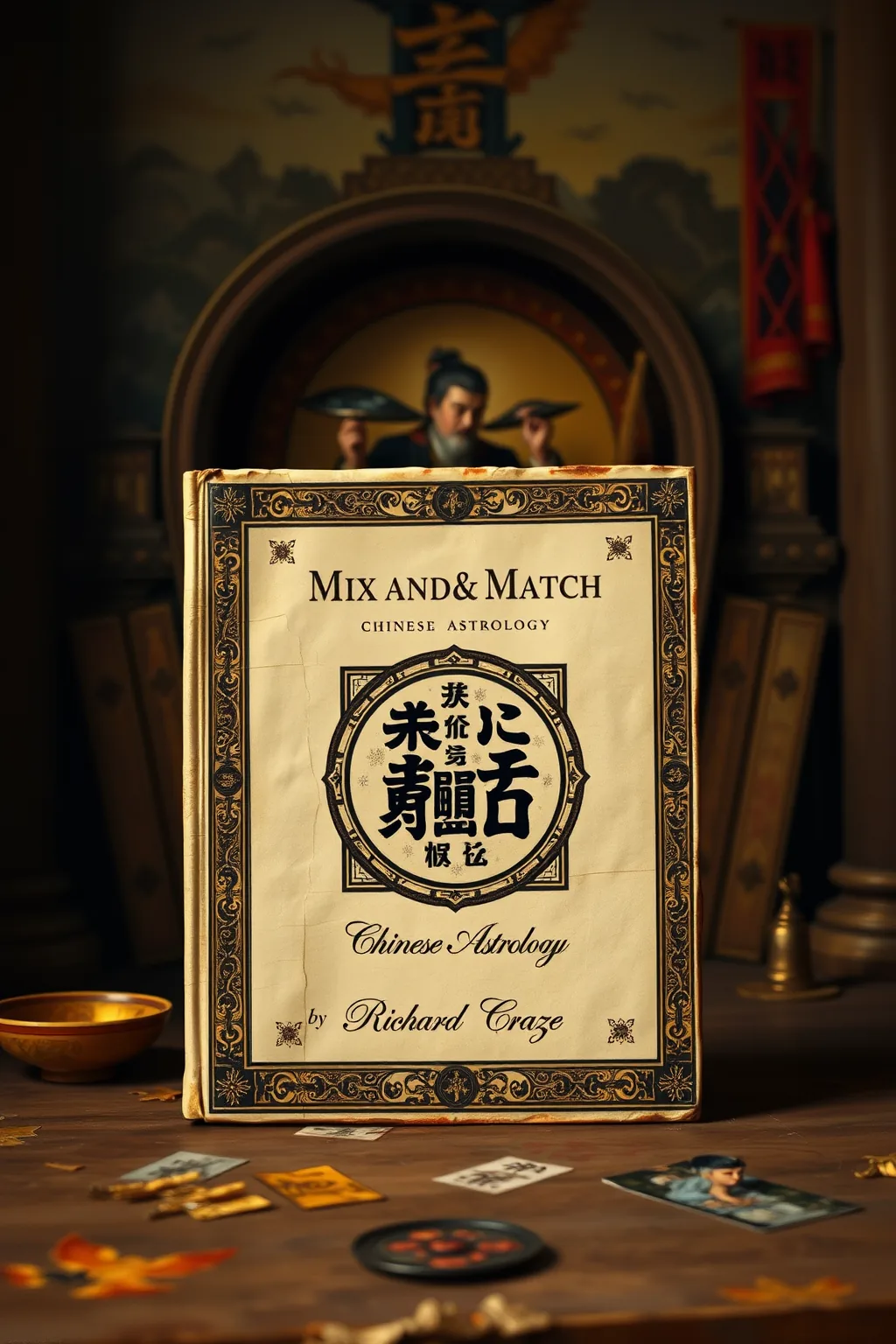
Mix and Match Chinese Astrology
 61
61

Mix and Match Chinese Astrology


Richard Craze's "Mix and Match Chinese Astrology" is a luminous beacon for those navigating the labyrinthine paths of Eastern esoteric traditions. He masterfully demystifies the complex interplay of the zodiacal animals and the elemental forces, presenting a holistic framework for understanding karmic influences and personal potential. Craze's prose is both accessible and deeply resonant, inviting readers to engage with the profound symbolism. This text is indispensable for serious students of astrology and anyone seeking a more nuanced comprehension of life's intricate design. Its strength lies in its ability to bridge ancient wisdom with practical application, making it a treasured resource for both neophytes and seasoned practitioners.
📝 Description
61
Richard Craze's 1997 book explains how Chinese astrology's components combine.
Richard Craze's "Mix and Match Chinese Astrology" details how the various components of the Chinese zodiac system interact. The book covers the twelve animal signs, the Five Elements (Wood, Fire, Earth, Metal, Water), and the principles of Yin and Yang. Craze shows how these elements, when combined, create unique personality traits and life paths for individuals born under specific combinations. He moves beyond simple birth year predictions to analyze the complex interplay that shapes an individual's character and potential. This approach allows for a more detailed understanding than basic zodiac readings. The text aims to demystify these astrological principles. It seeks to provide readers with a framework for interpreting these interactions in their own lives and the lives of others. The book emphasizes the dynamic nature of these astrological forces. It suggests they are not fixed but fluid, like a language that communicates cosmic influences.
This book fits within the Western esoteric tradition's interest in translating Eastern systems for a new audience. Chinese astrology, with its cyclical view of time and elemental correspondences, has long been a subject of study for those seeking to understand universal patterns. Craze's work specifically addresses how these elements and signs combine, moving beyond a simple listing of attributes. It aligns with esoteric practices that look for hidden connections and symbolic meanings in natural phenomena, applying them to human experience and destiny.
💡 Why Read This Book?
Unravel the profound secrets of your destiny through the ancient lens of Chinese Astrology. This book offers a unique perspective on the interconnectedness of cosmic energies and personal karma. Ideal for seekers of esoteric knowledge, astrology enthusiasts, and practitioners aiming to expand their understanding of elemental forces and zodiacal symbolism. Discover how to harmonize your inner world with the celestial rhythm.
⭐ Reader Reviews
Honest opinions from readers who have explored this book.
❓ Frequently Asked Questions
What is the core philosophy behind Chinese Astrology?
At its heart, Chinese Astrology is a cyclical system rooted in the Taoist understanding of the universe, emphasizing balance, harmony, and the interconnectedness of all things through the Five Elements and Yin/Yang principles.
How does the 'mix and match' aspect enhance understanding?
The 'mix and match' approach highlights the dynamic interplay between different animal signs and elements, revealing complex relationship dynamics, personality facets, and karmic influences that transcend individual birth charts.
Is this book suitable for beginners?
Absolutely. Craze's clear explanations make the intricate concepts of Chinese Astrology accessible to newcomers, while offering depth for those with prior knowledge.
What are the Five Elements in Chinese Astrology?
The Five Elements are Wood, Fire, Earth, Metal, and Water. They represent fundamental energies that interact in generative and destructive cycles, influencing personality, relationships, and life events.
Can I use this book to understand my relationships?
Yes, the book provides insights into compatibility and potential challenges between different zodiac signs and elemental combinations, offering guidance for navigating interpersonal dynamics.
🔮 Key Themes & Symbolism
The Interplay of Yin and Yang
This theme looks at the fundamental duality that permeates Chinese Astrology, exploring how the complementary yet opposing forces of Yin and Yang manifest within the zodiacal animals and the Five Elements. Understanding this balance is crucial for grasping the dynamic energies that shape our lives, from personal temperament to interpersonal relationships. It highlights the constant flux and transformation inherent in the cosmos and within ourselves, encouraging a holistic view of existence.
The Cycles of the Five Elements
The Five Elements—Wood, Fire, Earth, Metal, and Water—form the bedrock of Chinese Astrological interpretation. This theme examines their generative (creation) and destructive (control) cycles, revealing how their interactions influence personality traits, health, fortune, and the broader cosmic flow. It offers a framework for understanding both harmony and conflict, providing practical insights into balancing these energies for personal growth and well-being.
The Wisdom of the Twelve Animal Signs
Beyond simple archetypes, the twelve animal signs of the Chinese zodiac represent complex energetic blueprints, each imbued with unique characteristics, strengths, and challenges. This theme explores the symbolic meaning of each animal, their inherent qualities, and how they interact with the elemental cycles and the Yin/Yang energies. It provides a collection of understanding for individual destiny, karmic patterns, and the profound influence of our birth year on our life's journey.
💬 Memorable Quotes
Direct passages from the work, attributed to the author.
“Destiny is not a decree, but a dance.”
— This highlights the dynamic nature of fate, suggesting that while celestial patterns exist, human agency and response play an important role in shaping our life's unfolding.
“Within the animal lies the element, and within the element, the universe.”
— This profound statement underscores the interconnectedness of all astrological components, from individual signs to elemental forces, revealing a nested hierarchy of cosmic influence.
“Harmony is found not in stillness, but in balance.”
— This philosophical nugget points to the active pursuit of equilibrium, suggesting that true peace and well-being arise from managing the dynamic interplay of energies, rather than their absence.
“Know thyself through the mirror of the cosmos.”
— This encourages introspection, framing the study of astrology as a powerful tool for self-discovery, where celestial patterns reflect and illuminate our inner landscape.
💡 Key Ideas
Editorial paraphrase of the work's core concepts — not direct quotes.
The stars whisper secrets to those who listen.
This quote emphasizes the subtle, often overlooked, cosmic influences on human affairs, suggesting that profound wisdom can be accessed through attentive observation and intuitive understanding.
🌙 Esoteric Significance
Tradition
This work is firmly rooted in the Taoist tradition, which views the universe as a dynamic, interconnected whole governed by the principles of Yin and Yang and the cyclical interactions of the Five Elements. Chinese Astrology, in this context, serves as a symbolic language that deciphers these cosmic energies, offering insights into the energetic blueprint of individuals and the natural world. It is an esoteric art aimed at understanding one's place within the grand cosmic order and achieving harmony.
Symbolism
The symbolism in Chinese Astrology is rich and multi-layered. The twelve animal signs (Rat, Ox, Tiger, etc.) are not merely labels but represent archetypal energies and behaviors. The Five Elements (Wood, Fire, Earth, Metal, Water) are fundamental forces with distinct qualities and relationships. The Yin and Yang represent duality and complementarity. Together, these symbols form a complex lexicon for interpreting personality, destiny, relationships, and the flow of time, offering a symbolic map of the human experience.
Modern Relevance
In the modern era, Chinese Astrology offers a powerful framework for self-understanding and working through the complexities of contemporary life. Its emphasis on balance, cyclical patterns, and interconnectedness provides valuable antidotes to the fragmentation and stress of the 21st century. By understanding one's astrological blueprint, individuals can gain clarity on their strengths, challenges, and life path, fostering personal growth, improved relationships, and a greater sense of cosmic belonging.
👥 Who Should Read This Book
This informative text is a valuable collection for a diverse audience. Beginners seeking an accessible yet profound introduction to the intricate world of Chinese Astrology will find Craze's explanations clear and engaging. Seasoned practitioners and scholars of esotericism will appreciate the depth of insight and the nuanced exploration of elemental and zodiacal dynamics. Spiritual seekers yearning for a deeper connection to cosmic forces and a more profound understanding of their life's purpose will find invaluable guidance. Ultimately, anyone interested in unlocking the secrets of destiny, enhancing self-awareness, and harmonizing with the universal energies will benefit immensely.
📜 Historical Context
The development of Chinese Astrology spans millennia, deeply entwined with ancient Chinese philosophy, astronomy, and cosmology, particularly Taoism. Its roots can be traced back to the Shang Dynasty (c. 1600–1046 BCE) with early forms of divination and calendar systems. By the Han Dynasty (206 BCE–220 CE), the system of the twelve animal signs and the Five Elements had largely solidified, becoming an integral part of imperial administration, everyday life, and esoteric practices. This era saw a profound integration of celestial observation with philosophical inquiry, aiming to understand the macrocosm and its reflection in the microcosm of human existence. The cyclical nature of the calendar and the emphasis on harmony and balance reflect the prevailing philosophical currents of the time, influencing not only astrology but also medicine, martial arts, and governance.
📔 Journal Prompts
Reflect on the dominant element in your birth chart and how it manifests in your personality and daily life. How can you cultivate balance if it feels imbalanced?
Consider the animal sign of your birth year and its associated traits. Where do you see these traits strongly expressed in yourself, and where do they present challenges?
Analyze a significant relationship in your life through the lens of Chinese Astrology (animal signs and elements). What insights does this offer about your dynamic?
How does the concept of cyclical change, as seen in Chinese Astrology, resonate with your personal experiences of transformation and growth?
Imagine you are a practitioner of ancient Chinese Astrology. What advice would you offer someone seeking to understand their destiny through this system?
🗂️ Glossary
Yin
The passive, feminine, dark, and receptive principle in Taoist philosophy, representing qualities like coolness, stillness, and introspection.
Yang
The active, masculine, light, and assertive principle in Taoist philosophy, representing qualities like heat, movement, and outward expression.
Five Elements
The fundamental energetic forces in Chinese cosmology: Wood, Fire, Earth, Metal, and Water. They interact in cyclical patterns that influence all aspects of existence.
Zodiacal Animal
One of the twelve animals (Rat, Ox, Tiger, Rabbit, Dragon, Snake, Horse, Goat, Monkey, Rooster, Dog, Pig) that represent a year in the 12-year cycle of the Chinese calendar, each with distinct characteristics.
Elemental Cycle
The interconnected patterns (generative and destructive) through which the Five Elements interact, influencing the flow of energy and manifesting in natural phenomena and human affairs.
This book appears in 2 collections
🔮 Readers Also Liked
Browse all →








More by Richard Craze
All books →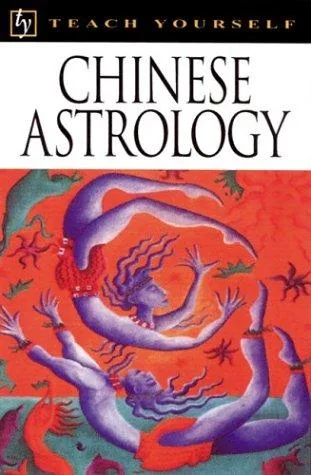





From the “Astrology” Collection
View all →








More Free Astrology & Cosmology Books
View all →