Hepatoscopy and Astrology in Babylonia and Assyria

 81
81

Hepatoscopy and Astrology in Babylonia and Assyria


Review by Alaric Kestrel (Metaphysical Studies Reviewer) — Morris Jastrow's 'Hepatoscopy and Astrology in Babylonia and Assyria' is a treasure trove of esoteric insights. The author's deep dive into the divinatory practices of ancient Mesopotamia is both scholarly and spiritually enriching. Jastrow's work shines a light on the hidden knowledge that guided the lives of ancient peoples, making it an invaluable resource for anyone interested in the mystical traditions of the past. The book's strength lies in its ability to bridge the gap between historical research and spiritual practice, offering readers a unique perspective on the cosmos.
📝 Description
81
Morris Jastrow's 1914 book examines Babylonian and Assyrian divination through animal sacrifice and celestial observation.
Morris Jastrow's study dissects the ancient Mesopotamian practices of hepatoscopy and astrology. The book details how priests interpreted the entrails of sacrificed animals, particularly sheep, for omens. Simultaneously, it analyzes the Babylonian and Assyrian systems of celestial divination, where the movements of stars and planets were believed to reveal divine will and predict future events.
Jastrow's work reconstructs the complex symbolism and ritualistic frameworks that connected the earthly and cosmic realms for these ancient cultures. He shows how these divination methods were not mere superstition but integral components of religious and political life, used to understand divine favor and guide state decisions. The book illuminates a worldview where the natural world was a direct medium for divine communication.
This book sits within the study of ancient divinatory traditions, a significant current in esoteric scholarship. It examines systems where direct communication with the divine was sought through meticulous observation of natural phenomena, both terrestrial and celestial. Unlike purely historical accounts, Jastrow's work highlights the worldview that underpinned these practices, revealing a deep engagement with symbolism and omen interpretation as central to understanding cosmic order and human destiny within Mesopotamian societies.
✍️ Author
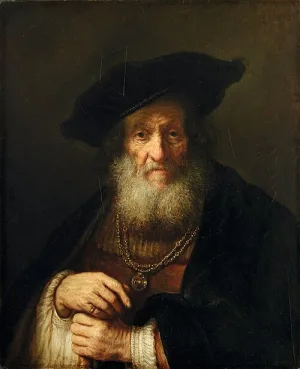
Morris Jastrow
Boaz (; Hebrew: בֹּעַז Bōʿaz; Hebrew pronunciation: [ˈboʕaz]) is a biblical figure appearing in the Book of Ruth in the Hebrew Bible and in the genealogies of Jesus in the New Testament and also the name of a pillar in the portico of the historic Temple in …
💡 Why Read This Book?
Read 'Hepatoscopy and Astrology in Babylonia and Assyria' to uncover the mystical roots of astrology and divination. This book is ideal for seekers of hidden knowledge, scholars of ancient cultures, and practitioners of esoteric arts. It provides a rich understanding of the symbolism and rituals that shaped the beliefs of ancient civilizations, offering profound insights into the mystical underpinnings of our world.
⭐ Reader Reviews
Honest opinions from readers who have explored this book.
❓ Frequently Asked Questions
What is hepatoscopy?
Hepatoscopy is the ancient practice of divination by examining the entrails, particularly the liver, of sacrificial animals. It was used to foretell the will of the gods and guide important decisions.
How does this book relate to modern astrology?
This book explores the ancient roots of astrology, revealing how Babylonian and Assyrian cultures used celestial observations and hepatoscopy to predict future events and understand divine will.
Who would benefit from reading this book?
Seekers of esoteric wisdom, scholars of ancient religions, and practitioners of astrology will find this book particularly enlightening and spiritually enriching.
What kind of historical insights does this book offer?
The book provides a deep dive into the divinatory practices and mystical beliefs of ancient Mesopotamia, offering a unique perspective on the interplay between the earthly and divine realms.
Is this book suitable for beginners in esoteric studies?
While it is accessible to beginners, those with some background in ancient religions and esoteric practices will find the content particularly engaging and enlightening.
🔮 Key Themes & Symbolism
Divination and the Divine
The book studies the ancient practice of hepatoscopy, where the examination of sacrificial animal entrails was used to divine the will of the gods. This theme explores the mystical connection between the earthly and divine realms, revealing how ancient peoples sought guidance from the cosmos.
Celestial Symbolism
Jastrow's work uncovers the detailed symbolism embedded in Babylonian and Assyrian astrology, where the movements of celestial bodies were interpreted to understand divine intentions and predict future events. This theme highlights the profound mystical significance of celestial observations.
Ancient Wisdom and Modern Relevance
The book bridges the gap between ancient mystical practices and modern esoteric studies, offering readers a unique perspective on the enduring relevance of ancient wisdom. This theme explores how the divinatory practices of ancient Mesopotamia continue to influence contemporary spiritual seekers and practitioners.
💡 Key Ideas
Editorial paraphrase of the work's core concepts — not direct quotes.
The liver of the sacrificial animal revealed the will of the gods.
This quote underscores the mystical significance of hepatoscopy in ancient divination practices.
The heavens and the earth were intertwined in a complex web of symbolism.
This passage highlights the deep connection between celestial observations and earthly rituals in ancient Mesopotamian culture.
Divination was the key to understanding the divine will.
This quote emphasizes the importance of divinatory practices in guiding the lives of ancient peoples.
The movements of celestial bodies held profound mystical significance.
This passage reveals the deep spiritual meaning embedded in the study of astrology in ancient Mesopotamia.
Ancient wisdom continues to influence modern spiritual seekers.
This quote underscores the enduring relevance of ancient mystical practices in contemporary esoteric studies.
🌙 Esoteric Significance
Tradition
This book belongs to the Hermetic tradition, which seeks to uncover the hidden knowledge of the ancient world. It explores the mystical underpinnings of Babylonian and Assyrian cultures, revealing the deep spiritual significance of their divinatory practices.
Symbolism
Key symbols in this book include the liver of sacrificial animals and the movements of celestial bodies, both of which were used to divine the will of the gods. These symbols highlight the interconnectedness of the earthly and divine realms in ancient Mesopotamian culture.
Modern Relevance
This book remains relevant today for modern practitioners of astrology and esoteric arts. It provides a rich understanding of the ancient roots of these practices, offering insights into the enduring relevance of ancient wisdom in contemporary spiritual seekers.
👥 Who Should Read This Book
Beginners in esoteric studies will find this book an accessible introduction to ancient divinatory practices. Scholars of ancient religions will appreciate the depth of research and historical insights. Spiritual seekers will be inspired by the mystical underpinnings of Babylonian and Assyrian cultures. Practitioners of astrology will gain a deeper understanding of the ancient roots of their craft.
📜 Historical Context
Written in the early 20th century, 'Hepatoscopy and Astrology in Babylonia and Assyria' by Morris Jastrow was a groundbreaking work that shed light on the divinatory practices of ancient Mesopotamia. During this era, scholars were beginning to uncover the rich mystical traditions of the past, and Jastrow's research provided a deep dive into the esoteric beliefs and rituals of Babylonian and Assyrian cultures. The book's influence can still be seen in modern studies of ancient religions and esoteric practices, making it a timeless resource for seekers of hidden knowledge.
📔 Journal Prompts
How do the divinatory practices of ancient Mesopotamia influence your understanding of modern esoteric arts?
In what ways do celestial observations hold mystical significance in your spiritual journey?
Reflect on the interconnectedness of the earthly and divine realms in ancient cultures.
How does the symbolism of hepatoscopy resonate with your spiritual beliefs?
Consider the enduring relevance of ancient wisdom in contemporary spiritual practices.
🗂️ Glossary
Hepatoscopy
The ancient practice of divination by examining the entrails, particularly the liver, of sacrificial animals.
Divination
The art of seeking knowledge of the future or the unknown through supernatural means.
Astrology
The study of the movements and relative positions of celestial bodies and their supposed influence on human affairs and the natural world.
Ancient Mesopotamia
The historical region in the Middle East corresponding to modern-day Iraq, where civilizations like the Babylonians and Assyrians flourished.
Mystical Traditions
The esoteric beliefs and practices that seek to uncover hidden knowledge and spiritual truths.
This book appears in 1 collection
🔮 Readers Also Liked
Browse all →







From the “Astrology” Collection
View all →
![[Elements. English. Selections] Elements of geometry; containing the first six books of Euclid, with two books on the geometry of solids. To which are added, elements of plane and sperical trigonometry. By John Playfair. 1795](/img/thumb/elements-english-selections-elements-of-geometry-containing-the-first-six-books-of-euclid-with-two-books-on-the-geometry-of-solids-to-which-are-added-elements-of-plane-and-sperical-trigonometry-by-joh.webp)






More Free Astrology & Cosmology Books
View all →