Feng Shui Handbook
 61
61

Feng Shui Handbook



Evander Ashcroft (Alchemy & Hermeticism Editor) — Derek Walter’s 'Feng Shui Handbook' stands as a beacon for those seeking to unlock the profound, often hidden, energetic architecture of their surroundings. It transcends mere interior design, offering a deep dive into geomantic principles and the flow of vital Qi. Walter's exposition is both scholarly and accessible, illuminating the symbolic resonance within spatial arrangements. This work is indispensable for practitioners who wish to move beyond superficial remedies and engage with the foundational esoteric truths of Feng Shui. It is a treasure for anyone aspiring to cultivate a more harmonious and energetically supportive life.
📝 Description
61
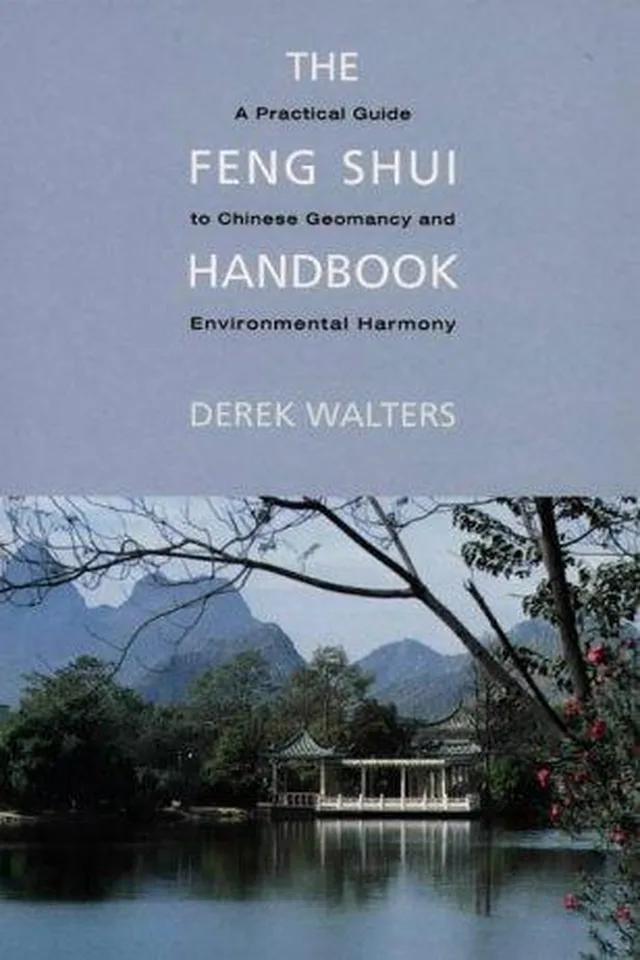
Derek Walter's 'Feng Shui Handbook' explains Qi's influence on human environments.
Published by Derek Walter, the 'Feng Shui Handbook' addresses the principles of harmonizing living spaces with natural energies. The book details how the flow of Qi, or vital energy, affects prosperity, health, and spiritual development. It explains the symbolic meanings found in the arrangement of homes and workplaces, drawing from geomancy and the interaction of earth and heaven forces. Walter presents methods for analyzing the energetic qualities of a location, aiming to convert everyday settings into places of balance and plenty. The work combines practical techniques with deeper philosophical ideas about conscious living and spiritual enrichment.
This handbook connects to the broader tradition of Chinese metaphysics, specifically Feng Shui, which seeks to align human habitation with cosmic and terrestrial forces. It draws upon concepts like Yin and Yang, the Five Elements, and the Eight Trigrams, which are fundamental to understanding the energetic interactions within an environment. The text aims to translate these complex theories into actionable advice for practitioners interested in cultivating harmony and well-being through the careful arrangement of their surroundings.
💡 Why Read This Book?
Uncover the hidden energetic blueprint of your environment. This handbook offers a profound understanding of Qi, Earth's subtle energies, and their impact on your life. Ideal for seekers of harmony, practitioners aiming for deeper insights, and scholars exploring ancient wisdom traditions, it provides practical tools to transform spaces and foster prosperity and well-being. Read free online and begin your journey.
⭐ Reader Reviews
Honest opinions from readers who have explored this book.
❓ Frequently Asked Questions
What is the core philosophy of Feng Shui presented in this handbook?
The handbook emphasizes the ancient Chinese philosophy of harmonizing human existence with the natural world by understanding and manipulating the flow of vital energy, known as Qi. It posits that environments can directly influence health, prosperity, and spiritual well-being.
How does this book differ from typical interior design guides?
Unlike standard design guides, this book delves into the esoteric and metaphysical dimensions of space, exploring symbolic meanings, energetic patterns, and the influence of celestial and terrestrial forces, rather than purely aesthetic considerations.
Is Feng Shui presented as a superstition or a practical art?
Walter presents Feng Shui as a sophisticated, practical art rooted in millennia of observation and understanding of natural laws and energetic principles. It's framed as a science of environment and human interaction.
Who is the intended audience for this 'Feng Shui Handbook'?
This handbook is crafted for a diverse audience, including dedicated practitioners of Feng Shui, students of esoteric traditions, spiritual seekers, and anyone interested in creating more balanced, prosperous, and harmonious living or working spaces.
Can I apply the principles from this book to any type of dwelling?
Absolutely. The principles are universally applicable, whether you are working with a spacious home, a modest apartment, an office, or even a garden. The handbook provides frameworks for understanding and adjusting energetic flows in any space.
🔮 Key Themes & Symbolism
The Unseen Currents of Qi
This theme explores the fundamental concept of Qi, the vital life force that permeates all existence. The handbook elucidates how Qi flows through our environments, influencing our physical, mental, and spiritual states. It studies methods of identifying beneficial and detrimental Qi, understanding its characteristics, and learning to harness its positive currents for enhanced well-being, prosperity, and overall life harmony. This is the foundational esoteric principle upon which all Feng Shui practices are built.
Geomantic Symbolism and Landscape
The book unveils the profound symbolic language inherent in the natural landscape and its relationship with human dwellings. It examines how geographical features—mountains, water, and landforms—act as potent energetic conduits and archetypal symbols. Understanding this geomantic symbolism allows practitioners to perceive the energetic 'bones' of a location and how these manifest in architectural design, site selection, and the placement of elements within a space, revealing a deeper, almost alchemical connection between humanity and Earth.
The Five Elements and Their Interplay
Central to the handbook is the dynamic interplay of the Five Elements: Wood, Fire, Earth, Metal, and Water. These elements are not merely physical substances but represent energetic qualities and transformations. The book details their cyclical relationships—the creative and destructive cycles—and how their balance or imbalance within a space directly impacts the human experience. Mastering this elemental alchemy is crucial for creating environments that foster growth, stability, and dynamic equilibrium.
💬 Memorable Quotes
Direct passages from the work, attributed to the author.
“The landscape whispers secrets to those who listen.”
— This suggests that the natural world communicates profound energetic truths, and by attuning ourselves to geomantic principles, we can decipher these hidden messages.
“Harmony begins not with adornment, but with alignment.”
— This emphasizes the core principle of Feng Shui: true balance and well-being stem from aligning spaces with natural energetic flows, rather than superficial decoration.
“Where Qi stagnates, so too does fortune.”
— This poignant statement underscores the critical importance of maintaining a vibrant and unobstructed flow of Qi for sustained prosperity and vitality.
💡 Key Ideas
Editorial paraphrase of the work's core concepts — not direct quotes.
Space is not empty, but alive with unseen currents.
This quote highlights the esoteric belief that environments possess an inherent energetic field, a dynamic flow of Qi that influences inhabitants.
The home is an extension of the self, and the self, a reflection of the cosmos.
This quote speaks to the profound interconnectedness between our personal spaces, our inner states, and the universal energetic matrix.
🌙 Esoteric Significance
Tradition
This work is deeply rooted in the esoteric traditions of Taoism and ancient Chinese metaphysics, specifically within the area of geomancy. It represents a sophisticated system of understanding and interacting with the subtle energies of the Earth and Heaven, aiming to achieve cosmic harmony and human well-being through the conscious arrangement of space. It is a practical manifestation of the Taoist pursuit of living in accordance with the natural Way.
Symbolism
The symbolism in Feng Shui is profound and multi-layered. Key symbols include the Bagua (eight trigrams representing life areas), the Yin-Yang symbol (duality and balance), and the Five Elements, each with its own set of correspondences and energetic qualities. The book explores how these symbols are embedded in natural forms, architectural design, and the placement of objects, acting as energetic anchors and indicators of the vital forces at play within a given space.
Modern Relevance
In an era often characterized by disconnection from nature and increasing urban density, the principles of Feng Shui offer a vital path back to energetic balance and well-being. The handbook provides practical, actionable insights for individuals seeking to create supportive and nurturing environments amidst the complexities of modern life, fostering personal growth, enhancing productivity, and cultivating a deeper sense of peace and prosperity.
👥 Who Should Read This Book
This 'Feng Shui Handbook' is a rich source for a broad spectrum of individuals. For the absolute beginner, it offers a clear and accessible introduction to the fundamental concepts of Qi and spatial harmony. Seasoned practitioners will find useful insights and advanced techniques to deepen their understanding and refine their practice. Scholars of esoteric traditions will appreciate the historical context and philosophical depth. Spiritual seekers looking to create more supportive and energetically resonant living spaces will discover practical tools for transformation. Ultimately, anyone yearning to live in greater alignment with the subtle energies of their environment will find immense value within its pages.
📜 Historical Context
The 'Feng Shui Handbook' emerges from a body of ancient Chinese philosophical and cosmological thought, dating back thousands of years. Its roots lie in the Taoist understanding of the universe, the Yin and Yang duality, and the Five Element theory, all of which sought to explain the interconnectedness of all things. Feng Shui, or 'wind-water,' developed as a practical application of these metaphysical principles, initially used for selecting auspicious burial sites and later for orienting dwellings and cities to maximize beneficial energy (Qi) and minimize harmful influences. This handbook draws upon this venerable tradition, translating ancient geomantic wisdom into a form accessible to modern seekers, bridging the gap between historical esoteric practices and contemporary life.
📔 Journal Prompts
Reflect on the primary Qi flow in your main living area. How does it feel, and what adjustments could enhance it?
Identify a prominent symbolic element in your home (e.g., a mirror, a plant, a color). What energetic messages might it convey?
Consider the balance of the Five Elements in your workspace. Where might one element be dominant or lacking, and what are the potential implications?
How does the external landscape surrounding your dwelling influence its internal energetic atmosphere?
In what ways do you feel your current environment supports or hinders your personal goals and well-being?
🗂️ Glossary
Qi (Chi)
The vital life force or energy that flows through all living things and the environment. It is the fundamental principle of Feng Shui, influencing health, prosperity, and overall well-being.
Geomancy
The ancient practice of interpreting the Earth's energetic patterns and landscape features to understand their influence on human life and to select auspicious sites for buildings or other constructions.
Bagua
An octagonal or square map used in Feng Shui, divided into nine sections, each corresponding to a specific life area (e.g., wealth, health, relationships) and associated with specific colors, elements, and symbols.
Five Elements
The foundational energetic principles of Wood, Fire, Earth, Metal, and Water, which describe the cycles of creation and destruction and are used to analyze and balance the energy within a space.
Shui
Meaning 'water' in Chinese, it represents the flow, circulation, and movement of Qi. Water is considered a powerful symbol of wealth and prosperity in Feng Shui.
This book appears in 3 collections
🔮 Readers Also Liked
Browse all →









From the “Geomancy” Collection
View all →








More Free Divination & Tarot Books
View all →