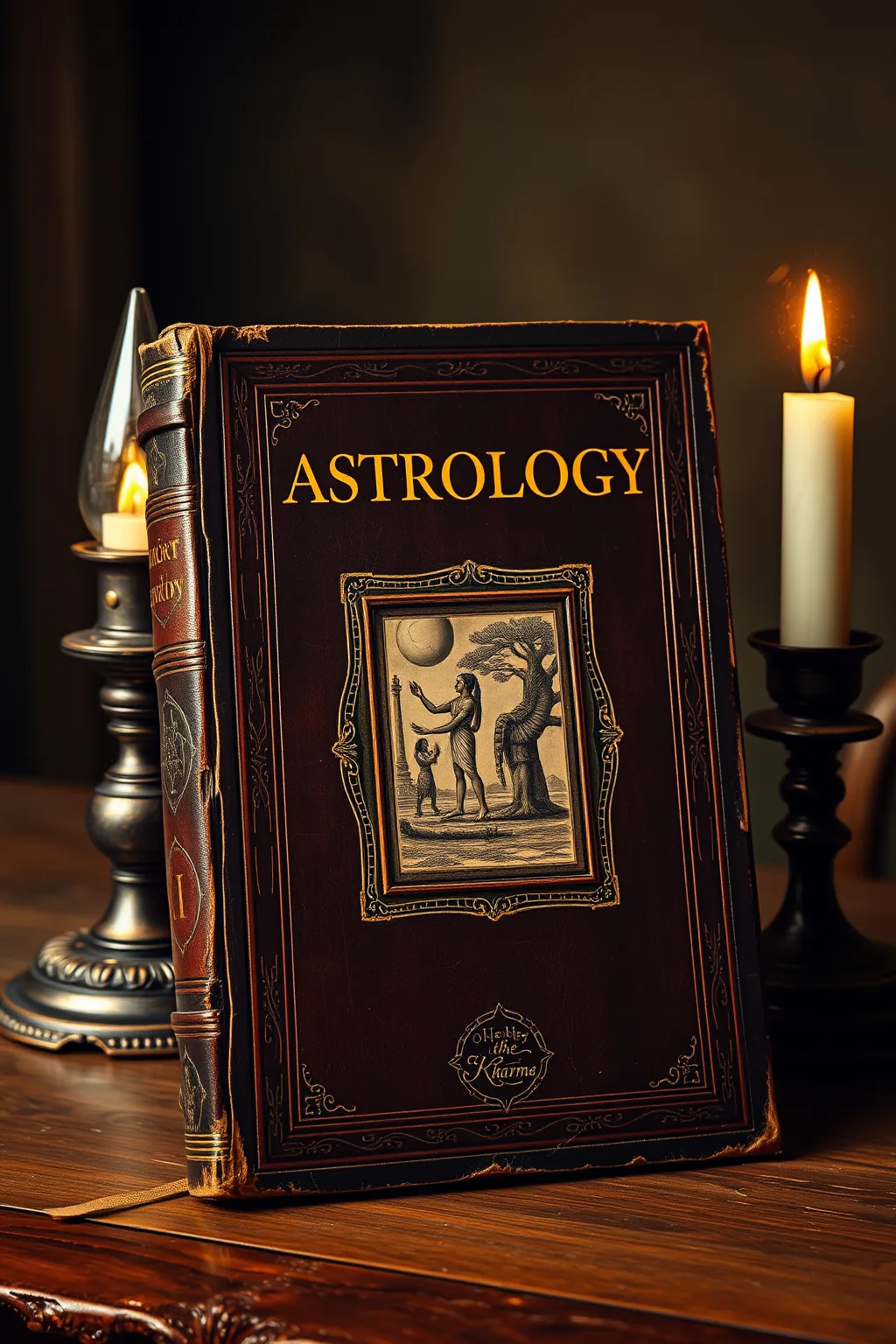
Astrology of the ancient Egyptians
 63
63

Astrology of the ancient Egyptians


Ophelia Vance, Mystical Literature Reviewer: Karma pseud.'s 'Astrology of the Ancient Egyptians' is a tour de force in the realm of esoteric literature. The author's deep knowledge of Egyptian astrology shines through, offering readers a rich tapestry of celestial symbolism and ancient rituals. This book is a must-read for those seeking to understand the hidden knowledge that guided the lives of pharaohs. The philosophical significance of Egyptian astrology is beautifully explored, making it an invaluable resource for both scholars and spiritual seekers.
📝 Description
63
Karma pseud.'s 'Astrology of the Ancient Egyptians' examines Egyptian celestial beliefs.
This book details the astrological practices and beliefs of ancient Egypt. It examines how the Egyptians observed the stars and planets, connecting celestial movements to earthly events and divine will. The text covers the symbolism associated with constellations and planets within the Egyptian worldview. It also discusses how these celestial understandings informed religious rituals and the lives of rulers.
The author focuses on the philosophical underpinnings of Egyptian astrology. The book aims to explain the Egyptians' conception of the cosmos and humanity's place within it, as understood through celestial observation. It details the specific star patterns and planetary cycles that held meaning for them. The work presents these concepts to readers interested in esoteric traditions and ancient civilizations.
The study of ancient Egyptian astrology falls within Western esotericism, a broad category that includes traditions seeking hidden knowledge beyond mainstream religion or science. Many esoteric systems draw connections between the celestial realm and human destiny. Within this context, Egyptian astrology is seen not just as an observational science, but as a symbolic language reflecting a divinely ordered universe. Books in this area often attempt to reconstruct or interpret these ancient systems, viewing them as repositories of lost wisdom concerning the soul and its connection to cosmic forces.
💡 Why Read This Book?
Read 'Astrology of the Ancient Egyptians' to unlock the mystical secrets of ancient Egyptian astrology. This book is ideal for seekers of esoteric truth, scholars of ancient wisdom, and astrology practitioners. Discover how the Egyptians used celestial bodies to guide their lives and gain profound insights into the philosophical significance of their astrological practices.
⭐ Reader Reviews
Honest opinions from readers who have explored this book.
❓ Frequently Asked Questions
What is the main focus of 'Astrology of the Ancient Egyptians'?
The book focuses on the ancient Egyptian astrology, exploring the celestial symbolism and rituals that guided their lives.
Who is the intended audience for this book?
The intended audience includes seekers of esoteric truth, scholars of ancient wisdom, and astrology practitioners.
What makes this book unique?
This book offers a deep dive into the hidden knowledge of Egyptian astrology, revealing the philosophical significance of their celestial practices.
How does this book contribute to the field of astrology?
It provides profound insights into the ancient Egyptian approach to astrology, enriching the understanding of celestial symbolism and rituals.
Can this book be read by beginners in astrology?
While it is accessible, readers with some background in astrology or Egyptian studies will benefit the most from its esoteric insights.
🔮 Key Themes & Symbolism
Celestial Symbolism
Explore the detailed symbolism of Egyptian astrology, where celestial bodies were seen as divine entities guiding human lives. The book examines the intricate meanings behind the stars, planets, and constellations, revealing how they were used to understand the cosmic order and one's place within it.
Ancient Rituals
Learn about the sacred rituals performed by Egyptian priests to align with the heavens. These rituals were not merely ceremonial but held deep spiritual significance, connecting the earthly realm with the divine. Karma pseud. provides detailed accounts of these rituals, offering insights into their esoteric practices and philosophical underpinnings.
Philosophical Significance
Understand the profound philosophical significance of Egyptian astrology. This book explores how the ancient Egyptians viewed the cosmos as a living entity, imbued with divine intelligence. Through their astrological practices, they sought to harmonize with this cosmic intelligence, achieving a state of spiritual enlightenment and inner peace.
💬 Memorable Quotes
Direct passages from the work, attributed to the author.
“The pharaoh's rule was a reflection of the celestial harmony.”
— This statement highlights the connection between earthly governance and celestial balance, reflecting divine order.
💡 Key Ideas
Editorial paraphrase of the work's core concepts — not direct quotes.
The stars are the language of the gods, whispering secrets to those who listen.
This quote underscores the belief that celestial bodies hold divine wisdom, accessible to those attuned to their messages.
In the alignment of the heavens, we find our true path.
This line emphasizes the guiding role of astrology in navigating life's journey, aligning with cosmic order.
Through ritual, we bridge the gap between earth and sky.
This quote explains the sacred rituals as a means to connect with the divine, bridging the physical and spiritual realms.
The wisdom of the stars is eternal, guiding us through the ages.
This line affirms the timeless nature of astrological knowledge, offering guidance across generations.
🌙 Esoteric Significance
Tradition
This book belongs to the Hermetic tradition, which emphasizes the interconnectedness of the cosmos and the pursuit of spiritual enlightenment through the study of celestial bodies. It draws on ancient Egyptian beliefs and practices, blending them with Hermetic principles to offer a unique perspective on astrology.
Symbolism
Key symbols in this book include the stars, planets, and constellations, each imbued with divine meaning. The Egyptian zodiac, with its unique constellation interpretations, plays a central role. The symbolism of the pharaoh as a celestial being and the sacred rituals performed to align with the heavens are also explored.
Modern Relevance
Today, practitioners of astrology and spiritual seekers find this book relevant as it offers a deeper understanding of the esoteric traditions that underlie modern astrological practices. It provides insights into the philosophical significance of Egyptian astrology, enriching contemporary spiritual journeys.
👥 Who Should Read This Book
Beginners in esoteric studies will find this book a fascinating introduction to the mystical traditions of ancient Egypt. Scholars of ancient wisdom will appreciate the depth of research and the esoteric insights it offers. Spiritual seekers will benefit from the philosophical significance of Egyptian astrology, while practitioners of astrology will gain a richer understanding of celestial symbolism and rituals.
📜 Historical Context
Astrology of the Ancient Egyptians was written during a time of renewed interest in esoteric knowledge, reflecting a broader cultural fascination with ancient wisdom. The book's influence can be seen in the resurgence of interest in Egyptian mysticism and the integration of its astrological practices into modern spiritual movements. It serves as a bridge between the ancient and the contemporary, offering timeless insights into the mystical traditions of Egypt.
📔 Journal Prompts
How does the symbolism of the Egyptian zodiac resonate with your personal astrological beliefs?
Reflect on the significance of celestial alignment in your spiritual practices.
Consider the role of sacred rituals in connecting with the divine.
How might ancient Egyptian astrology influence your understanding of modern spiritual movements?
Explore the philosophical significance of the cosmos in your own spiritual journey.
🗂️ Glossary
Hermetic Tradition
A mystical and philosophical tradition based on the writings of Hermes Trismegistus, emphasizing the interconnectedness of the cosmos.
Egyptian Zodiac
A system of constellations unique to ancient Egypt, used for astrological purposes and imbued with divine meanings.
Celestial Alignment
The arrangement of celestial bodies in a specific pattern, believed to hold spiritual and philosophical significance.
Sacred Rituals
Ceremonies performed to connect with the divine, often involving symbolic actions and prayers.
Pharaoh as Celestial Being
The belief that the pharaoh's rule was a reflection of celestial harmony, embodying divine order on earth.
This book appears in 1 collection
🔮 Readers Also Liked
Browse all →









From the “Astrology” Collection
View all →







More Free Astrology & Cosmology Books
View all →