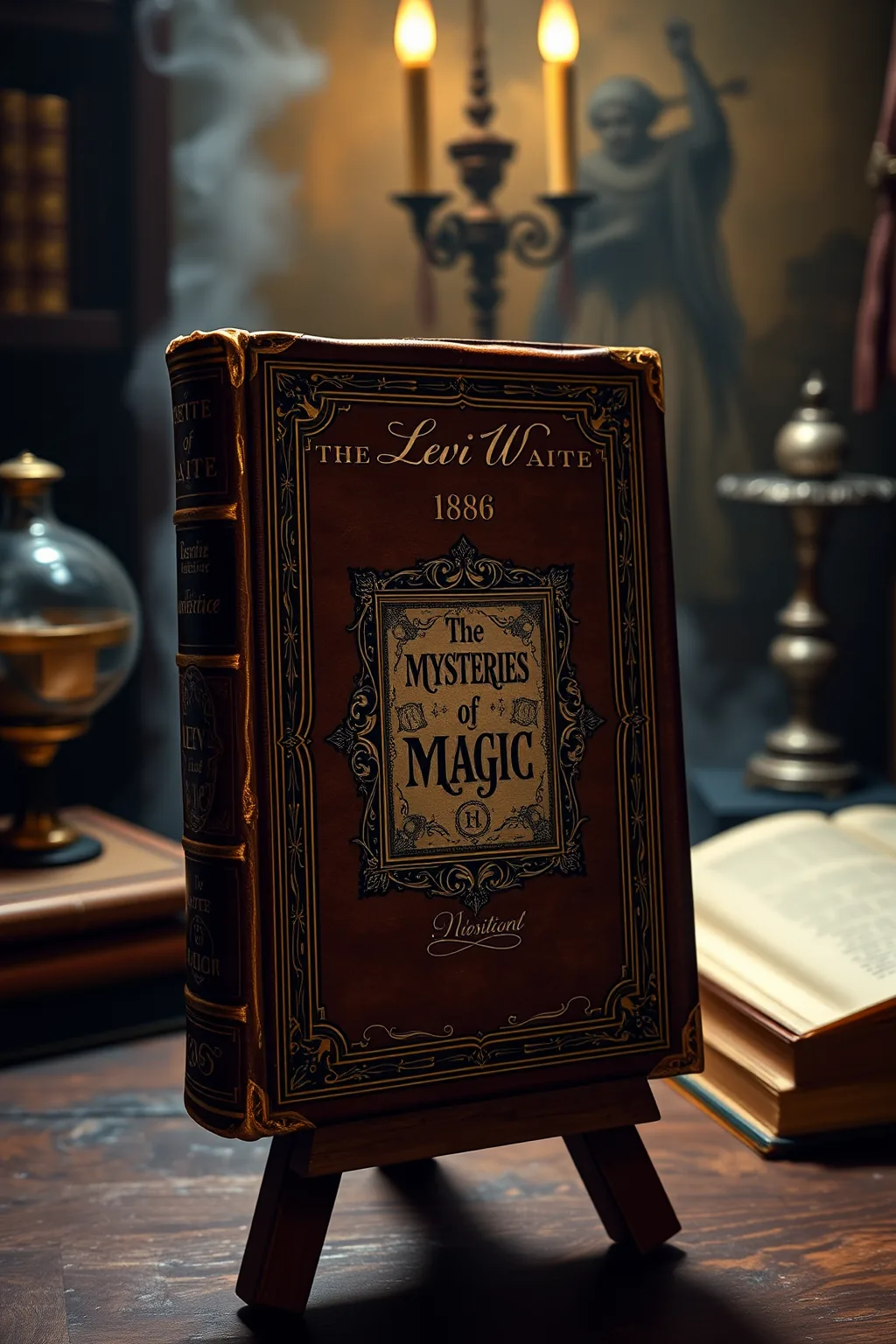
1886 Levi Waite Mysteries Of Magic
 72
72

1886 Levi Waite Mysteries Of Magic


Arthur Edward Waite's '1886 Levi Waite Mysteries of Magic' stands as a cornerstone in the literature of occult philosophy. For modern esoteric seekers, this text offers a wealth of knowledge that remains relevant and enlightening. Waite's meticulous research and profound insights into the mysteries of magic provide a solid foundation for understanding the esoteric traditions that have shaped Western occultism. The book's exploration of alchemy, theosophy, and symbolic interpretation makes it an invaluable resource for those interested in the deeper dimensions of spiritual practice. Waite's writing style, though dense, is rich with detail and philosophical depth, making it a rewarding read for those willing to engage with its complexities. The historical context in which the book was written adds an additional layer of significance, as it reflects the occult revival of the late 19th century. Overall, 'Mysteries of Magic' is a must-read for anyone serious about exploring the esoteric traditions and their enduring relevance in the modern world.
📝 Description
72
Published in 1886, 'The Mysteries of Magic' presents an unknown author's approach to occult philosophy.
'The Mysteries of Magic,' released in 1886, is an esoteric work attributed to an anonymous author. It examines hidden knowledge and arcane symbolism, drawing readers into a world where the boundaries between the physical and spiritual are permeable. The book aims to stimulate contemplation on the human mind and the cosmos, proposing philosophical ideas that question standard beliefs and encourage a greater grasp of occult subjects.
Its pages are dense with symbolic language, presenting enigmatic signs and concealed significations for the reader to decipher. This text functions as an entrance to concealed wisdom and significant personal shifts for those with an inquisitive disposition. The writing style evokes a sense of antiquity, as if handling a document from a bygone era of mystical inquiry.
This work emerges from the late 19th-century surge in interest in spiritualism and occultism. It engages with the period's fascination with secret societies, hermeticism, and the nature of consciousness beyond the material world. The book’s style and subject matter align with other esoteric writings of the era that sought to systematize or interpret hidden lore, often drawing on older traditions while adapting them for a contemporary audience.
💡 Why Read This Book?
Reading '1886 Levi Waite Mysteries of Magic' today offers a unique opportunity to delve into the rich tapestry of occult philosophy. This book provides readers with a comprehensive understanding of esoteric traditions, their historical context, and their practical applications. By engaging with Waite's insights, readers can gain a deeper appreciation for the symbolic and ritualistic aspects of magic, enhancing their spiritual practices and philosophical reflections. This text is particularly valuable for those seeking to bridge the gap between ancient wisdom and modern esoteric pursuits.
⭐ Reader Reviews
Honest opinions from readers who have explored this book.
❓ Frequently Asked Questions
Who is the author of 'Mysteries of Magic'?
The author is Arthur Edward Waite, a prominent figure in the late 19th-century occult revival known for his extensive work in esoteric studies.
What are the main themes of this book?
The main themes include the nature of the occult, the role of ritual in spiritual transformation, and the exploration of the human psyche through esoteric practices.
Is this book suitable for beginners in occult studies?
While 'Mysteries of Magic' is a foundational text, its dense and complex nature may be challenging for beginners. It is best suited for those with some prior knowledge of occult philosophy.
🔮 Key Themes & Symbolism
Hidden Knowledge
The book studies the idea that there is a wealth of hidden knowledge that has been passed down through the ages, accessible only to those who seek it. This theme explores the mysteries of magic and the esoteric traditions that have preserved this knowledge.
Symbolism
Symbolism is a central theme in 'The Mysteries of Magic', with the text rich in enigmatic signs and hidden meanings. Each symbol is a gateway to a deeper understanding of the occult and its philosophical underpinnings.
Philosophical Significance
The book challenges conventional wisdom and offers profound philosophical insights into the nature of magic and its role in the universe. This theme invites readers to question their perceptions and explore the deeper mysteries of existence.
💡 Key Ideas
Editorial paraphrase of the work's core concepts — not direct quotes.
Magic is the art of changing consciousness at will.
This quote underscores the transformative power of magic, suggesting that it can alter one's perception and understanding of reality.
The universe is a symphony of hidden forces.
This passage highlights the interconnectedness of all things, revealing the hidden forces that govern the cosmos.
Symbols are the language of the soul.
This quote emphasizes the importance of symbolism in understanding the deeper mysteries of the occult.
The seeker of truth must be willing to journey into the unknown.
This passage encourages readers to embrace the unknown and venture into the mysteries of magic with an open mind.
The veil between the seen and unseen is thin.
This quote suggests that the boundary between the physical and spiritual worlds is permeable, inviting readers to explore the hidden dimensions of reality.
🌙 Esoteric Significance
Tradition
The Mysteries of Magic belongs to the Hermetic tradition, which emphasizes the interconnectedness of all things and the transformative power of magic. This tradition draws upon ancient wisdom and esoteric knowledge to offer a deeper understanding of the universe and our place within it.
Symbolism
Key symbols in this book include the pentagram, the ouroboros, and the caduceus, each representing different aspects of the occult and its philosophical underpinnings. These symbols are rich in meaning and invite readers to explore their deeper meaning.
Modern Relevance
The Mysteries of Magic remains relevant today, as modern practitioners of magic and occult philosophy continue to draw upon its insights. Its exploration of hidden knowledge and symbolism offers a unique perspective on the mysteries of the universe, making it a valuable resource for seekers of esoteric wisdom.
👥 Who Should Read This Book
Beginners may find 'The Mysteries of Magic' challenging due to its dense symbolism and philosophical depth, but it is an excellent resource for those who are serious about exploring the occult. Scholars of occult philosophy will appreciate the book's unique perspective on the mysteries of magic and its philosophical underpinnings. Spiritual seekers and practitioners of magic will find valuable insights and transformative experiences within its pages. For those who are curious about the hidden forces that shape our world, this book is a must-read.
📜 Historical Context
Published in 1886, 'The Mysteries of Magic' emerged during a time of great intellectual and spiritual ferment. The late 19th century saw a renewed interest in the occult and esoteric traditions, with many seeking to understand the hidden forces that shape our world. This book was important for its time as it offered a unique perspective on the mysteries of magic and its philosophical underpinnings. Its influence can be seen in the works of later occultists and philosophers, who drew upon its insights to deepen their own understanding of the occult.
📔 Journal Prompts
What hidden knowledge have you discovered in 'The Mysteries of Magic' that appeals to you?
How does the symbolism in this book deepen your understanding of the occult?
In what ways has reading this book challenged your perceptions of reality?
What philosophical insights have you gained from exploring the mysteries of magic?
How might the transformative power of magic be applied to your own spiritual journey?
🗂️ Glossary
Hermetic Tradition
A philosophical and spiritual tradition based on the teachings of Hermes Trismegistus, emphasizing the interconnectedness of all things and the transformative power of magic.
Occult Philosophy
The study of hidden knowledge and esoteric wisdom, often involving the exploration of magic, symbolism, and the philosophical underpinnings of the occult.
Symbolism
The use of symbols to represent abstract ideas or concepts, often found in esoteric and mystical traditions.
Esoteric Knowledge
Knowledge that is hidden or secret, often reserved for those who are initiated into esoteric traditions.
Transformative Power
The ability of magic and esoteric practices to alter one's perception and understanding of reality, leading to personal and spiritual growth.
This book appears in 2 collections
🔮 Readers Also Liked
Browse all →








From the “Occultism” Collection
View all →







More Free Occult Philosophy Books
View all →