Taurus
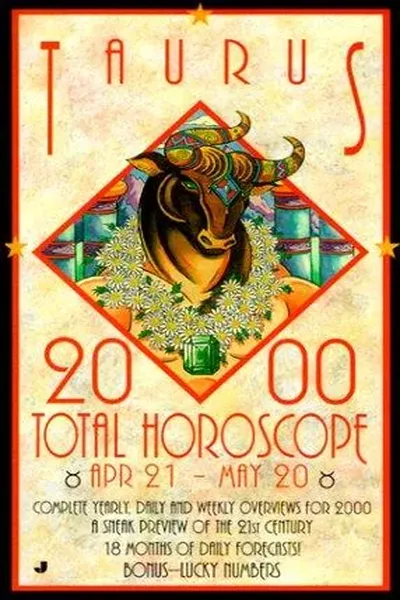
Taurus is the second astrological sign of the zodiac, represented by a bull. Historically, it symbolizes strength, fertility, and the generative power of the cosmos, often associated with divine or primal creative forces in ancient mythologies and esoteric traditions. It marks a period of grounding and material manifestation.
Where the word comes from
The name "Taurus" derives from the Latin word for "bull." Its astronomical roots lie in ancient Mesopotamian and Greek observations of the constellation. The bull motif, signifying power and virility, appears in numerous ancient cultures, predating the formalization of the zodiac as a concept, and is recognized across many early civilizations.
In depth
A most mysterious constellation of the Zodiac, one connected with all the "First-born" solar gods. Taurus is under the asterisk A, which is its figure in the Hebrew alphabet, that of^^l/^p/i; and tlierefore that constellation is called the "One , the ' First . atter the said letter. Hence, tlie "First-born", to all of whom it was made sacred The Bull is the svmbol of force and procreative power— the Logos; hence, also, the horns on the head of Isis. the female aspect of Osiris 'and Horns. Ancient mystics saw the ansated cross, in the horns of Taurus (the upper portion of the Hebrew Alcph) pushing away thr Drao-on and Christians connected the sign and constellation with Christ. St Aun-'ustine calls it "the great City of God", and the Egyptians called it the "interpreter of tlie divine voice", the Apis-Pans of Hermonthis. (See "Zodiac".)
How different paths see it
What it means today
The bull, Taurus, stands as a monumental symbol in the grand edifice of human consciousness, a terrestrial anchor in the celestial clockwork. Blavatsky, in her encyclopedic reach, touches upon its ancient significance, linking it to the "First-born" solar deities and the very concept of primal creative force, the Logos. This isn't merely astrological fodder; it speaks to a deep-seated human intuition about the nature of manifestation. Mircea Eliade, in his seminal work on myth and reality, would recognize in the bull a potent archetype of cosmic generation and terrestrial fertility, a divine bull whose sacrifice or essence seeds the world.
The Hebrew letter Aleph, mentioned by Blavatsky, connects Taurus to the very beginning, the primordial unity from which all multiplicity flows. This resonates with the alchemical principle of prima materia, the raw, unformed substance from which the Great Work begins. The horns, pushing away the "Dragon" (often symbolizing chaos or ignorance), suggest a protective, ordering power, a force that establishes boundaries and allows for stable growth. This is the energy that builds civilizations, cultivates fields, and establishes enduring traditions.
Consider the Egyptian Apis bull, a living god, revered for its sacred power and connection to the divine voice. This reverence for the tangible, the embodied divine, is a hallmark of many ancient spiritualities. It suggests that the sacred is not solely transcendent but immanent, present in the very fabric of the material world. For the modern seeker, Taurus offers an invitation to re-engage with this immanence, to find the divine in the solidity of the earth, the beauty of a blossoming flower, or the steady rhythm of one's own heartbeat. It is a reminder that the universe is not just a cosmic dance but also a fertile ground, a place of profound and enduring creation. The grounding energy of Taurus encourages a mindful presence, an appreciation for the sensual world, and a recognition of the strength found in stability and perseverance, a necessary counterpoint to the ephemeral. It whispers that the divine is not only in the heavens but also in the very earth beneath our feet.
Related esoteric terms
Books on this concept







No reflections yet. Be the first.
Share your interpretation, experience, or question.
