Kama
Kama is a Sanskrit term encompassing desire, longing, and sensual pleasure, often seen as a fundamental human drive. In Hindu philosophy, it is one of the four aims of human life (Purusharthas), representing the pursuit of pleasure and aesthetic enjoyment within ethical boundaries. It can also signify the force of attraction and creative energy.
Where the word comes from
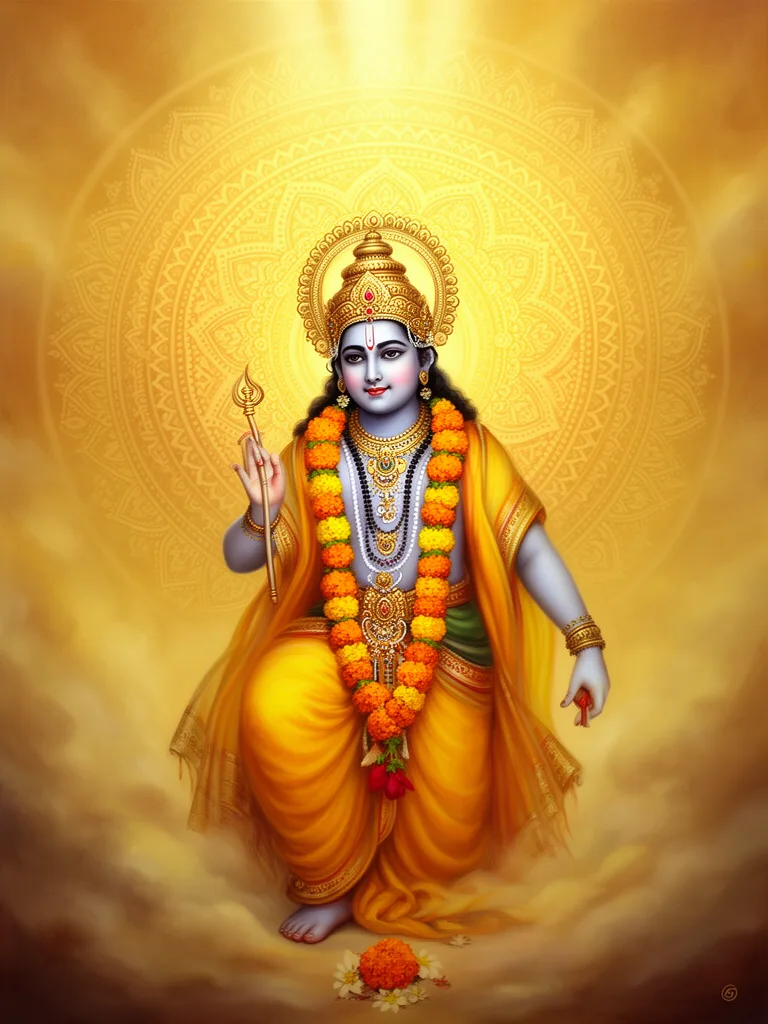
From the Sanskrit root kam, meaning "to desire," "to wish," or "to love." The term kāma first appeared in ancient Vedic texts and is central to philosophical and religious discourse in Hinduism. It denotes longing, affection, and sensual gratification, extending to the cosmic principle of desire.
In depth
Evil desire, lust, volition; the cleaving to existence. Kama is generally identified with Mara, the tempter,
How different paths see it
What it means today
The very word "Kama" conjures, for many in the West, a shadow of Blavatsky's interpretation—a base impulse, a snare of the senses. Yet, to understand Kama solely as "evil desire" is to miss the profound nuance of its place within the Hindu worldview, a perspective that acknowledges the potent, generative force of longing. Mircea Eliade, in his exploration of sacred and profane, would recognize Kama as part of the vital pulse of life, the creative impulse that drives both individual experience and cosmic unfolding. It is not merely the base urge, but the yearning for beauty, for connection, for love, for aesthetic delight. The Sanskrit tradition doesn't advocate for its suppression as much as its sublimation, its integration into a life lived in accordance with Dharma, the cosmic order. The Bhagavad Gita, for instance, speaks of acting without attachment to the fruits of action, a principle that can be applied to the management of desires. When Kama is pursued without wisdom, it becomes the "cleaving to existence" Blavatsky describes, a cycle of dissatisfaction. But when understood as a natural expression of consciousness, a vital energy that can be channeled, it becomes a source of joy and a path toward deeper understanding of the self and its relation to the world. The tantric traditions, often misunderstood, explore the transmutation of sensual energy, not its annihilation. The challenge, then, is to discern the nature of our desires, to recognize them as passing phenomena of the mind, rather than identifying with them, thereby freeing ourselves from their compulsive grip. The pursuit of Kama, when guided by wisdom, can lead to a richer, more fulfilling engagement with the world, rather than a desperate clinging to fleeting pleasures.
Related esoteric terms
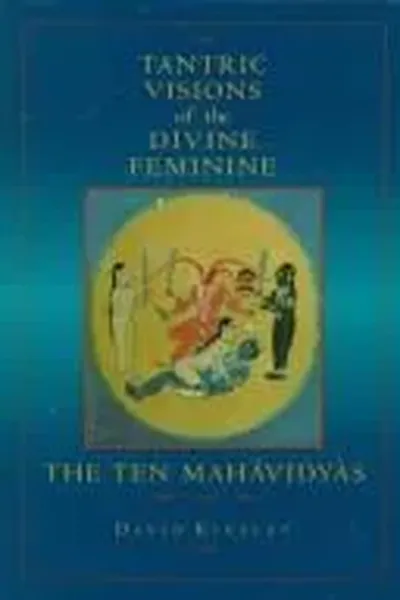
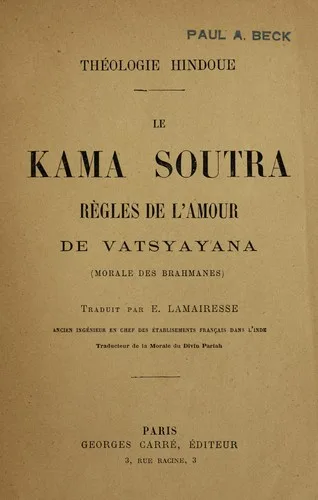
Books on this concept






No reflections yet. Be the first.
Share your interpretation, experience, or question.
